
Genocide .live

Israeli massacre in Evin Prison (Iran)
23 June, 2025On June 23, 2025, during a twelve-day Israeli assault one the deadliest strikes was the bombing of Evin Prison, which, according to Iranian authorities, claimed 79 lives, including prison staff, detainees, visitors, nearby residents, and five prison social workers.
Among the victims was Mehrangiz Imanpour, a renowned artist and painting instructor who lived near the prison. She was neither a detainee nor a visitor. On Monday, June 24, she simply left her home for a walk and some shopping. About forty minutes later, the prison was struck, and the shockwave from the explosion took her life.
Her husband, Reza Khandan Mahabadi—a respected writer and literary researcher known for his collaboration with the late Ali-Ashraf Darvishian on My Favorite Stories and the Folklore Encyclopedia of Iran—recounted the tragedy. When Mehrangiz did not return, he began searching hospitals and official institutions, as did many others, but found no clear information about the wounded or the dead. It was only the following afternoon, after visiting multiple facilities, that he located her body at the forensic center in Kahrizak.
Mehrangiz died from the force of the blast wave. Although her body was identifiable, her family had not yet received her remains for burial, as authorities requested several additional days before funeral arrangements could proceed. Khandan Mahabadi also described the damage to their home, located about 200 meters from the main entrance of Evin Prison: windows were shattered and the metal gate was warped, testifying to the intensity of the explosion.
The loss of Mehrangiz Imanpour—an artist, educator, and woman remembered for her kindness and peaceful spirit—was mourned by many, including the National Iranian American Council (NIAC), which extended condolences to her family, friends, and students. Her death stands as a painful reminder of the toll the war has taken on civilians.
In the aftermath of the strike, former French hostage Louis Arnaud, who had been detained in Evin Prison for two years, reflected on the destruction in an op-ed published in Le Monde on July 1, 2025. He described the prison as completely annihilated: its infirmary, administration, guard posts, and even its imposing entrance reduced to nothing. The first two floors of Wing 4, which housed political prisoners, were destroyed, along with the guard post and the prison library—a repository of knowledge built over decades, containing works from classical philosophy to Persian poetry. Even The Little Prince, the only French-language book and a personal source of comfort during his detention, was buried under the rubble.
Arnaud also noted that among the dead were some of the prison’s most notorious interrogators, figures associated with torture and humiliation. Yet he rejected any sense of triumph, reflecting instead on the human cost: even these individuals left behind grieving families. As he emphasized, no political prisoner had wished for their deaths—only pity, not hatred, remained.
Together, these accounts underline the human dimension of the strike on Evin Prison, where the destruction extended far beyond infrastructure, affecting lives on all sides and leaving a lasting mark of loss and grief.
Tags
Uploads
(8 of 8)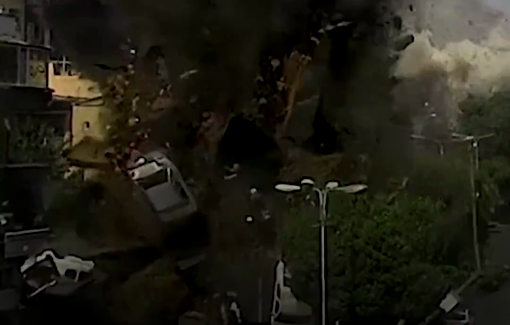
Fault Lines gained rare access to Iran's Evin Prison to investigate the aftermath of the Israeli air strike in June.
1 January, 2026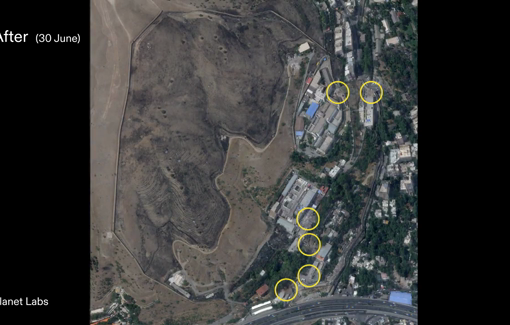
Forensic Architecture analysed the strikes impacts on the Evin Prison
4 July, 2025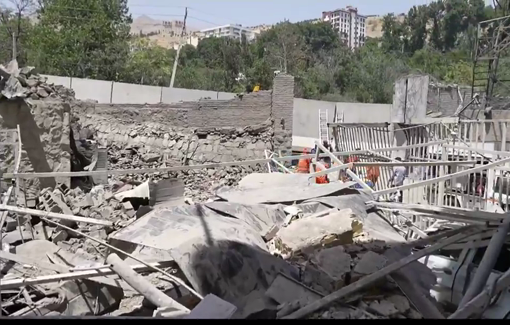
The visitation building of Evin Prison was also targeted by the Israeli strikes, causing the deaths of several prisoners and their families
23 June, 2025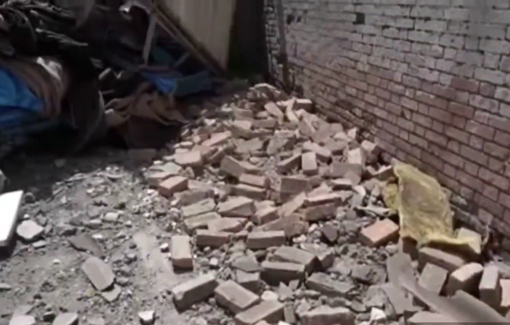
Section 209 of the prison, under the control of the regime’s intelligence services where many opposition members were held—was targeted by Israel.
23 June, 2025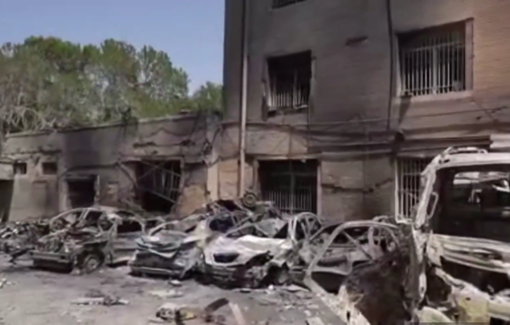
The Evin prison infirmary was directly targeted by a bomb dropped from a drone and was completely destroyed
23 June, 2025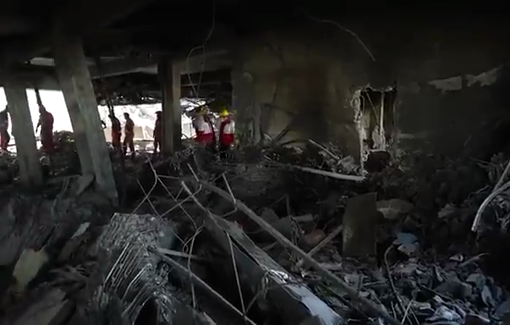
Aftermath of the 5 Israeli strikes on the Evin Prison, killing at least 78 citizen, including prisoners
23 June, 2025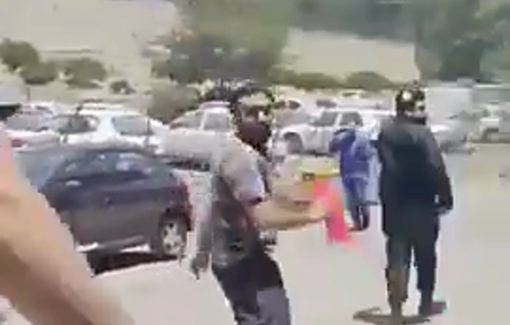
Thick black smoke rising from Evin Prison after it was struck by Israel
23 June, 2025