Genocide .live

Homesh settlement (development after 2005 disengagement)
12 March, 20232009–2022: settler reoccupation as an unauthorized yeshiva/outpost, repeatedly evacuated but repeatedly rebuilt.
May 2023: state-authorized return and relocation of the yeshiva onto land defined as state land — effectively restoring a permanent Israeli presence after the 2005 evacuation. "On Thursday morning (May 25, 2023), residents of Burqa woke up to heavy mechanical equipment carrying out infrastructure work on their private lands in the outpost of Homesh. On Monday, May 29, 2023, the outpost was reestablished in an area that is defined as state lands. Throughout the initial stage, the outpost will serve as a yeshiva. The illegal works were carried out based on the decision of the Minister of Defense. The residents of Burqa suffer from frequent cases of violence by settlers, and the re-establishment of this outpost will prevent them from returning to their lands, further violating the law, this time by Defense Minister Gallant and the additional minister in the Ministry of Defense, Smotrich, and disregarding international agreements that Israel committed to."
May 2025–2026: formal governmental decision and implementation of a new settlement, with jurisdictional boundaries and construction work.
12 March 2026, Israeli government officials marked the repopulation of the reestablished settlement of Homesh, with settler families returning to the site.
Chronology:
In 1978: Homesh established as an Israeli settlement on land that had been requisitioned by Israel for military purposes.
August 2005: Homesh evacuated as part of Israel's disengagement, together with Ganim, Kadim and Sa-Nur in the northern West Bank. Israelis were subsequently prohibited from entering the area.
2007: Former Homesh settlers began organizing annual marches to the evacuated settlement and attempting to establish a presence there.
2009: A yeshiva was established at Homesh. The army repeatedly evacuated it, but settlers repeatedly returned.
2013: Palestinian landowners petitioned the Israeli Supreme Court seeking access to their land and removal of the yeshiva. The court subsequently annulled orders that had prevented the owners from accessing their land
2021: After the killing of a yeshiva student, the government increased military protection of the Homesh yeshiva, allowing the settlers to consolidate their presence.
March 21, 2023: The Knesset amended the 2005 Disengagement Law, removing the legal prohibition on Israelis entering parts of the evacuated northern West Bank settlements. This was the key legal step toward reestablishment.
May 18, 2023: The IDF formally cancelled the prohibition on Israelis entering Homesh.
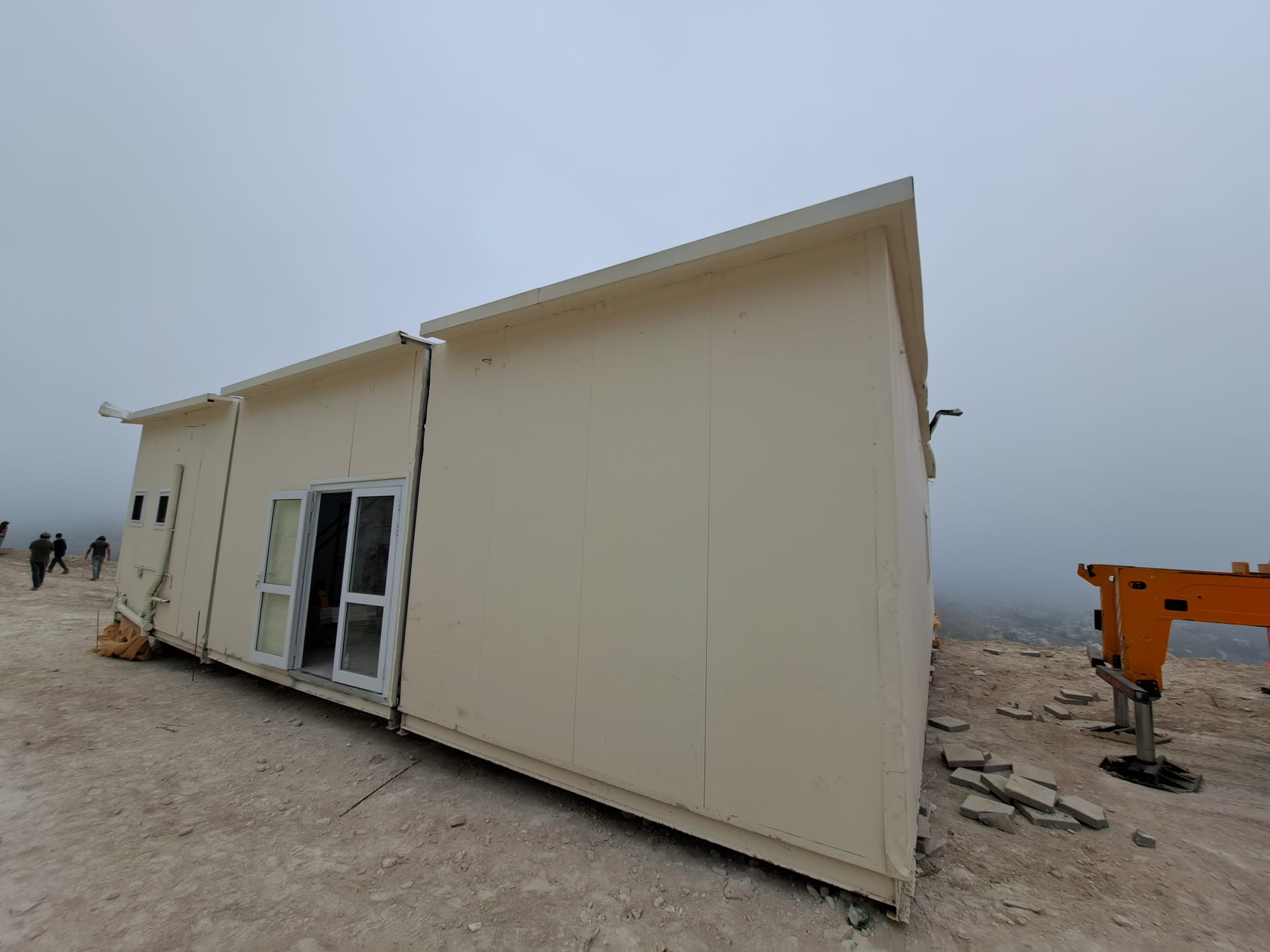
May 25–29, 2023: Heavy machinery prepared a new site. On May 29, the Homesh yeshiva/outpost was relocated from privately owned Palestinian land to an area designated as state land, several hundred metres away. Mobile homes were installed.
June–July 2023: Construction of the new yeshiva began. The government acknowledged that it intended to establish a permanent Israeli presence at Homesh.
May 10, 2024: The military also authorized Israelis to enter the former settlements of Sa-Nur, Ganim and Kadim, completing the legal opening of all four northern West Bank sites evacuated in 2005.
May 18, 2025: The Israeli cabinet formally decided to reestablish Homesh and Sa-Nur (along with Har Eival).
December 28, 2025: Central Command signed an order defining the jurisdictional boundaries of the future Homesh settlement.
Early 2026: Work toward the establishment of the settlement began on the ground.
12 March 2026, Israeli government officials marked the repopulation of the reestablished settlement of Homesh, with settler families returning to the site.
Links
Uploads
(4 of 4)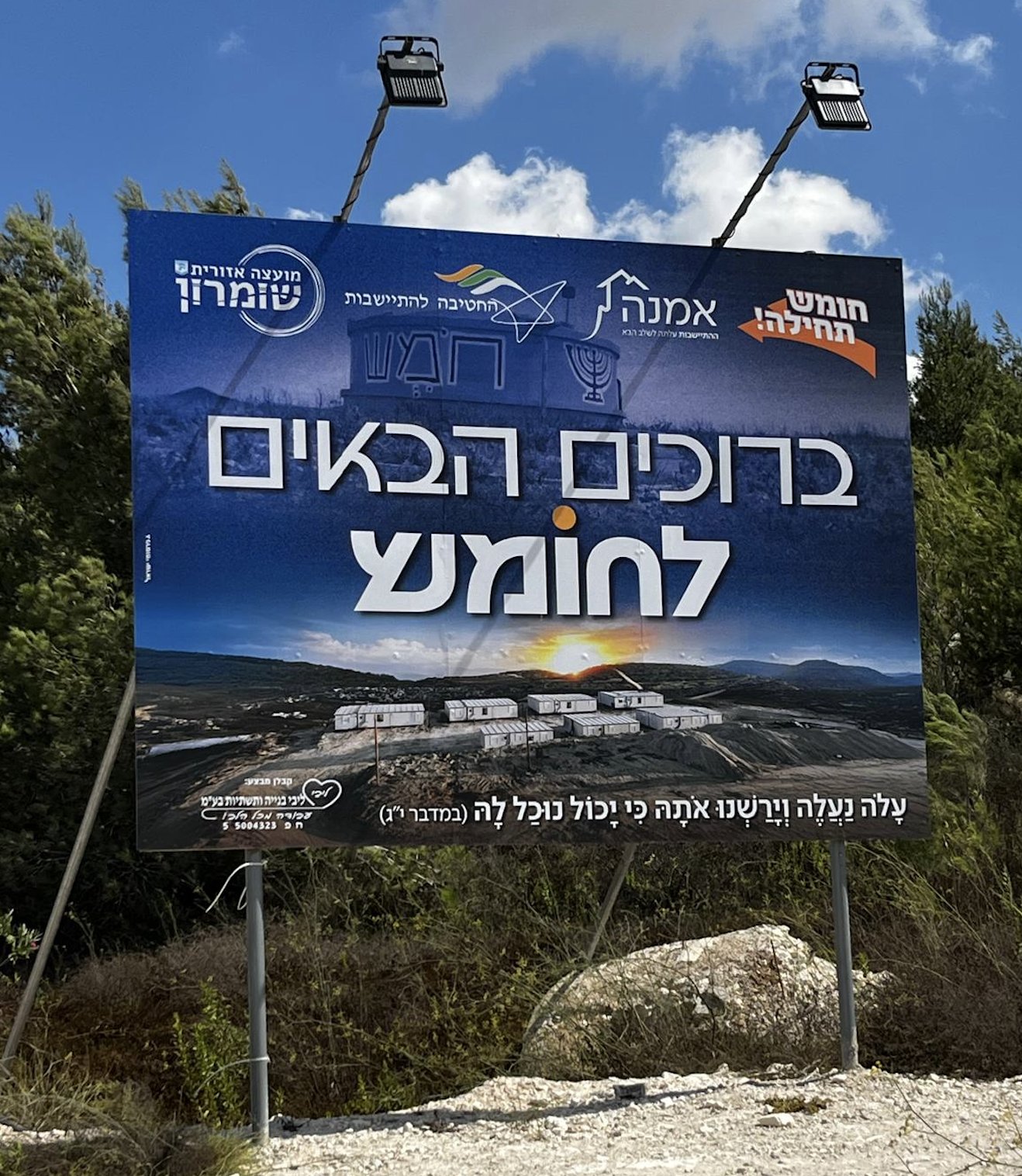
The entrance sign of the re-established settlement of Homesh between Nablus & Jenin
31 August, 2026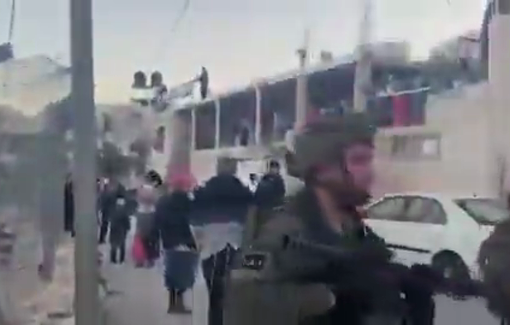
Israel’s Interior Ministry has officially recognized five settlement outposts, including Homesh outpost
14 January, 2026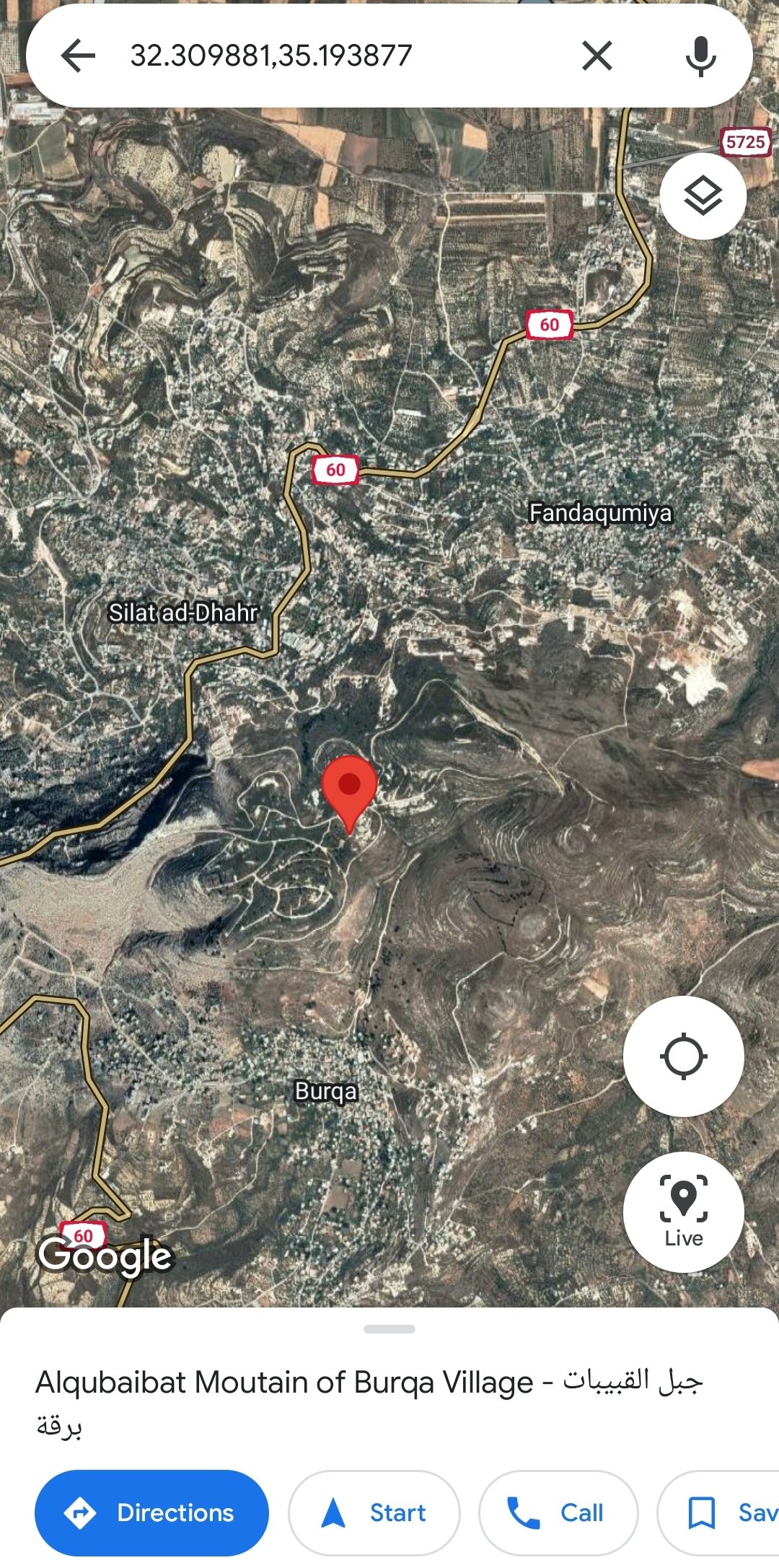
Backed by Netanyahu and Yoav Gallant, a Yeshiva is restablished on former Homesh settlement
29 May, 2023