
Genocide .live

Evil deeds of the indicted Settler Yedidya Kaufman (At-Tawil)
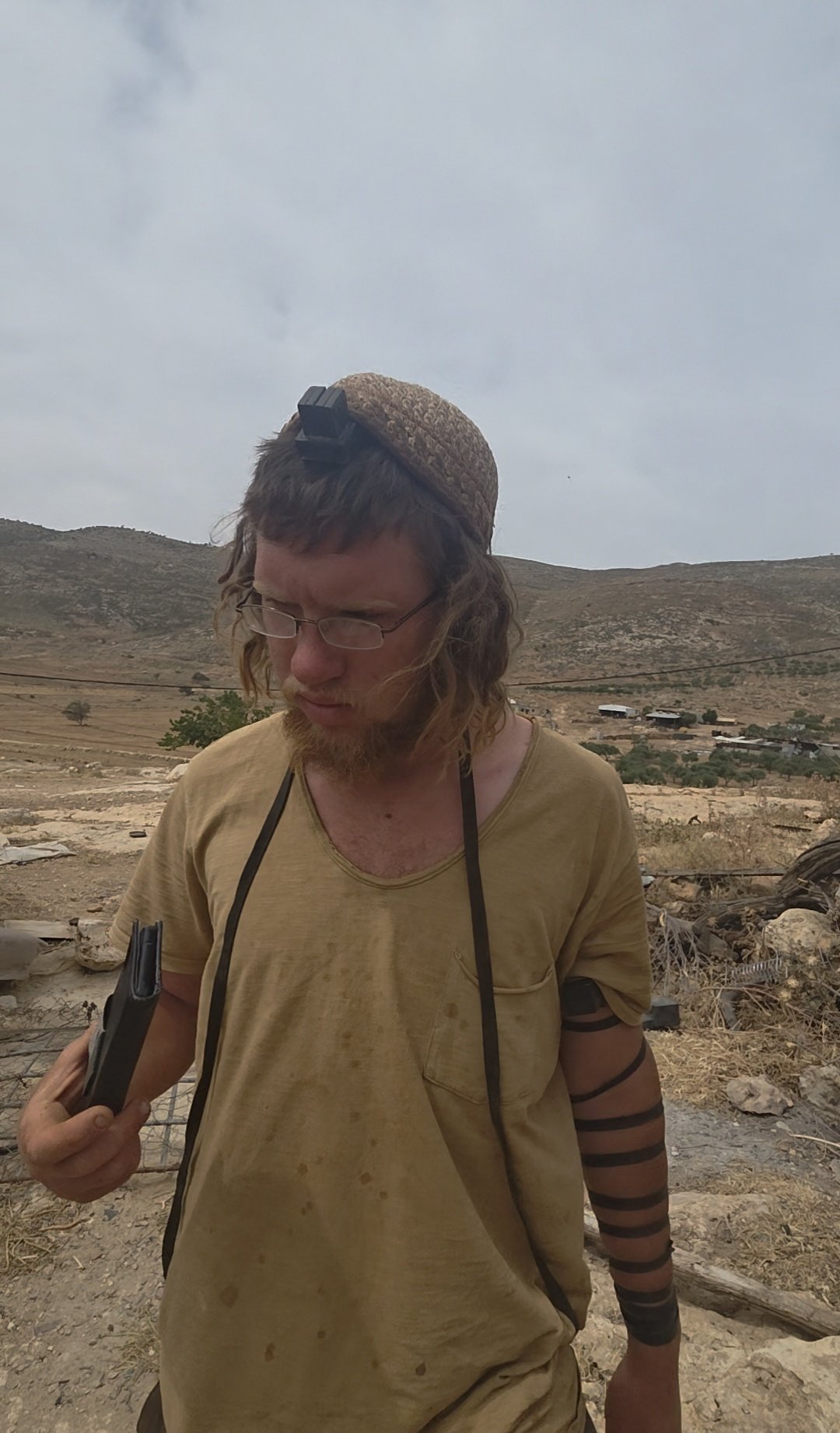
Original Social Media Post
"באחת השבתות הגעתי לח'ירבת א- טוואיל. נכנסתי להגיד שלום לאישה שאני מאוד אוהבת, לנכדה שלה ולמשפחה. בלי שום התראה מוקדמת היא הרימה את החולצה. כל החזה שלה, עד הכתפיים, היה מכוסה שטפי דם וסימנים כחולים. היא אמרה לי בערבית: "ראית מה ידידיה עשה לי? נכנס בלילה והכה אותי באלה". נחנקתי. יצאתי החוצה כי לא הצלחתי להחזיק את עצמי והתחלתי לבכות. כל מה שיכולתי לחשוב עליו היה אמא שלי. מה הייתי מרגישה אם אמא שלי הייתה מרימה מולי את החולצה ומראה לי דבר כזה ולא היה לי כלום מה לעשות. עוד לא הספקתי להתאפס והוא הגיע שוב למתחם. הפעם הוא הבחין בנער פלסטיני בן 15 שחזר מרעיית צאן. ממש לידי שמעתי אותו אומר לשני קטינים מהאזור: תתקשרו לצבא ותגידו שהוא בא לתקוף אתכם. וזה בדיוק מה שהם עשו. הנער הלך לכיוון הבית שלו, והם ניסו להיכנס אחריו - לייצר אירוע שיצדיק בדיעבד את הזמנת הצבא. אני וחברה נוספת היינו שם. זו הייתה שבת. כולם עם כיפות. ידידיה, שתמיד מסתובב עם ציצית וטלית קטן, ירד מהריינג'ר שאותו נהג בשבת, פתח על שתינו את הדלת ורץ לכיוון הבית של הנער. נעמדנו מולו. אמרנו לו ששמענו את כל השיחה, שאנחנו יודעות שהוא משקר ושלא ניתן לו להיכנס לבית. "אתה היום לא תישאר פה" ידידיה אמר לו. הנער, שלא ממש הבין מה מתרחש, הזמין אותנו להיכנס אליו ובא עוד לפתוח את השער כדי להגן עלינו. הקטינים כמעט וניצלו את ההזדמנות כדי להיכנס. הצבא הגיע, וכמובן קודם כול הלך לשמוע מה יש למתנחלים לומר. אחרי שהחיילים עזבו הגיע ריינג'ר נוסף. הפעם בלי לוחיות רישוי, ועליו רעולי פנים. היה די ברור למה הם באו. להשלים את מה שלא הצליחו לעשות קודם, רק בדרך אחרת. כשאנשים מגיעים רעולי פנים, הם לא מגיעים לדבר. הלב שלי דפק. הדבר הראשון שעלה לי בראש היה התקיפה של החברים שלי בקוסרא על ידי נערים שהיום אחראים על המצור שם. כשאני שמחה לרגע על כך שהוגש כתב אישום נגד אדם שמסוגל לבצע רצף כזה של מעשים בתוך כמה שעות, אני בעיקר חושבת על כמה נמוך ירד רף הציפיות שלנו. במציאות שבה אלימות נגד פלסטינים מתקיימת שוב ושוב מול עדים, מצלמות, חיילים ושוטרים, עצם העובדה שמקרה אחד חוצה את המרחק שבין תיעוד לחקירה, ומחקירה לכתב אישום, כבר נתפסת כהישג. וזה אולי אחד הדברים שהמציאות הזאת עושה לנו: היא משנה את קנה המידה. מה שאמור להיות פעולה בסיסית של מערכת אכיפת חוק לחקור אלימות ולהעמיד לדין כשיש ראיות הופך לאירוע חריג שאפשר לשמוח בו. אני לא חושבת שאפשר בכלל לדבר על "צדק" במובן המלא מול מה שהפלסטינים עוברים. גם כי רוב הדברים לעולם לא מגיעים לתיק חקירה או לכתב אישום, וגם כי מה שאנחנו רואים בסרטונים וברשתות הוא רק החלק שניתן לתעד. המצלמה יודעת לתפוס מכה, פלישה לבית או דריסה. הרבה יותר קשה לה לתפוס חיים שלמים שמתארגנים סביב האפשרות שזה יקרה שוב בעוד שעה, בערב או מחר בבוקר. אז אני שמחה על כתב האישום הזה, אבל מנסה לא להתבלבל לגבי משמעות השמחה. כתב אישום אחד לא מעיד שהמערכת עובדת. לפעמים הוא דווקא ממחיש עד כמה נדיר שהיא עובדת. לדיווח של @MatanGolanPhoto https://www.haaretz.co.il/news/law/2026-08-20/ty-article/.premium/000001a0-1fb9-d293-a1e7-1fb949320000" - Source
Tags
Archivist Notes On This Video
"One Saturday, I arrived in Khirbet al-Tawil. I went in to say hello to a woman I care about deeply, her granddaughter, and the family. Without any warning, she lifted her shirt. Her entire chest, up to her shoulders, was covered in bruises and blue marks.
She said to me in Arabic: “Did you see what Yedidya did to me? He came in at night and beat me with a club.”
I choked up. I went outside because I couldn't hold myself together and started crying. All I could think about was my mother. How would I feel if my mother lifted her shirt in front of me and showed me something like that, and there was nothing I could do?
Before I had even had time to recover, he came back to the compound. This time, he noticed a 15-year-old Palestinian boy returning from grazing sheep. Standing right next to me, I heard him tell two minors from the area: “Call the army and tell them he's coming to attack you.” And that's exactly what they did.
The boy walked toward his home, and they tried to enter behind him—to manufacture an incident that would retrospectively justify calling the army.
Another woman and I were there. It was Saturday. Everyone was wearing kippahs. Yedidya, who always walks around wearing tzitzit and a tallit katan, got out of the Ranger he had been driving on Shabbat, opened the door onto us, and ran toward the boy's house. We stood in front of him. We told him we had heard the entire conversation, that we knew he was lying, and that we would not let him enter the house.
“You won't stay here today,” Yedidya told him.
The boy, who did not really understand what was happening, invited us into his home and even came to open the gate to protect us. The minors almost took the opportunity to get inside.
The army arrived and, of course, first went to hear what the settlers had to say. After the soldiers left, another Ranger arrived. This time without license plates, carrying masked men. It was quite clear why they had come: to finish what they had failed to do earlier, only by other means. When people arrive masked, they don't come to talk.
My heart was pounding. The first thing that came to my mind was the attack on my friends in Qusra by youths who are now responsible for the siege there.
When, for a moment, I am happy that an indictment has been filed against a person capable of carrying out such a sequence of acts within a few hours, I mostly think about how low our expectations have fallen.
In a reality where violence against Palestinians takes place again and again in front of witnesses, cameras, soldiers, and police officers, the mere fact that one case crosses the distance from documentation to investigation, and from investigation to indictment, is already perceived as an achievement.
And perhaps that is one of the things this reality does to us: it changes the scale. What should be a basic function of a law-enforcement system—to investigate violence and prosecute when there is evidence—becomes an exceptional event worth celebrating.
I don't think it is even possible to speak of “justice” in the full sense in the face of what Palestinians endure. Not only because most incidents never reach an investigation file or result in an indictment, but also because what we see in videos and on social media is only the part that can be documented. A camera can capture a blow, an invasion of a home, or a vehicle running someone over. It is much harder for it to capture an entire life organized around the possibility that it will happen again in an hour, in the evening, or tomorrow morning.
So I am glad about this indictment, but I try not to confuse what that happiness means. One indictment does not mean the system works. Sometimes, it illustrates just how rare it is for it to work."
Event Notes
Attacks and pogroms on Khirbet al-TawilKhirbet al-Tawil is a small Palestinian rural hamlet located east of Aqraba, in the Nablus Governorate in the occupied West Bank, on the slopes overlooking parts of the Jordan Valley area. It lies in Area C, which is under Israeli civil and military control under the Oslo framework.
Khirbet al-Tawil appears frequently in reporting because of issues involving demolitions, land access, military-zone designations, and nearby settlement activity.
The village is also subject to harassement and attacks from the nearby violent outpost "Jackson farm".
On April 15, 2024:
Roughly 50 armed settlers attacked Khirbet al-Tawil. According to local officials, shots were fired during clashes. Two Palestinians — identified in reports as Mohammed Bani Jame and Abdulrahman Bani Fadel/Bani Fadl — were killed, and others were injured. Reuters and other reports described this as part of a wave of retaliatory settler attacks after the killing of an Israeli teenage shepherd.
On July 11, 2024:
Israeli authorities demolished agricultural structures and sheep pens in Khirbet al-Tawil. While not itself described as a settler assault, documentation linked these measures to wider pressure on shepherd communities already facing settler attacks and displacement risks.
On July 3, 2025:
Israeli settlers established new illegal outposts in the Khirbet al-Tawil/Aqraba area, including mobile homes and embarked on leveling and bulldozing the area around them.
On July 9, 2025:
Settlers attacked Khirbet al-Tawil, injuring eight Palestinians. The Palestine Red Crescent Society teams transported "three cases of live bullet wounds to the legs resulting from the settler attack on Khirbet al-Tawil" to hospitals, the humanitarian organization said in a statement.
In a later statement, the Red Crescent said its teams treated "five additional injuries, including one child, caused by beatings from settlers."
On April 13, 2026,
Settlers were building a (new) outpost opposite the home of one of the families near the village homes with the aim of expelling the families and taking over the houses and privately owned land. According to testimony, teh previous night the outpost residents harassed people in their homes and stole a solar panel. A soldier or someone impersonating a soldier, wearing military uniform and carrying Israeli army-issued weapons, was together with a settler. After many months of harassment by settlers, fear and pressure did their work, and the family fled. The army and the police refused to come. When activists called the police for help, they were told that settlers are allowed to be wherever they want.
On June 6, 2026,
Shortly after midnight, young settlers broke into the home of Anad Bani Jaber (65) and assaulted him and his wife while they were asleep. They then stole the security camera installed outside their home and fled. Settlers beat people, steal, and run away.