
Genocide .live

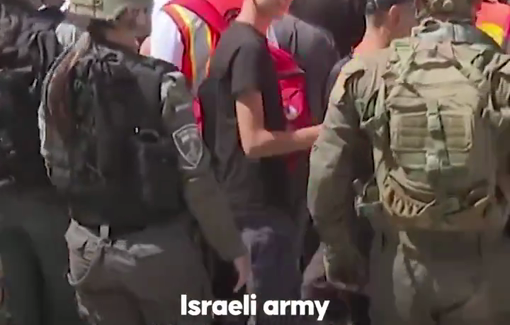
Aysenur Ezgi Eygi Assassination
West Bank, Nablus, Beita
06 September, 2024
PC CORRESPONDENT FROM THE WEST BANK: Turkish American activist **Aysenur Ezgi Eygi** has succumbed to the wounds she sustained after being shot in the head by Israeli soldiers in Beita, south of Nablus, in the northern occupied West Bank
- **Aysenur Ezgi Eygi**, an American and Turkish dual citizen, arrived in the West Bank on 3 September 2024 to engage in activism work with the International Solidarity Movement (ISM) as part of a campaign to protect Palestinian farmers sources told Al Jazeera.
**American-Turkish Activist Killed**: Aysenur Ezgi Eygi, a 26-year-old American-Turkish human rights activist, was shot in the head by Israeli forces during a protest in Beita, West Bank, and died from her injuries.
**Incident at Beita Protest:** On 6 September 2024, Eygi attended a protest **in Beita, near the Israel settlement of Evyatar.** The protest, which is held weekly, calls for the end of settlement expansion in the West Bank. Israeli Defense Forces (IDF) opened fire on protesters using live ammunition, stun grenades, and tear gas. Eygi was critically injured and later died at Rafida Hospital in Nablus.
- According to witnesses, Eygi was shot by Israeli Army soldiers during the protest. An Israeli witness from the group Defend Palestine said the shooting occured following a communal prayer held by both Palestinian and non-Palestinian activists. Israeli soldiers "surrounded" the protesters, leading to confrontations between the two groups. The protesters began throwing stones, while the soldiers began using tear gas and firing live ammunition; in response, the protesters retreated from the area.
- According to witnesses, about 30 minutes after the confrontations had ended, while all was quiet, two soldiers on a roof about 200 yards away shot into the crowd of protesters. Witnesses reported hearing two shots; one hit an 18-year-old Palestinian protester in the leg, **while the other hit Eygi in the head. **
- **Muneer Khdeer**, a resident of Beita village in the occupied West Bank, witnessed the killing of activist Aysenur Ezgi Eygi. He described what he saw: *“Every Friday for three years, we have been praying at a mosque in al-Masbah, opposite of Mount Sabih. After prayers, Israeli soldiers follow the young men who are heading home, which leads to scuffles. They fire tear gas and live rounds, and the young men throw stones at them,”* *“That day, the Israelis were firing live rounds towards the Palestinians and foreign volunteers. The two groups were about 300 metres [330 yards] apart, so the stones didn’t hit the soldiers. A sniper was among the soldiers because he placed a weapon on top of the wall. He fired two rounds, and one hit the Turkish woman, Aysenur. An ambulance took her away.The Israeli soldiers were so happy after the sniper hit Aysenur because they thought they had hit a Palestinian.* source : [https://aje.io/ivfzi9?update=3178716](url)
**Hospital Report:** Fouad Nafaa, head of Rafida Hospital, confirmed that Eygi arrived in critical condition with a severe head injury. Despite resuscitation efforts, she succumbed to her injuries.The director of the hospital, Dr. Fouad Naffa, as well as another doctor who administered first aid, Ward Basalat, confirmed to media that Eygi had been shot in the head.
An autopsy report of Aysenur Ezgi Eygi has confirmed she was killed by an Israeli sniper’s bullet to the head, according to the Nablus governor Ghassan Daghlas. The autopsy results indicated Eygi’s cause of death was a gunshot wound inflicted by a sniper, specifically targeting her head. The examination was conducted late Friday night at the Forensic Medicine Institute, An-Najah National University in Nablus. The information about Eygi’s death was shared with the Turkish consulate in Jerusalem on Friday.This autposy indicated that Eygi may have been intentionally targeted by an Israeli sniper using live ammunition.
**Faz'a Campaign and International Solidarity**: Eygi was part of the Faz'a campaign supporting Palestinian farmers and a member of the International Solidarity Movement, similar to Rachel Corrie, another activist killed by the IDF in 2003.
**IDF Response**: The Israeli military stated that they fired at the lower body of the main instigator during a violent protest, and they are investigating the details of Eygi’s death.
### **International Reactions** :
**Palestinian Authority:** Secretary General Hussein al-Sheikh condemned the killing, calling for accountability in international courts.
**Turkey:** The Turkish Foreign Ministry expressed deep regret over Eygi's death.
**US State Department:** Spokesperson Matthew Miller offered condolences and stated that the US is gathering more information on the incident.
**Palestinian Authority President Mahmoud Abbas** has offered condolences to the family of the US-Turkish activist killed by Israeli forces during a protest in the occupied West Bank. Abbas spoke to the father of Aysenur Ezgi Eygi, Mehmet Suat Eygi, over the phone, Wafa news agency reported. The president called Eygi a *“brave daughter of Palestine and Turkey who was assassinated at the hands of the Israeli occupation”* as well as an *“honest symbol of the solidarity between the brotherly Turkish and Palestinian peoples”*. Abbas said he would posthumously award Eygi with the Medal of the Star of Jerusalem. Palestinian leaders are working with US and Turkish authorities to ensure a fair investigation is conducted into the activist’s killing and efforts are under way to file a case with the International Criminal Court, he added.
Source : [https://aje.io/ivfzi9?update=3178743](url)
### **Similar Past Incidents:**
Eygi is the third ISM volunteer killed by the Israeli forces in Palestine. **Rachel Corrie** was killed in Gaza’s Rafah in 2003 and **Tom Hurndall** was also killed in Gaza in 2004.
[ https://www.jpost.com/breaking-news/article-819011](url)
### **EuroMedMonito Right Org. statement :**
*"We know Israel will at best claim "we'll investigate" & the international community will call on Israel to investigate itself. This would be a tired sham; a stunt that we have seen countless times whenever the IDF is caught red-handed. Only sanctions can deter such atrocities!"*
### **Funerals and remembrance:**
- Her funeral procession was taking place in Nablus, on Septemebr 9 among Palestinian people.
- Turkey's Foreign Ministry is **exploring ways to bring Eygi's body to Turkey**, as land crossings to Jordan have been shut down by Israel.
- Turkey is considering t**ransporting her body by plane to avoid delays**, following a request from her family.
source : [https://aje.io/uzyds7?update=3167207](url)
### **International Solidarity Movement statement** :
**Rob Sadler** of the International Solidarity Movement says despite the killing of its volunteer Aysenur Ezgi Eygi, he and other foreign activists will continue to highlight Israel’s deadly violence and land theft in the occupied West Bank : *“Clearly Israel is gearing up to subjugate the West Bank and the Palestinian people even further with the view of increasing their military control over the territory. We’re here because we’ve been invited to expose this programme of destruction against the Palestinian people and support them in practical and nonviolent ways. Clearly the international community cannot be trusted to do this as we’ve seen by the Americans’ complicity in the genocide in Gaza. So it’s more important than ever for us to show the world that Palestine does not stand alone. The existence of this terrorist state and their genocidal campaign should be a disgusting affront to all of humanity. And if our governments won’t stand against it, we will".*
Source : [https://aje.io/ivfzi9?update=3178814](url)
### Context :
The Nablus Governorate is an administrative district of Palestine located in the Central Highlands of the West Bank, 53 km north of Jerusalem. It covers the area around the city of Nablus which serves as the muhfaza (seat) of the governorate. The governor of the district is Mahmoud Aloul.
**Nablus is not part of the State of Israel and the presence of the Israeli army is considered under international law and by the UN as an occupation. Additionally, the northern West Bank became an annexation target announced by Netanyahu's government on September 3, 2024.**
### Diplomatic consequences
The killing of Turkish-American activist Aysenur Ezgi Eygi in the occupied West Bank has sparked national mourning in Turkey and is expected to strain Turkey-Israel relations further. Ankara is likely to pursue legal action over the incident, according to analyst Vehbi Baysan. Turkey, which had initially tried to mediate in the Gaza conflict, stepped back after Israel's rejection. While Turkey does not seek to completely sever diplomatic ties, it aims to hold Israel accountable for its actions against Palestinians, which will likely complicate the already tense relations between the two countries.
[https://aje.io/ivfzi9?update=3178553](url)
Murder and desecration of Majed Feeda Abu Zeina, 16 y/o
West Bank, Tubas, Al Far'a RC
05 September, 2024
At least 1 martyred
On September 5, 2024, according to eyewitnesses and the Palestinian at approximately 00:45 on Thursday,Israeli forces, accompanied by bulldozers and drones, move into **Al-Far’a refugee camp**, south of Tubas. Several residents then gathered and threw stones at the Israeli vehicles while the soldiers opened fire on them.
**Centre for Human Rights’s field [documentation](https://pchrgaza.org/en/pchr-condemns-the-mutilation-of-palestinian-childs-body-after-his-killing-in-tubas-amid-escalating-israeli-military-assault-in-the-west-bank/)**
- An hour later, soldiers shot a boy in the western neighborhood of the camp, who appeared to be taking out something from his pocket. They shot him in the leg and then a soldier ordered him to take off his shirt and he obeyed. And when the soldier ordered him take off his pants, the boy tried but couldn’t. Immediately, the soldiers fired two bullets that hit his neck and chest, causing him to collapse. He was left to bleed for approximately an hour and a half, as the soldiers denied medics from reaching him to provide aid or even retrieve his body.
- At around 2:30, IDF brought in a bulldozer and began desecrating the boy’s body, tearing open his abdomen and exposing his internal organs before dragging and throwing him on al-Far’a hill along Nablus-Tubas Road and opposite al-Far’a Valley.
- After IDF’s withdrawal at 06:45, the boy’s body, disfigured and unrecognizable, was retrieved and transported to the Tubas Turkish Public Hospital. The boy was later identified as Majed Fida Abu Zina (17), a resident of the Camp.
[Source]()
**[Documentation](https://www.dci-palestine.org/israeli_forces_fatally_shoot_16_year_old_palestinian_boy_desecrate_his_body) of Defense for The Children International Palestine**
On Friday September 6, Defense for Children International-Palestine stated that on the previous day, “Israeli forces shot and killed a 16-year-old Palestinian boy in the northern occupied West Bank then desecrated his body.”
The teen, Majed Abu Zeina, “was shot in the leg by an Israeli soldier from a distance of 30 meters” in al-Faraa refugee camp south of Tubas.
“Israeli soldiers approached Majed as he lay injured on the ground and prevented a Palestinian ambulance from reaching him,” according to Defense for Children International-Palestine.
“Majed pleaded with Israeli soldiers to let the ambulance help him, but they ignored him” and one of them ordered him to lift up his shirt, “which revealed a homemade explosive device that Majed was allegedly carrying.”
The soldier “then shot Majed at point-blank range in the neck, killing him,” according to the children’s rights group.
Video shows an Israeli military bulldozer moving the boy’s body with the front blade. The soldiers operating the bulldozer drove around al-Faraa with the teen’s body in the blade for an hour before dumping him in another area of the camp.
The Palestinian Center for Human Rights said that the boy’s abdomen was torn open while being carried by the bulldozer and his internal organs were exposed. His body was “disfigured and unrecognizable” when it was finally retrieved following the withdrawal of Israeli troops hours later.
**Name of the Martyr :**
Majed Feda Abdulqader Abu Zeina, 16

**Context :**
Since Augustus 28, Israeli began the Military Operation "Summer Camps". Israeli military bulldozers have been conducting large-scale demolitions in Jenin, Tulkarem, and Tubas, leaving these areas uninhabitable. Roads, water, and electricity infrastructure are being destroyed, forcing Palestinian families to flee their homes. Journalists covering the destruction are being targeted. Military raids and arrests continue across the West Bank, particularly in northern cities like Jenin, Tulkarem, and Tubas, as well as Hebron in the south. The entire West Bank, following Gaza, has been declared a military war zone causing the murder of 40 citizens, including 21 from Jenin Governorate, 8 from Tulkarem, 8 from Tubas, and 3 from Hebron, raising the total number of slain Palestinians in the West Bank since October 7, 2023, to 700.
**On February 2025,** during a 11 days invasion and occupation of the Camp (Wide-scale "Iron Wall" operation), Israeli soldiers invaded and occupied the family home of martyr Majed Abu Zina, and desecrating his memorial leaving feces and condoms behind them.
Extrajudicial execution by IDF drone strike in Tubas on September 5
West Bank, Jordan Valley, Tubas
05 September, 2024
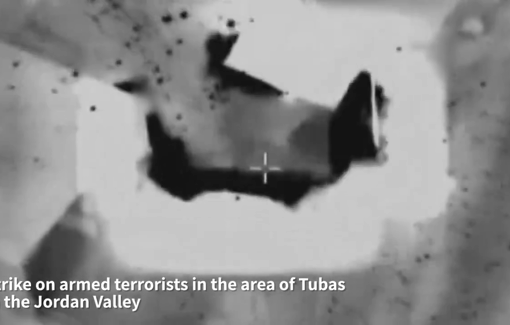
On September 5, 5 Palestinian young men were killed and two others were injured, one of them seriously, in an airstrike carried out by an Israeli occupation drone on a vehicle in the city of Tubas. [https://x.com/WAFANewsEnglish/status/1831602110292480225](url)
Israeli Army bombing a vehicle in Tubas has claimed at least five lives, including **Muhammad Zakaria al-Zubeidi**. He was the son of political prisoner Zakaria al-Zubeidi. Muhammad’s deepest wish was to see his father freed and to live with him in freedom..
Muhammad Al-Zubeidi (19 years old), the eldest son of Zakaria says that if he wants to calculate the period he lived with his father, it does not exceed 5 years,* “My dream is to see my father freed and live with him.”*
[https://x.com/Palestinecapti1/status/1831497303552880882](url)
**The victims are :**
1. Mohammed Awad Salem Abu Juma, 30 years old
2. Mohammed Abu Zagha, 23 years old
3. Qusay Abdul Razek, 26 years old
4. Ahmed Abu Dawas, 24 years old
5. Mohammed Al-Zubeidi, 21 years old
**The sixth victim :**
Saif Mithqal Abu Dawas, a 27-year-old Palestinian man died early Monday from injuries sustained in an Israeli drone strike on the city of Tubas in the northern West Bank, according to the official Palestinian news agency.
He succumbed to his injuries 10 days after the Israeli strike targeted a vehicle in Tubas on Sept. 5, WAFA reported. Abu Dawas had been receiving treatment at Tubas Turkish Hospital before his death.
The attack resulted in the deaths of five Palestinians and injured several others.
[https://www.aa.com.tr/en/middle-east/palestinian-man-dies-from-injuries-following-israeli-drone-strike-in-west-bank/3331170](url)
**Murder Executor**
The Israeli forces (IDF and Israel Prison Service forces, guided by ISA intelligence) targeted the car with a drone strike. They alleged men inside the vehicle are "terrorist" by resisting to Israeli illegal occupation on occupied territories, Jordan Valley, West bank.
The victims were from Tubas and Far'a.
The Israel Prison Service (Hebrew: שירות בתי הסוהר, Sherut Batei HaSohar, Arabic: إدارة السجون الإسرائيلية, Idārat al-Sujūn al-Isrā’īlīyyah), known in Israel by its acronym Shabas (שב״ס) or IPS in English, is the state agency responsible for overseeing prisons in Israel. It is under the jurisdiction of the Ministry of Public Security.
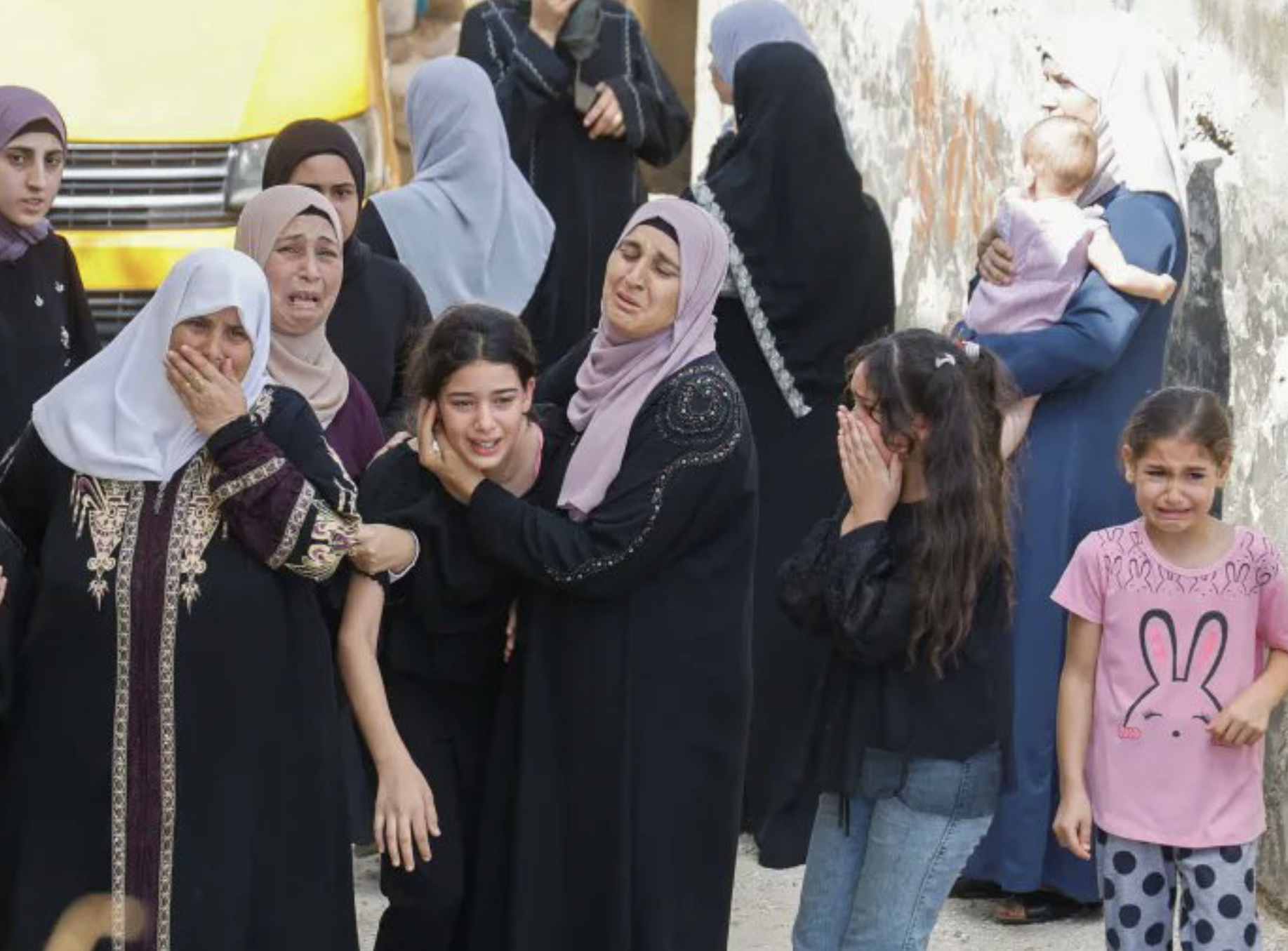
Lujain Osama Musleh Assassination
West Bank, Jenin, Kafr Dan
03 September, 2024
### **Assassination of 16-Year-Old Lujain Osama Musleh**
**Incident Details:**
- On September 3, 2024, 16-year-old Lujain Osama Musleh was shot and killed by an Israeli sniper while looking out of the window of her home in Kafr Dan, near Jenin, West Bank.
- According to her father, Lujain was shot through the forehead as she opened a curtain in her home. She had no involvement in any violent activity.
- Palestine Red Crescent Society (PRCS) said its crews transported a 16-year-old girl who was fatally shot by Israeli forces’ live bullets in the village of Kafr.
- Israeli forces prevented ambulance crews’ access to the site for over half an hour and left the girl to bleed to death.
- Another youth was also injured in the thigh by the Israeli forces’ live fire : Mohammad Abdullah Mohammad Kanaan, 14, was shot and killed by an Israeli sniper around 4:40 a.m in Tulkram entrance Camp.
**Context of "Operation Summer Camp"**
"Operation Summer Camp" is a large-scale military incursion launched by Israeli forces on August 28, 2024, involving hundreds of soldiers and armored vehicles. It targeted towns and refugee camps in the northern occupied West Bank, including Jenin and Tulkarem.The operation i s described as one of the most severe incursions since the Gaza war began a year ago. It has led to the deaths of over 30 Palestinians, including civilians, children, and elderly people. Governor Kamal Abu al-Rub described the operation as extremely oppressive, with 4,000-5,000 people displaced from their homes in Jenin and nearby refugee camps. The incursion has caused severe shortages of food and water, and aid deliveries have been delayed due to arbitrary controls imposed by Israeli forces. During the military operations, Israeli forces have taken control of Palestinian homes to use as military bases, often stationing snipers on rooftops. Bulldozers destroyed vital civil infrastructure, including water networks, leading to power outages in many neighborhoods around Jenin. Israeli forces also surrounded hospitals and obstructed ambulance movement, delaying critical medical assistance to those injured.
**Events Leading to Lujain’s murder**
On September 2, 2024, Israeli forces entered Kafr Dan, northwest of Jenin, prompting confrontations with Palestinian fighters. The soldiers surrounded a neighboring house in an attempt to apprehend a wanted Palestinian man. At approximately 2:10 p.m., Lujain, who was inside her home, 50 meters from the besieged house, was shot by an Israeli sniper.
Israeli forces blocked an ambulance from accessing Lujain’s home for about 10 minutes. She was later pronounced dead at Jenin Governmental Hospital.
**Folowing *Defense for Children International Palestine* **
- Lujain is the third Palestinian girl killed by Israeli forces in the West Bank in 2024, according to DCIP (Defense for Children International Palestine).
- In total, 75 Palestinian children have been killed by Israeli forces and settlers in the occupied West Bank in 2024, including two U.S. citizens.
- Since the October 7, 2024 escalation in Gaza, 156 Palestinian children have been killed in West Bank. In 2023 alone, 121 Palestinian children were killed by Israeli forces and settlers, most by live ammunition. Other children were killed by drone strikes and missile attacks.
**Lethal Force Against Civilians**:
- Under international law, intentional lethal force is only justified when there is a direct threat to life. However, evidence collected by DCIP indicates that Israeli forces often use lethal force in ways that suggest extrajudicial or willful killings.
- Since the Gaza war began, more than 680 Palestinians, both civilians and fighters, have been killed in the West Bank and East Jerusalem.
**Israeli Military Response:**
The Israeli military claimed they were investigating the incident, alleging that they fired back at a suspect who had been observing them. This statement came amidst a broader military operation, but Lujain’s death raises concerns about the rules of engagement used by Israeli forces in occupied territories.
**Criticism from international human rights organizations:**
While the Israeli military claims to investigate these killings, the ongoing pattern of violence, especially against minors, has drawn significant criticism from international human rights organizations.
**Collected sources :**
[https://www.democracynow.org/2024/9/5/headlines/israel_continues_deadly_west_bank_incursion_destroying_streets_homes_water_health_infrastructure](url)
[https://www.reuters.com/world/middle-east/palestinian-girl-killed-west-bank-was-looking-out-window-her-father-says-2024-09-04/](url)
[https://www.dci-palestine.org/israeli_forces_fatally_shoot_two_palestinian_children_in_the_head_in_the_northern_occupied_west_bank](url)
[https://english.wafa.ps/Pages/Details/148835](url)
Linked video
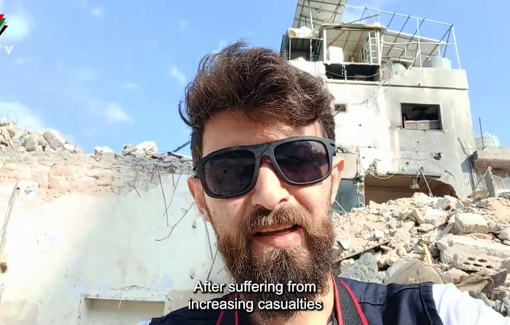
Systematic Israeli policy of urbicide in South Lebanon villages
Lebanon, South Lebanon
01 September, 2024
**First step: Israeli offensive at the fall 2024**
In 2024, the major Israeli military campaign in Lebanon began on 23 September 2024, when Israel launched large-scale airstrikes across Lebanon. Shortly afterward, on 1 October 2024, Israel began a ground offensive in southern Lebanon.
23 September 2024 — large-scale Israeli offensive in Lebanon begins
1 October 2024 — Israeli ground invasion starts
27 November 2024 — ceasefire takes effect
On November 5, 2024, Israel had already completely destroyed between 29 and 37 Lebanese border villages. These villages was razed by shelling or explosion, with the historical treasures that were there whose inhabitants are now refugees in their own country.
These 37 villages have been wiped out across a 120 km stretch from Naqoura to Shebaa. This systematic urbicide creating a no-life zone in South Lebanon. The Israeli army has been booby-trapping and destroying entire neighborhoods in cities and towns in south Lebanon, Lebanon’s state-run National News Agency reported on November 5. Entire streets and neighborhoods in 37 towns have been wiped out and homes have been destroyed. “More than 40,000 residential units have been completely destroyed. This is happening in an area three kilometers deep (from the border) that extends from Naqoura to the outskirts of Khiam”
### Reasons of this destruction campaign
Israel says it is targeting Hezbollah infrastructure near the frontier in a bid to push the Iran-backed group away from the border and allow for its residents to return to northern Israel.
However, local officials in Lebanon allege that Israel is pursuing a "systematic destruction" campaign.
Lebanon’s National News Agency and its Human Rights Commission have condemned Israel’s actions, with the Commission labeling the destruction in at least eight villages as a "war crime." These claims are supported by satellite images and footage, reportedly showing systematic demolitions by Israeli forces since the cross-border hostilities renewed in late 2023.
The demolitions clearing Israel’s ‘first belt’ in Lebanon. Satellite & video analysis shows damage in 30 villages within 3km of the border. At least 12 have had lines of buildings destroyed in controlled detonations. This contributes both to a scorched earth policy but also to a buffer zone for tactical purposes. However, the precedent of urbicide committed in Gaza, and the indiscriminate destruction of archaeological, religious or cultural treasures, suggests a logic of ethnic cleansing.
“There are two reasons Israel is using this detonations strategy,” said [retired Lebanese armed forces general Akram Kamal Srawi](https://archive.md/PBksg). The first is to **clear lines of sight for potential incursions** deeper into Lebanon in an area where Hizbollah maintains the upper hand and has caused significant losses for Israel. The second is that Israel has adopted **a scorched earth strategy in order to wage psychological warfare** on Hizbollah’s base people **by televising these detonations and weaken support for the group** — which will never work,” he added
Sources : [1](https://www.rfi.fr/en/middle-east/20241104-video-shows-massive-detonations-in-lebanon-border-village) 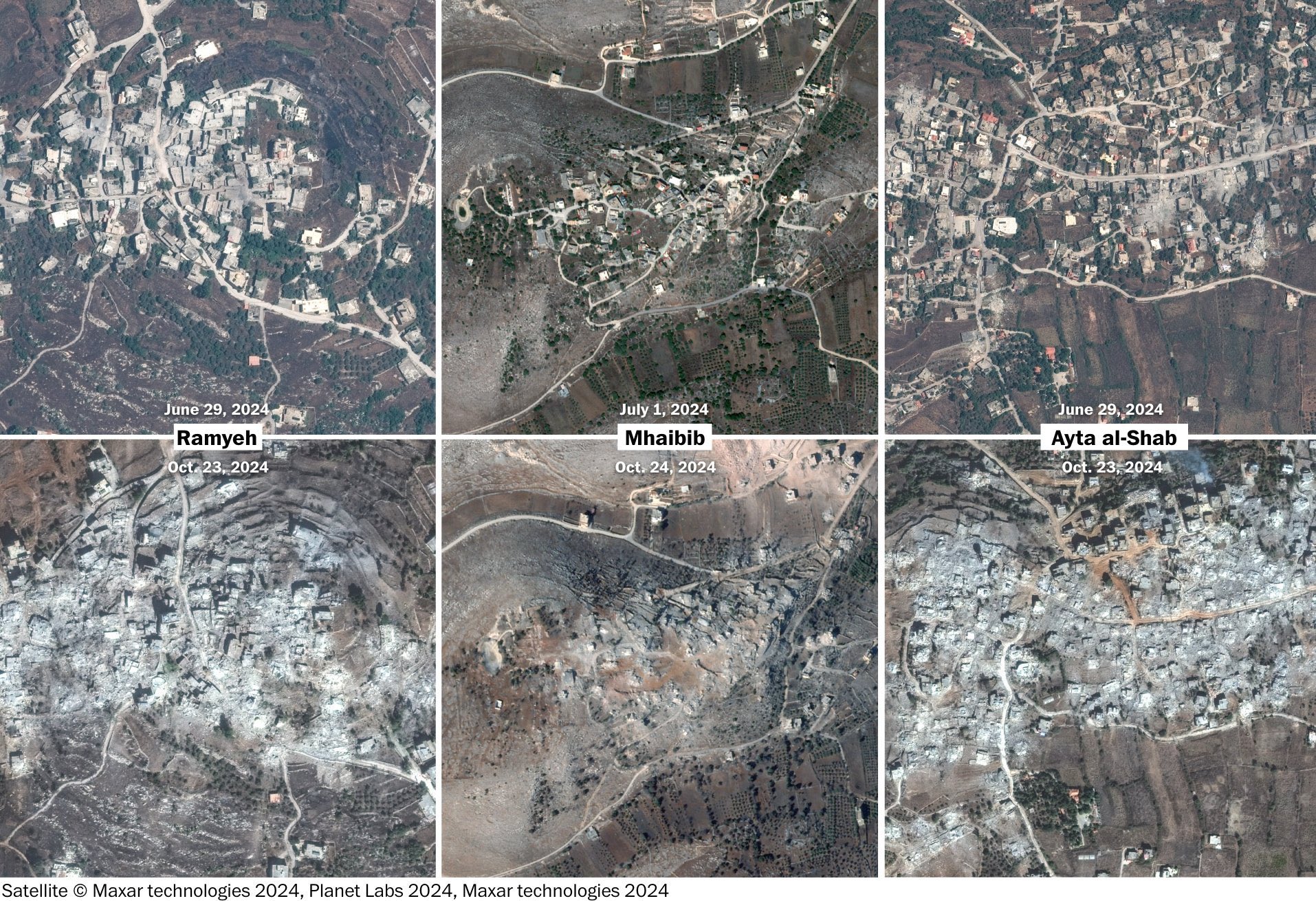
[3](https://www.lorientlejour.com/article/1432070/larmee-israelienne-rase-un-cimetiere-a-blida-detruit-une-ecole-et-fait-sauter-des-maisons-a-meis-el-jabal.html) [4](https://www.dailymotion.com/video/x97uosq) [5](https://apnews.com/article/hezbollah-israel-lebanon-buffer-zone-invasion-478f6970b049b3be52cc56c8e14b84e6)
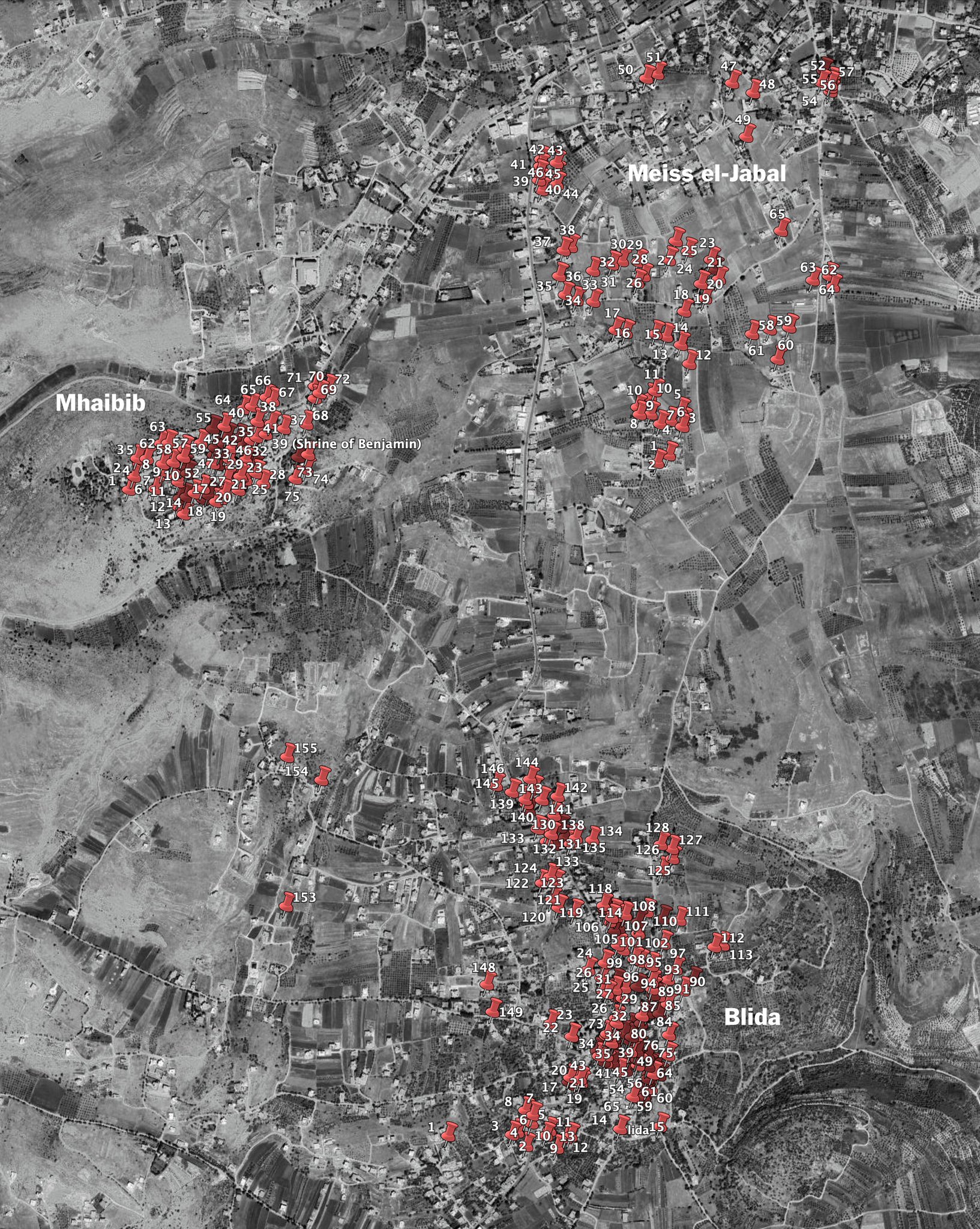*New satellite imagery analysis shows that in a 3-sq-mile area of southern Lebanon, covering Blida, Mhaibib, and southern Meiss el-Jabal, at least 296 buildings have recently been flattened; majority confirmed destroyed by Israeli military. This is a very conservative estimate.*

## The detroyed villages (Ongoing documentation)
### Mais al-Jabal :
After the blowing up of the village by Israeli army, around 70% of Mais al-Jabal is reported to be destroyed, with numerous detonations causing extensive structural damage across the village. Homes were reduced to dust, and large blasts occurred near a vacated hospital. Four elderly residents, aged between 85 and 90, are reportedly trapped in the village, awaiting rescue due to the ongoing instability and destruction.
The village’s mayor, Abdul-Monhem Choukair, has accused Israeli forces of conducting a campaign of "systematic destruction," describing the destruction as deliberate.
The [White Phosphorus Tracker](https://x.com/Phosphor_Abyad/status/1853518824009498908) (@Phosphor_Abyad) have verified and geolocated 25 White Phosphorus attacks over Meis Al Jabal, over the past year, making it the village most impacted by Israel’s deployment of WP in South Lebanon.
### Baalbek
#Minister_of_Culture Sends New Appeal to UNESCO Director-General Regarding Israeli Aggression on People, Heritage, and Historical Sites
Subject: Urgent Appeal for the Protection of Lebanese Cultural Heritage Following Recent Destruction Near the Baalbek Site
*"Dear Ms. Audrey Azoulay,
I write to you today with profound sadness, anger, and concern on behalf of the Lebanese Republic, government, and people, following a serious attack on our esteemed cultural heritage this evening. The Israeli aggression targeted the historic “Manshiyah” building in Baalbek, dating back to the Ottoman era and located near the Baalbek Fortress, causing severe damage in the recent attacks. This building held centuries of history and culture, standing as a living testament to our shared cultural heritage. The loss of this unique landmark, adjacent to a UNESCO World Heritage Site, is an irreparable loss, not only for Lebanon but for all of humanity’s heritage. The Manshiyah was an architectural and historical icon, embodying a living heritage for generations. Its destruction under the current circumstances is a profound loss to us all. We once again call on UNESCO to intervene urgently to protect the remaining heritage sites in Baalbek and the entirety of Lebanese cultural heritage, which faces escalating threats today. While Lebanon remains committed to international agreements, it urgently needs UNESCO’s active intervention to preserve its historical legacy amid the current circumstances. We hope that this message will receive your attention and immediate intervention and that we may work together to protect our precious cultural landmarks.
Sincerely,
Mohammad Wissam Al-Mortada Minister of Culture"*
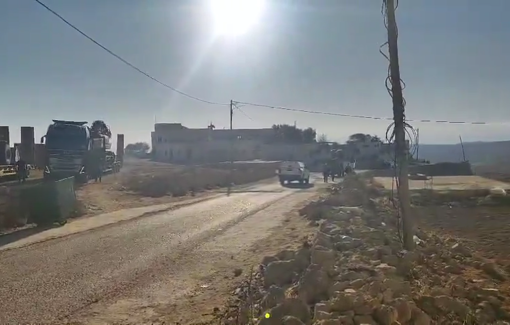
Repeated raid on Hebron since September 2024
West Bank, Al-Khalil, Hebron
01 Sep, 2024 - 26 Sep, 2024
On September 25
Israeli forces on Wednesday raided Hebron, and arrested six residents, security sources told the Palestinian news agency Wafa. The military also arrested one man from Idhna, west of Hebron.
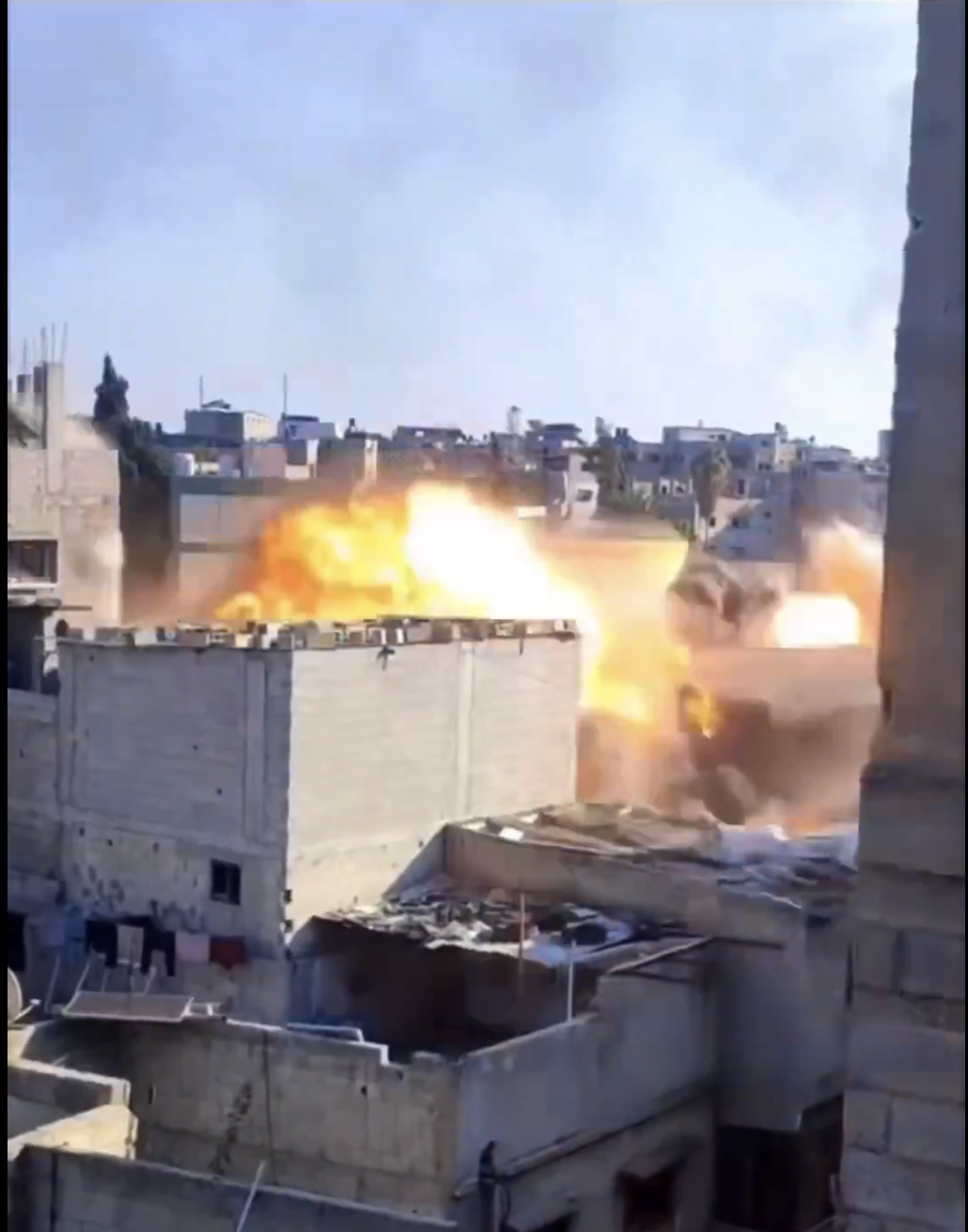
Safad School Massacre
Gaza, Gaza City, Zaytoun, Safad School
01 September, 2024
*Incident Overview:**
**Location:** Safad School, Zaytoun neighborhood, Gaza City.
**Date:** September 1, 2024
**Details:**
- Israeli warplanes bombed Safad School, which was being used as a shelter by displaced Palestinian families.
- Casualties: 11 confirmed dead, including 4 initially killed in the first strike. Many others were severely injured, with some still trapped under the rubble.
**Sequence of Events:**
- Initial Strike: The first airstrike targeted a police station inside Safad School, completely destroying a wing of the building.
- Threats and Subsequent Strikes: During rescue operations, the IDF threatened a second strike, which was followed by a third, preventing the rescue of victims and assuring further casualties and deaths.
- The school was also bombed a third time.
- Rescue operations were only possible after the third strike. Gaza's Civil Defense noted that at least one woman and one child were still alive after the firsts trike, but had perished after the third.
- On September 3, Civil Defense confirmed excavating the bodies of 4 martyrs from the rubble and noted that some people remain missing since the airstrikes.
**Impact on Surrounding Area:**
- The adjacent Al-Hurriya School was also damaged.
- The attack resulted in the of 11, some of which were not identified yet.
**Context:**
- Safad School was one of many shelters used by hundreds of families. However, due to recent IDF assaults in the Zaytoun area, the number of internally displaced persons (IDPs) had decreased, though thousands still remained.
-The Government Communications Office reported that a total of 172 shelters have been targeted by Israel during the conflict.
**Humanitarian Concerns:**
- The repeated targeting of school shelters is part of an ongoing policy by Israel, further exacerbating the humanitarian crisis.
- Victims including children injured in the attack were taken to the Al-Ahli Arab Hospital, their physical injuries compounded by the lasting psychological trauma of the event.
https://x.com/gazanotice/status/1830232018321654237 https://x.com/AnasAlSharif0/status/1830265655830188539
Ethnic cleansing of Jorat Al-Khalil
West Bank, Al-Khalil/Hebron, Jorat al-Khalil
31 Aug, 2024 - 18 Aug, 2025
Jorat al-Khalil is a Palestinian locality located in the Hebron Governorate in the southern West Bank. It is situated east of the town of Sa’ir, in the mountainous hills near the city of Hebron (al-Khalil).
This area is primarily inhabited by Bedouin and agricultural communities. It is part of Area C of the West Bank, under Israeli military and civil control, making it a strategically sensitive zone often targeted by settlement activities.
Jorat al-Khalil has repeatedly experienced violence from Israeli settlers, including the destruction of crops, theft of livestock, and attacks on residents.
**In August 2024,** settlers destroyed an agricultural project belonging to a local resident, Mai Shalalda, uprooting and burying her olive, almond, and grape plantations (lrcj.org).
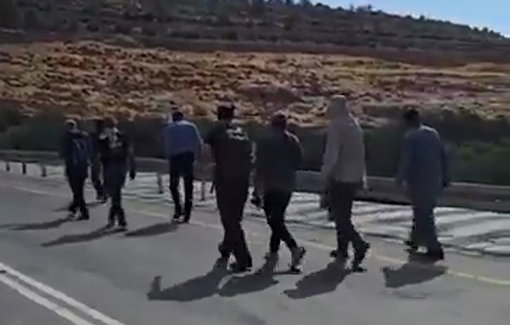
**On August 31, 2024,** around 300 heads of livestock were stolen from the village, and mobile homes and water tanks were damaged.A horde of dozen Jewish settlers wearing military clothing attacked on the morning Palestinian citizens and their property and stole 300 head of sheep.
About five months sooner, settlers had stolen 35 head of sheep from the same village.
These acts of violence later force residents off their land, facilitating the expansion of Israeli settlements.
Forced expulsions have also occurred; in 2024, residents attempted to return home after being evicted by illegal Israeli settlers.
**On Augustus 18, 2025**, The residents of Jorat Al-Khalil tried to return to their homes. One year ago they were forcibly expelled by illegal Israeli settlers, who destroyed their farms and crops. After a long legal case, even the colonial Israeli court "agreed" that this was indeed Palestinian land. When the Palestinians tried to go home, they found themselves blocked by settlers, who surrounded them on all sides. After a lengthy stand off, Israeli military arrived. The military shook the hands of the settlers and controlled Palestinians and activists. After more time, the military and police decided that they would not allow the Palestinians to return, claiming that it was not safe.
Al-Amal Hotel massacre - Abdo & Jaradah families
Gaza, Gaza City, Al-Rimal
29 August, 2024
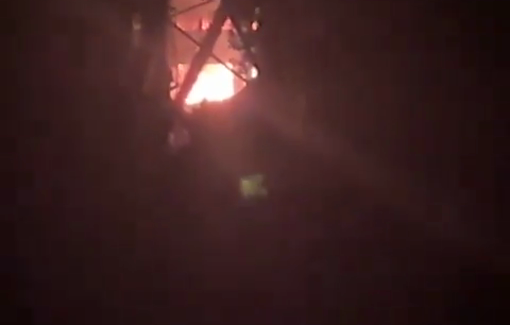
Video Report: Distressed screams were heard from residents trapped inside a residential building near the Al-Amal Hotel in west Gaza, after the building was engulfed in flames following a bombing by Israeli occupation aircraft.
Watch the video. https://x.com/qudsn/status/1828962221411410100
Family Tragedy: In a brutal assault last night, the Israeli army targeted the home of Shaker Abdo, who was killed three months ago. This devastating strike resulted in the deaths of Shaker Abdo’s wife, Mai, their young daughters Najwa (5) and Jana (4), as well as his father, Khalil Omar (63). The same attack also claimed the lives of Hossam Omar Abdo (53), his son Muhammad (15), and his daughter Ghazal (10).
Source : https://x.com/gazanotice/status/1829796744776860117
Casualty Report: Eight people, including children, were killed, and several others were injured after the targeting of homes belonging to the Jaradah and Abdo families near the Al-Amal Hotel in the Al-Rimal neighborhood of west Gaza City. The martyrs include:
- Mohamed Hossam Abdo
- Hossam Abdo
- Khalil Abdo
- Jana Shaker Abdo
- Hanin Jaradah
- Shaker Abdo's wife (Mai)
- 7+8 two daughters of Shaker Abdo (Najwa & Jana)
Details here : https://x.com/SafaPs/status/1829042212912484498
VIDEO: Screams of distress from residents inside a residential building in the vicinity of Al-Amal Hotel, west of Gaza, after they were surrounded by fire as a result of its bombing by occupation aircraft.
Initial Report: Urgent press coverage indicated that occupation aircraft bombed a residential building near the Al-Amal Hotel in west Gaza City.
Initial coverage.https://x.com/qudsn/status/1828957791123280160
Mohammad and Sumaya Abd Rabbo Assassination
Gaza, Nuseirat, Central Gaza
28 August, 2024
At least 2 martyred
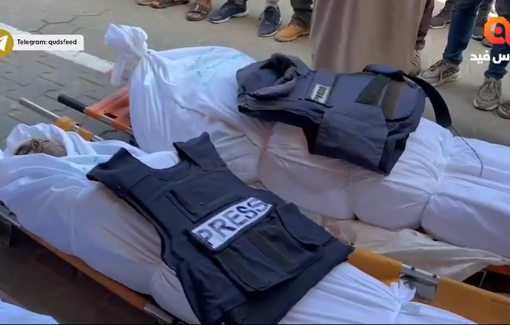
Palestinian journalist Mohamed Abd Rabbo and his sister Sumaya, both journalists, were killed this morning when the Israeli occupation army carried out an aerial attack on his apartment in Nuseirat refugee camp in central Gaza, the Palestinian Information Centre reported.
They were martyred in a raid targeting her apartment (Abu Dalal family) in the Nuseirat market, central Gaza Strip
In a statement, Gaza’s Government Media Office (GMO) said Abd Rabbo worked for Al-Manara Media Company, pointing out that his death brought to 172 the number of the Palestinian journalists killed since the Israeli genocidal war on the Gaza Strip started on 7 October 2023.
Sumaya Rabbo was a freelance journalist (@sumayaabdrabou) in Media and communication technology and a passionate advocate for women in journalism.
[source](https://www.middleeastmonitor.com/20240828-israel-kills-another-palestinian-journalist-in-gaza/)
[source](https://x.com/CFWIJ/status/1829060883584049537)