
Genocide .live


Pogroms and land theft in Sinjil
West Bank, Ramallah, Sinjil
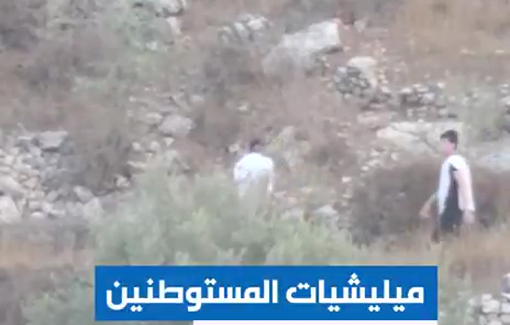
Confrontations occur daily and have intensified since Israel nearly sealed off the town of Sinjil with various barriers and fences in the early months of 2025. Sinjil is surrounded by illegal settlements and outposts and has been cut off from nearby Palestinian hamlets. Moreover, attacks and pogroms by settlers have been taking place on a daily basis for months. This is part of a broader intensification of ethnic cleansing in the occupied West Bank, where Israeli military and settlers are rapidly displacing, killing, and erasing Palestinian communities.
Attacks and pogroms on Wadi Sa'ir community
West Bank, Al-Khalil/Hebron, Sa'ir, Wadi Sa'ir
Wadi Sa’ir (also spelled Wadi al-Sa’ir or Sa’ir Valley) is located northeast of Hebron in the southern part of the occupied West Bank, Palestine. It’s a hilly and agricultural area known for its olive groves and vineyards. Wadi Sa'ir is close of the town of Sa’ir (or Saer) lies close to the valley, home to about 20,000 Palestinians.
The area has often been targeted by Israeli settlers from nearby settlements such as Asfar (Metzad) and Pnei Kedem, who attack farmers and destroy olive trees — particularly during the olive harvest season. Residents of Sa’ir said that the ongoing assaults by settlers and occupation forces are part of an ongoing effort to forcibly displace Palestinians from their lands to make way for settlement expansion. They noted that similar attacks are often carried out by settlers from “Asfar” and “Kedumim,” including the theft of dozens of sheep.
### **Timeline of the main incidents:**
**In October 2023,** the Israeli army closed the main historical road leading to Jorat al-Khail, which branches from Wadi Sa'ir. An army bulldozer was used to block the road, forcing residents to find alternative, difficult, and long routes to transport their needs and livestock supplies, significantly increasing transportation costs.
**In April 2024**, settlers attacked his brother Ibrahim (60 years old) while he was herding the family's livestock. Five masked settlers attacked him, and Ibrahim fled to protect his life (he had previously been physically assaulted by settlers). The settlers chased the herd, and by evening, they gathered the herd back into the pen. Upon counting, they found that six goats had been stolen by the settlers.
**On the evening of Sunday, July 14, 2024**, Israeli soldiers raided the village, gathered its residents, and informed them that they would set up checkpoints around the settlement. They planned to count the residents and prevent non-residents from entering, aiming to restrict communication with these residents and pressure them to leave.
**On April 26, 2025**, settlers from Asfar settlement injured three Palestinian farmers in Wadi Sa’ir, in Hebron governorate, using stones and sticks, and damaged their vehicle.
**On June 30, 2025**, around 12 pm, a group of settlers from colonial outpost located on Sa’ir town lands set fire in the farmers’ lands, causing severe damages. They attacked ‘’Jourat Al Khail‘’ community east town, they were forced displacement due to these attacks, as the Israeli soldiers pursuing them and deporting settlers from the community, then settlers came back and set fire in agricultural lands, to preventing them from attacking what remains in ‘’Jourat Al Kail’’.
**On July 12, 2025**, Settlers set fire to Palestinian homes in Wadi Sa'ir.
**On August 18, 2025,** settlers set fire to Sa’ir lands (vineyards, olive, almond) in Wadi Saʿir area. WAFA reports that dozens of them from “Asfar” and "Kodufim," stormed Wadi Sa’ir and burned 10 dunums belonging to the Shalaldeh and Tarwa families, and that dozens of sheep are being stolen.
**On September 1, 2025**, in the evening, dozens of settlers from the “Asfar” settlement stormed Wadi Sa’ir and torched dozens of dunums planted with grapevines, almond trees, and olive trees. The lands belong to the Shallaldeh and Al-Tarwa families, among others.
**On October 27, 2025** Wadi Sa’ir witnessed the establishment of seven new settlement outposts, turning the area into a "closed military zone" & preventing farmers from accessing their lands & harvesting olives under threat of force.
**On November 17, 2025,** a number of citizens were injured, and a house and two vehicles were burned in an attack carried out by settlers, protected by occupation forces, on the town of Sa'ir northeast of Hebron. Citizen Issa Shalaldeh told the official agency that a group of settlers attacked his family’s homes in the "Wadi Sa'ir" area, burning the house of his son Naseem and two family vehicles. The settlers assaulted the locals with batons and sharp tools, which resulted in injuries to several women, as well as causing significant damage to property. Israeli forces prevented ambulances and firefighting vehicles from reaching the "Wadi Sa'ir" area.
Harassment of the Palestinian activist Issa Amro
West Bank, Al-Khalil/Hebron
Issa Amro is a Palestinian human rights activist from Hebron, in the occupied West Bank.He is best known for promoting nonviolent resistance against the Israeli occupation and for documenting human rights abuses in Hebron.
He continues to live in Hebron, where his home and neighborhood are frequently targeted by Israeli settlers and military restrictions.
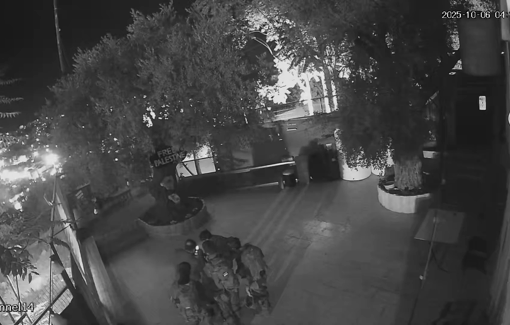
On October 2025, Parts of the area around his home have been declared a “closed military zone”, limiting his movement and activities.
**Background and Work**
Born in 1980 in Hebron’s Old City. He is the founder and coordinator of Youth Against Settlements (YAS), a grassroots group that organizes nonviolent protests, media tours, and human rights documentation in areas heavily restricted by Israeli forces and settlers. The group’s mission is to end segregation in Hebron, particularly on Shuhada Street, which Palestinians are largely banned from accessing.
Amro frequently speaks to international delegations, journalists, and human rights organizations about the daily realities faced by Palestinians under occupation.
**Arrests and Harassment**
Amro has been arrested and tried multiple times by Israeli military courts for his activism — charges that human rights groups like Amnesty International and Human Rights Watch describe as politically motivated. He has also faced detention and intimidation from the Palestinian Authority, which has been criticized for repressing dissent.Amnesty International and the United Nations have called for an end to his harassment by both Israeli and Palestinian authorities.
**Recognition**
Amro has received several international awards and nominations for his commitment to peaceful activism. He has been praised by figures such as Bernie Sanders and Noam Chomsky, and has spoken at the United Nations and universities worldwide about nonviolent resistance.
On September 2025, Issa Amro was included in the Time 100 Next list in the category "Leaders". The Gala toke place on October 31, in New York.
*"Thirty miles east of the Gaza Strip stands another cauldron: Hebron, the largest city in the West Bank, is inhabited by 200,000 Palestinians, 800 Jewish settlers, some 1,000 Israeli soldiers, and Issa Amro, who exists as a category of his own. A student of Mohandas Gandhi and Martin Luther King Jr., Amro is far from the only Palestinian to embrace nonviolence. Polls show millions share his preference for a peaceful resolution to decades of conflict over Israel’s presence in the West Bank and Gaza. But few have had their conviction tested so sorely. As the founder of Youth Against Settlements, Amro spreads a gospel of resilience, passive resistance, and stubborn presence in one’s home. His philosophy stands in opposition to aggression from both settlers and soldiers, one of whom, right on camera, threw him to the ground and started kicking. Labeled a “provocateur” by the Israeli military, the activist has been honored by organizations from the European Union to the U.N. “See us as human beings,” Amro said, receiving the Right Livelihood Award in Berlin in June. “And see us as a nation.”*

Settler attack on the Ein Samyah spring and community
West Bank, Kafr Malik, Ein Samiyah
The Ein Samia spring in the West Bank, a vital water source for around 100,000 Palestinians across 33 villages, is under systematic attack by Israeli settlers. Settlers have vandalized infrastructure, smashed pumps and pipelines, stolen equipment, and restricted water access to Palestinians, transforming parts of the area into recreational spots for themselves. These assaults have forced the Jerusalem Water Authority to halt pumping operations to ensure water safety, exacerbating water scarcity for Palestinian communities.
Ein Samia is historically and culturally significant, with wells producing 12,000 cubic meters daily. Palestinians face severe inequalities in water access compared to settlers, whose consumption is six to eight times higher. Settler attacks, combined with Israeli-imposed road closures and military zones, have prevented timely repairs, deepening the water crisis.
Residents report rationing water for drinking and ablution, purchasing costly water tanks, and suffering psychological, physical, and economic hardships. Local authorities have subsidized water tanks to help vulnerable families, but attacks persist.
Experts describe this as a deliberate, state-supported campaign to control Palestinian land and water, framing it as a tool of displacement. Authorities and residents call for international protection, equitable distribution, and legislation to safeguard water security.
Ein Samia is not only a critical water source but also a symbol of Palestinian resilience, cultural heritage, and the struggle against systematic settler aggression and unequal resource control.
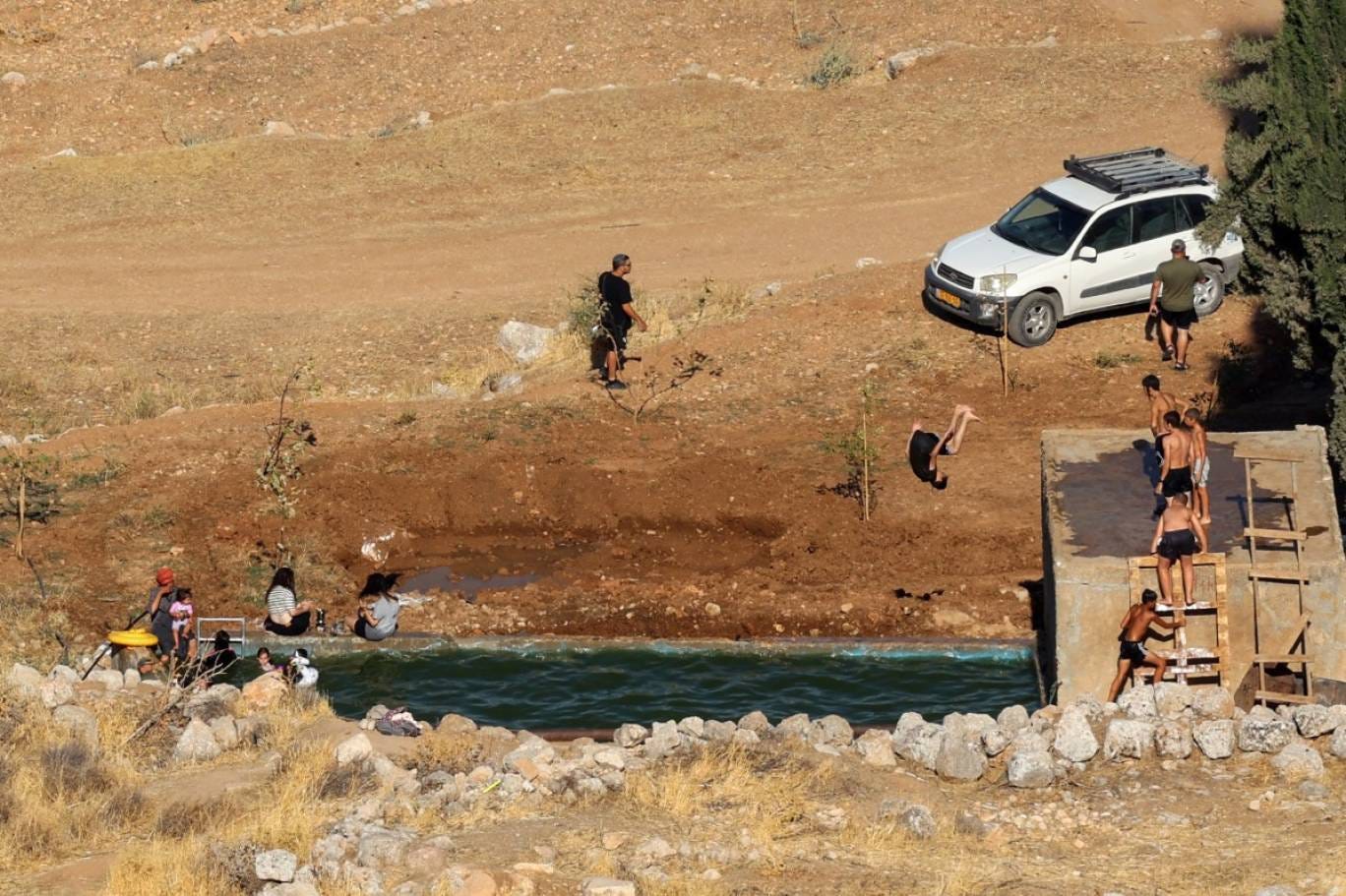
*Israeli settlers swim in the Ein Samia spring near the village of Kafr Malik in the occupied West Bank (AFP).*
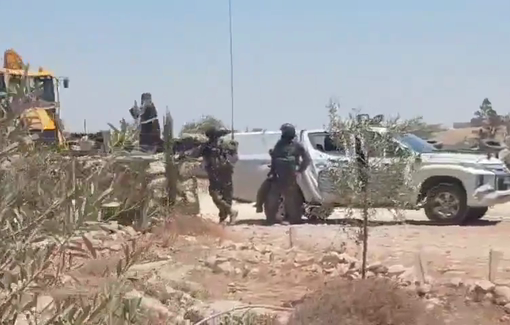
Settler attacks on Huwarah (Masafer Yatta)
West Bank, Al-Khalil/Hebron, Huwara (Masafer)
**On May 24, 2025**: According to Masafering: *"Last night settlers invaded agricultural land called Huwara, near the village of Al-Deirat, located east of Yatta. They cut down more than 100 olive trees, destroyed many agricultural fences, broke the cover of a water cistern, and fled. The extensive damage to the olive trees and fences comes at a time when Shimon Atiya and youths from his outpost invade these vineyards on a daily basis with their flocks."*
**On Augustus 19, 2025:** A new settler outpost was established in Hawara, near Dirat, on private Palestinian land with open support from the occupation authorities. Shimon Atiya brought furniture, water tanks, and other equipment to the site. Issachar Man and employees of the Mount Hebron Council also participated in the construction. Settlers drilled holes in the fence of a nearby Palestinian house and placed Israeli flags. Residents fear the outpost will block access to their farmland and that Atiya and his group will terrorize them in their homes.
**On July 7, 2026**, Israeli settlers and Israeli forces raided the village of Huwarah in Masafer Yatta. The residents were brutally assaulted after settlers raided Palestinian-owned land. Eight Palestinians were reportedly injured, and two others were arrested
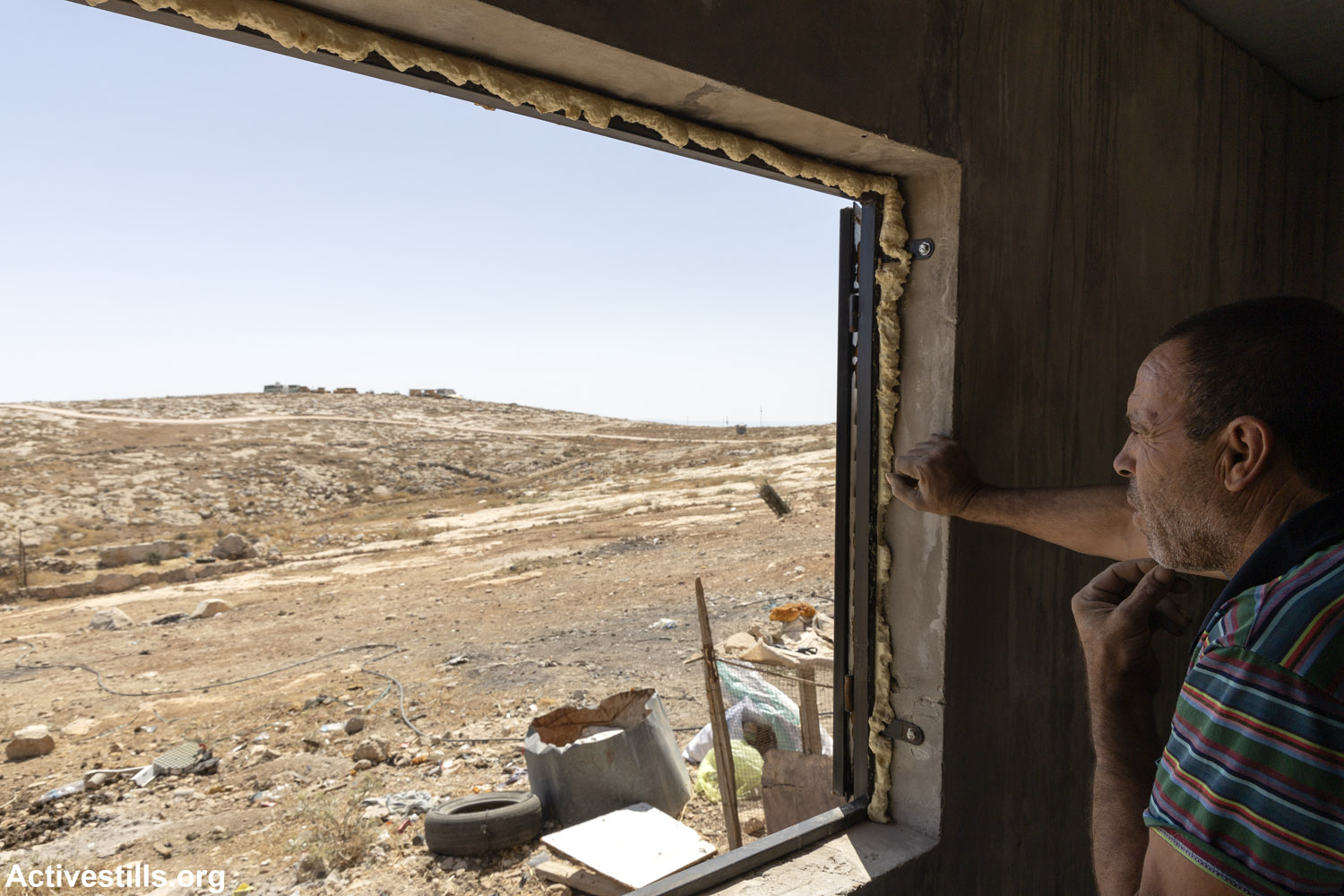
Israeli settlers attacks on Wadi Tiran in Masafer Yatta
West Bank, Masafer Yatta, Al-Khalil/Hebron, Wadi Tiran
In Wadi Tiran (Masafer Yatta, south of Hebron), Palestinian shepherd families have faced escalating settler harassment since October 2023. Settlers from the nearby Havat Yehuda outpost graze sheep on Palestinian fields, reducing grazing for local animals, and sometimes use military personnel to enforce claims. Families report threats, home intrusions, property damage, destruction of the only village road, and drones monitoring daily life. Children have been endangered by settler flocks and dogs. These actions have created fear and insecurity, with some neighboring families already displaced.
**On November 12, 2023:**
Israeli settlers attacked the Palestinian herding community of Wadi Tiran, in the southern West Bank. This is after 2 threatening visits the day before. Israeli Police did nothing though residents reported specific individuals. They caused damages on resident vehicles.
**On March 1 2024:**
In the morning, a settler came from the direction of “Meitarim Farm” outpost to the wheat fields of Wadi Tiran village. He drove away the village children and the flocks and ran over one boy's foot before fleeing the scene. The outpost, "Meitarim Farm" is home to Yinon Levi and Eili Federman, who are under US sanctions after Levi *"led a group of settlers that engages in intimidation."* According to the UK, Feldman *"was involved in a large number of incidents against Palestinian shepherds in the South Hebron Hills."* Together with other youths, and with the full support and assistance of the army, Levy and Friedman have expelled five Palestinian villages in the area. Wadi Tiran is the only village around whose residents have not yet fled.
In the afternoon, a few hours after the sheep herd was expelled in Wadi Tiran, settlers returned to the village. This time they came on horseback, and drove out the herd again. All this happens with the knowledge and encouragement of the IDF, which monitors and follows and intervenes only when the settlers' thugs are in danger.
The police did nothing when the settlers expelled the five villages. The police did nothing when Yinon Levi blocked off Wadi Tiran from all sides with a bulldozer. The police did nothing when settlers came down and attacked the village, vandalizing vehicles and threatening to murder residents.
**On March 11, 2024:**
A convoy of bulldozers arrived in the village of Wadi Tiran to demolish a residential room in the house of an old man who was born in the village long before the occupation of the West Bank.
**On March 24, 2024:**
During Purim, settlers entered the village of Wadi Tiran on an ATV, allegedly armed and drinking alcohol, drove out local residents who were grazing livestock, and tampered with a community water cistern, possibly trying to place something inside it (unclear what).
**On June 8, 2024:**
Ynon Levi, armed with a pistol, and Eili Federman, two settlers from the Meitarim Farm outpost who were responsible for the expulsion of several villages at the beginning of the war, harassed the residents of Wadi Tiran while they were harvesting their hay on privately owned land near the village of Shuweika.
**On September 27, 2024:**
Just after having forcibly expelled hundreds of residents from Zanuta (Masafer Yatta), setters have started to harrass additional Palestinian communities in the area in order to appropriate their land. This settler attacked a family in Wadi Tiran and then blocked Rabbis for Human Rights activist from accessing the area.
**On February 5, 2025:**
Masked settlers near Al Dhahriya abducted a young shepherd from Wadi Tiran, blindfolded and tied him, and mocked him while accusing him of grazing on land they sought to seize. The land had long been farmed by his family, but a settler from the nearby Havat Yehuda outpost recently plowed it to claim control. After detaining him for about an hour, the settlers drove him around, mistreated him, and eventually abandoned him several kilometers from his home.
**On Augustus 5, 2025**
Settlers on an ATV stormed into the village lands, speeding and sounding loud sirens to torment the residents and their livestock. The abuse of the residents of Wadi Tiran—a small community on the outskirts of the town of Dhahiriya has been intensifying again recently, and the access road to the village was blocked months ago by settlers from the Meitarim Farm outpost. Since the nearby village of Zanuta was expelled, the residents of Wadi Tiran have experienced violence, property damage, and threats, in addition to frequent incidents of flocks being driven off their grazing lands and repeated acts of intimidation.
**On September 12, 2025:**
In the evening, settler women on an ATV (arboring the "Third Temple" flag) invaded the village of Wadi Tiran; one of them cut a barbed-wire fence in a Palestinian residential compound and entered it with her companions, waving a box cutter proudly.
**On March 7, 2026:**
In the morning, the settler Elyashiv Nachum threatened the residents of Wadi Tiran, warning them not to graze their flocks on the privately owned Palestinian lands surrounding the village.
**On April 24, 2026:**
Settler Elyashiv Nachum, the owner of the “Havat Yehuda” outpost, along with other settlers, are invading private Palestinian land in the village of Wadi Tiran with a tractor and harvesting wheat in an attempt to take control of the area.
**On May 10, 2026,** a settler from Havat Yehuda outpost threatened residents, telling them they had a few days to pack their belongings and leave - or the settlers would bring in the army to forcibly expel them.
**On May 11, 2026,** An Israeli settler from the outpost of Havat Yehuda, accompanied by soldiers, entered the Palestinian homes at night, operated a drone over the village in the morning, and later returned with the army while attempting to find pretexts to expel solidarity activists. They grazed their flocks on privately owned Palestinian land, while Palestinian residents are prevented from grazing and are forced to keep their livestock confined in pens.
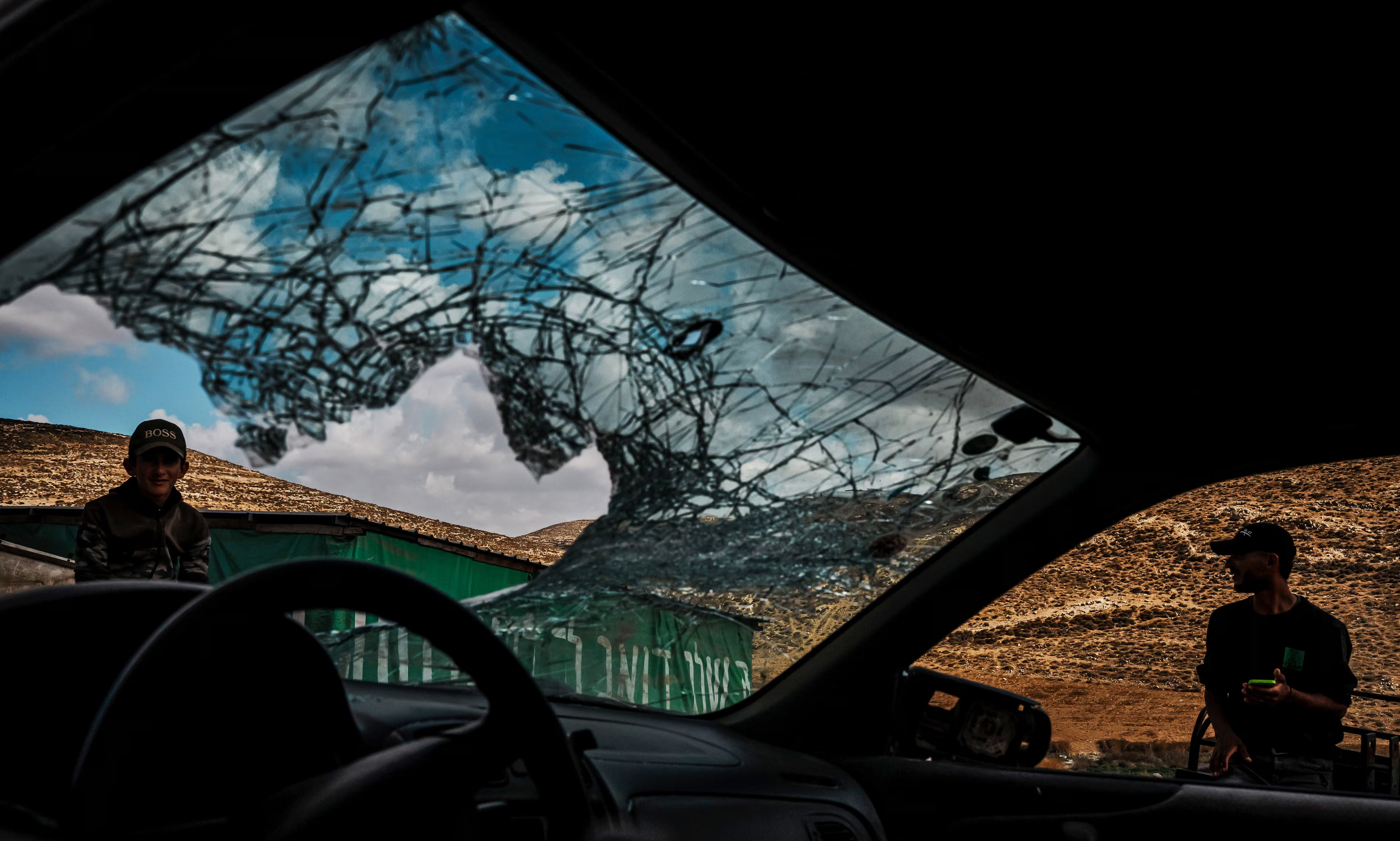
Harassment of Shi'b al-Butum and Umm Darit communities by Israeli settlers & soldiers
West Bank, Masafer Yatta, Al-Khalil/Hebron, Shi'b al Butum
Shiʿb al-Butm (AKA Sha'ab al-Butum) and Umm Darit are small Palestinian herding communities located in the Masafer Yatta area of the South Hebron Hills in the West Bank, within Area C under full Israeli control. They have been the subject of repeated reports of harassment and pressure linked to nearby Israeli settler outposts and settler activity in the surrounding hills. Documented incidents include intimidation of shepherds, attacks on residents, damage to property and livestock, and restrictions on access to grazing land, which is essential for their livelihoods. Human rights organizations describe a broader pattern of sustained pressure, especially in recent years, involving both settlers and the broader security environment, contributing to what they characterize as a coercive context that increases the risk of displacement. This situation has been widely reported by UN bodies and human rights groups as part of a wider trend of escalating settler violence and land pressure in the South Hebron Hills.
Umm Darit is located near the village of Shi‘b al-Butum, and its residents suffer from frequent harassment and severe violence by settlers, who mostly come from the outpost “Droma,” established by the settler Amichai Shilo just a few hundred meters from the homes.
The village is also the target of the Bejnamin
**On February 2025**, Amnesty International stated that "The Palestinian community of Shi’b Al-Butum in Masafer Yatta is at imminent risk of forcible transfer due to increasing state-backed settler attacks, as well as home demolitions, restrictions on access to land and illegal settlement expansion by the Israeli authorities, Amnesty International said today. This herding community, home to some 300 Palestinians, is one of the 12 communities that make up the area of Masafer Yatta, south of Hebron, and that for decades has been subjected to growing state-backed settler attacks and oppressive measures by the Israeli authorities. Since 7 October 2023 the situation has significantly worsened. Unless measures are immediately taken to hold violent settlers accountable, stop home demolitions and the expansion of nearby settlements, this community – like others in the area – will be forcibly displaced. The situation of the Shi’b Al-Butum community is a microcosm of what Palestinians, in particular herding and Bedouin communities, are facing across most of the occupied West Bank. Settlers trespass on their land, vandalize and steal their property, harass and physically assault them with total impunity.
## **Timeline of the events:**
**On February 2024,** in the evening, settlers arrived at a family home in Umm Darit near Shaab al-Butum, attacked the family with stones, and attempted to run over shepherds and their sheep. Later, settlers in uniform arrived, and together they took the father and his son toward a nearby settlement on an ATV. Shortly afterward, dozens of armed settler-soldiers, including Bezalel Talia, entered Shaab al-Butum, moved through homes with weapons drawn, destroyed property, and reportedly detained another resident. The fate of the three taken residents remained unknown at the time.
On May 30, 2024, a new illegal settler outpost known as the Ma'ahaz Ha-Otobus” (מאחז האוטובוס), is expanding near Sh'ib al-Butum and Umm Darit, with the army's tacit protection. Settlers are building openly, while soldiers and Bodi (Benjamin Bodenheimer), the security coordinator (ravshatz) of Avigayil, observe without intervening. The outpost's expansion is part of ongoing efforts to intimidate and displace Palestinian residents through attacks, arson, land-access restrictions, and arrests.
**On July 8 2025,** israeli settlers release their livestock among fruitful trees owned by Palestinians in Khirbet in the Shaab al-Butm area of Masafer Yatta, south of Hebron in the occupied West Bank.
**On July 24, 2025,** group of settlers in the Sh'ib al-Butum area in Masafer, the town of Yatta, attacked citizens’ homes and threw stones at the windows of homes and solar panels, which led to the elderly citizen Sabiha al-Najjar - sustaining bruises, and she was subsequently transferred to the hospital for treatment.
**On June 5,** 2026, the Israeli army forces arrested two Palestinian brothers, Muhannad and Fadi Al-Jabarin, after Israeli settlers stormed their house, destroyed their property, and assaulted the family in the Shi'ab al-Butum area of Masafer Yatta.
**On July 6, 2026,** Israeli settlers left severe damage on a home after invading the village.
**On Augustus 2, 2026,** arounf 12:40, a delivery guy from al Fawar refugee camp, Adham Tawfiq al-Wawi, was attacked by settlers while driving near the village of Sh'ib al Buttum, in the Wadi area of Ma'in village in Masafer Yatta. He was driving on the main road when a settler pick up cut him on the road, forced him to the side of the road and then 2 settlers came out with rocks and broke the car windows and hit him. They also poured sand into the car's engine and reportedly stole money. They severely beat him, causing injuries and bruises, and he was transferred to a hospital for treatment. They also smashed the windows of his vehicle.
An Israeli settler released livestock near residents’ homes.
**On Augustus 4, 2026,** Israeli forces, accompanied by military vehicles and bulldozers, stormed the Shaab al-Butum area and began demolishing the school building as part of the ongoing targeting of educational institutions in Masafer Yatta.

Settlers attacks and provocation in Tuba
West Bank, Al-Khalil/Hebron, Khirbet al-Tuba
Settlers from the Mishkeh Man outpost, including Yissakhar Man, are used to invade the Palestinian village of Tuba, some armed, entering private courtyards and watering their flocks at the villagers’ water source.
These actions are part of a recurring pattern: provocations meant to elicit a reaction from residents, followed by settler violence, arrests, and full cooperation from Israeli police, army, and media.
In recent months, Tuba has faced ongoing settler violence, including arson, physical assaults, arrests of victims, and daily expulsion of shepherds from grazing lands.
### **Chronology of the events**
**July 21, 2024**
After dark Yissakhar Man arrived in the village of Tuba and went on a rampage with his ATV, at one point dangerously and threateningly accelerating toward a 16-year-old boy.
**August 9, 2024**
The settler Yissakhar Man and another settler from the Mishkeh Man outpost invaded the lands of the village of Tuba with their flock, watering the sheep at the village’s water cistern. The settlers were accompanied closely by uniformed bodyguards: settler-soldiers.
**On April 5, 2025**
About ten settlers, among them Yissakhar Man — one of the owners of the outpost Mishkeh Man — invaded the village of Tuba today, some of them armed, and entered the courtyards of homes. The police made sure to show up the moment the settlers had already left the area.
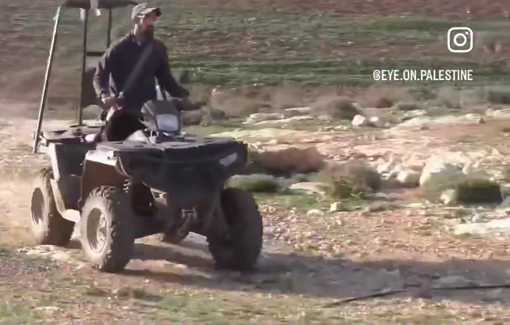
Recurring attacks on Jawaya area (Masafer Yatta)
West Bank, Masafer Yatta, Wadi Al-Jawaya
**On June, 2024:**
Israeli forces demolished a large residential home in Jawaya. During the demolition, they also found an opportunity to beat some of the residents
**On July 5, 2024**
Footage shows Israeli settlers attacking a group of foreign peace activists visiting the Palestinian village of Al-Jawaya south of Al Khalil in the occupied West Bank.
**On July 21, 2024**
In the morning, a bulldozer working for settlers flattened land belonging to the village of Jawawiya. The work is taking place right next to the vast area already allocated to Yissakhar Man — at the expense of Jawawiya’s grazing lands — where a vineyard was planted over two years ago. As far as we know, the work is illegal even under Israeli law, and certainly under international law.
**On Augustus 5, 2024**
Destruction of a water cistern today in the village of Jawaya.
At the height of summer, Israeli demolition forces arrived to destroy a cistern used by the residents of Jawaya, who cannot connect to a regular running water supply because the occupying forces refuse to allow them to develop an organized water system.
**On Augustus 8, 2024**
IDF demolition vehicles destroy a water well in the Wadi Al-Jawaya
**On March 15, 2025**
- Israeli settlers with ATV quad chased Palestinian shepherds in Jawaya village.
- According to Waffa, Israeli sttlers, under the protection of Israeli military forces, attacked shepherds in the Masafer Yatta region, south of Hebron, forcing them at gunpoint to leave their lands.
- Osama Makhamreh, an anti-settlement activist, told WAFA that settlers assaulted the family of Ahmad Barghash al-Shawahin while they were herding their livestock in Wadi al-Jawaya. The settlers chased them and forced them, under threat of weapons, to abandon their land.
- According to Osama Makhamreh, heavily armed settlers also stormed Khirbet al-Tuba, terrifying children and women.
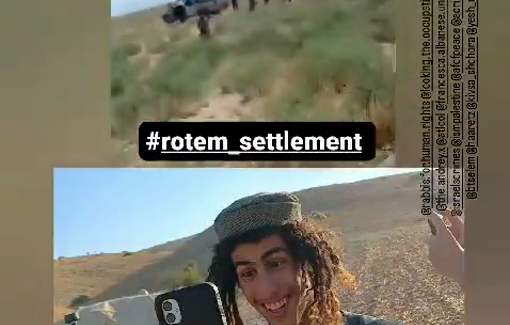
Harassement of Farsiya communities
West Bank, Jordan Valley, Khirbet al-Farsiya
### Rotem (Hebrew: רותם)
is an Israeli settlement in the West Bank. Located in the northern Jordan River Valley along the Allon Road south-west of Shadmot Mehola, it falls under the jurisdiction of Bik'at HaYarden Regional Council.In 2022 it had a population of 275. The international community considers Israeli settlements to be illegal under international law.
### Tene Yarok Farm of Didi Amosi (father of Gilad Amosi)
About a decade ago, Didi Amosi established the Tene Yarok farm near the settlement of Rotem in the Jordan Valley. In recent years, residents of Palestinian communities from the area have testified about the harassment and expulsion of their herds by settlers who came from the direction of the outpost. Didi Amosi, who was also the security officer of the Rotem settlement, was reprimanded a few years ago for attacking an activist from the Jordan Valley activists group who accompany Palestinian shepherds who are suffering from bullying and harassment by settlers and the authorities. Last December, a settler who came from the direction of the outpost attacked two activists near the Farisiyah Palestinian community, and they needed hospital treatment.
Recently, a Palestinian family from the Farisiyah community, near which the outpost was established, was forced to leave their homes.
In this video, Didi is seen driving into a herd of sheep and then attacking an activist and throwing his phone.
### Chronology of the expansion of Rottem Settlement violence
**In 2016,** Israel has announced a new master plan for expanding the Rotem colony in the northern Palestinian Jordan Valley, seizing 1,574.3 dunums of Palestinian land that was originally confiscated in 1980 for "military purposes." The plan includes residential expansion, tourism, agricultural and industrial facilities, and public spaces. Rotem, initially a military base, later became an agricultural settlement and continues to receive significant state support, while Palestinians in the area face severe restrictions. The expansion violates multiple UN Security Council resolutions and international law, which prohibit Israeli settlements in occupied Palestinian territories.
**On February 20217**
Israeli settlers from Rotem colony have begun establishing a new outpost to the west of Rotem, in the Palestinian area of Wad Al-Malih, Tubas governorate. The settlers have set up two caravans as the initial step in taking over more Palestinian land. This expansion violates Palestinian land rights and threatens further land confiscation. The Israeli government's support for such outposts, through proposed legalization bills, accelerates the process of settlement expansion. This is part of a broader pattern of Israeli colonization in the West Bank, which contravenes multiple UN Security Council resolutions and international law prohibiting settlements in occupied territories.
**On April 19, 2022**
Israeli settlers installed two caravans in the Ihmayyer area, part of Palestinian land belonging to the Al Farsiya community. This marks the beginning of a potential new settlement, a process that has been repeated in nearby areas, like Maskiyyot. Over time, such settlements grow, leading to the construction of permanent housing, roads, and other infrastructure, all supported and protected by the Israeli military. This expansion is part of a broader policy of land confiscation and ethnic cleansing aimed at displacing Palestinian communities from the Jordan Valley.
On the same day, Israel's National Nature Assessment Program declared the nearby Ein El-Hilwe area a nature reserve, renaming it after Israeli colonies and erasing the Palestinian presence. This follows a history of restricting Palestinian access to the land, which had previously been declared a closed military zone. The community is concerned that the installation of the nature reserve sign is the first step in further restricting their access and control over the land.
**On March 2024**
Luai Abu Muhsen, a 42-year-old resident of al-Farisiyah, describes the ongoing harassment and violence his family faces from Israeli settlers in the area, especially over the past two years. They are frequently blocked from accessing pasture, beaten, and their tractor has been confiscated twice. On December 17, 2023, while tending to their sheep, settlers in a pickup truck deliberately ran over two sheep and attacked Luai's brother, Barakat, with a sharp object, causing a deep wound. Despite calling for help, the Israeli police and army arrived but did nothing, demonstrating their collaboration with the settlers.
Luai expresses frustration, noting that settlers have fenced off their land, making it harder to sustain their livestock. The settlers have become dominant in the Jordan Valley, and the Abu Muhsen family feels unsupported by authorities. Other families have been forced to leave due to threats and violence, and Luai highlights the lack of action from the Israeli authorities. Recently, Israeli activists have been staying in the community to offer protection, but the settlers’ violence continues, including destroying tents and intimidating those who attempt to support the Palestinian community.
**On Augustus 21, 2024**
The Norwegian Refugee Council (NRC) has reported that recent settler violence in the occupied West Bank has led to the "largest forcible transfer" of Palestinians since October 7.Three Palestinian communities, totaling 119 individuals, have been displaced in the last ten days due to attacks by illegal settlers who established new outposts and blocked access to water.
Two communities, *Al-Farsiya Khallet Khader* and *Al-Farisiya al-Zu’bi*, have been completely abandoned, while only one family remains in *Ein al-Hilweh – Um al-Jmal*. The NRC holds Israel responsible as the occupying power for the actions of the settlers, emphasizing that these actions are a grave violation of international law. The violence has displaced or put at risk the remaining 18 communities in the Al-Maleh region, causing significant damage to Palestinian livelihoods and violating their rights. The NRC also highlighted that humanitarian aid worth nearly a quarter of a million euros has been affected or destroyed by settlers. The organization has called for Israel to shut down illegal settler outposts, investigate settler attacks, and hold perpetrators accountable. Additionally, reports revealed that illegal settlers have intentionally started 273 fires on Palestinian land since October 7, contributing to further violence and displacement.
**On March 2, 2025**
Israeli settlers released their livestock into the rain-fed crops of Palestinian farmers in Khirbet al-Farsiya village, located in the northern Jordan Valley, region, northeast of the occupied West Bank.
They grazed their sheep in the Palestinian agricultural fields, causing significant damage to the crops.
Settler routinely allow their livestock to graze in Palestinian farmland, leading to considerable losses. Annually, they destroy hundreds of dunums of agricultural land in the northern Jordan Valley, in addition to blocking Palestinian farmers from grazing their livestock, raiding their homes, intimidating families, and attempting to steal livestock.
**On March 26:**
- Three settlers, led by Gilad Amosi, invaded the Palestinian village of al-Farsiya at 01.00 A.M., one of them drove around on an ATV, shouting at residents and human rights activists. Then the settlers set up camp on the hill 50 meters away from the village.
- The activists confronted the settlers, who called Israeli police. The police arrived, questioned the activists, got their ID numbers and left. For the next 2.5 hours the settlers sat on the hill and the activists monitored them from the village.
- At 03.30 A.M. one of the settlers, armed with an M16 assault rifle, invaded the village once again. When he was confronted by the activists and residents, he started pushing them, and then hit three people with the barrel of his gun. All three sustained minor injuries. The settler then cocked his gun and pointed it at the activists and residents, including children. After being further confronted and filmed by the activists, he retreated back to the hill.
- At 06.00 A.M. Israeli Occupation soldiers invaded the village together with the police. They once again pointed weapons at the human rights activists, threatened and pushed them. Israeli police arrested one of the activists.
- This is part of an escalating campaign of ethnic cleansing of the Jordan Valley. Almost daily, the Palestinian village of al-Farsiya is being targeted by settler terror, spearheaded by settler leader Didi Amosi (see picture, left), and the security coordinator of the settlement Rotem Daniel Ran (see picture, right). Several Palestinian communities in the area have already been expelled, and without urgent intervention, the same will happen to al-Farsiya.
**On Augustus 13, 2025:**
at around 3am, settlers attacked one of the families in Khirbet Al-Farsiyya, resulting in the injury of one of the Palestinian residents. Ten settlers descended the hill toward the family’s tents without using lights, going completely unnoticed by the residents who were sleeping. They attacked Shamekh Daraghmeh’s eldest son, Mustafa. The settlers were dressed in dark, military-style clothing and had their faces covered. While Mustafa was lying in bed, they pepper-sprayed him, attempted to strangle him with a metal chain, and cut his leg with a sharp object, causing an injury in his leg that required four stitches. As soon as other family members awoke and found the settlers right outside their tents, they resisted the attack. The assailants quickly fled, running back over the hill toward the outpost from which they had come. The families in Al-Farisiya are under constant threat of being evicted or attacked by settlers. Just a few weeks earlier, Abu Mustafa Daraghmeh was assaulted by a group of settlers while shepherding his herd. He sustained multiple injuries and 17 of his sheep were stolen.