
Genocide .live

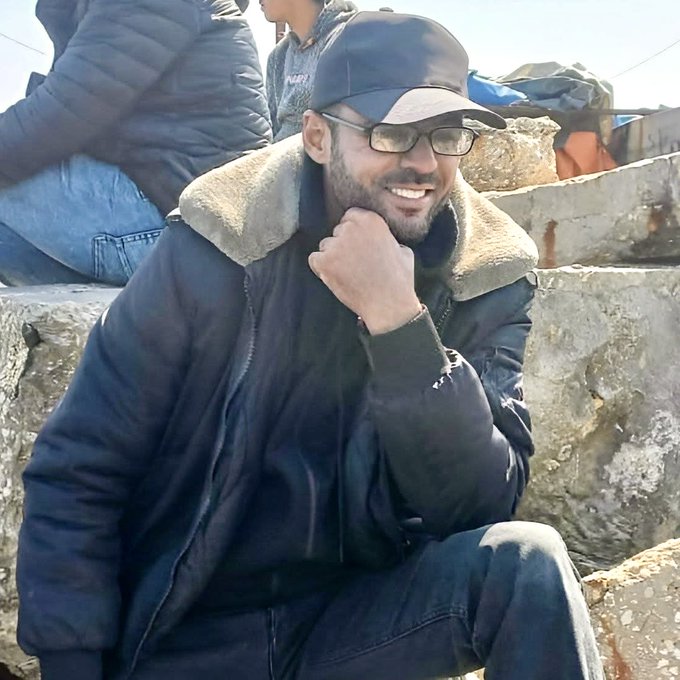
Israel murders local police captain in Gaza City
Gaza, Gaza City, Al-Jalaa
05 May, 2026
At least 1 martyred
Around 1:40 am, an Israeli airstrike targeted a gathering of people at the inetrsection of Al-Jalaa and Al-Oyoun streets in Gaza City, killing Police Captain Muhammad Jamal Al-Ghandour.

Summary execution of Nayef Firas Ziad Samaro during a raid on Nablus
West Bank, Nablus
03 May, 2026
At least 1 martyred
On May 3, 2026, around 11:40, the Israeli forces stormed the city of Nablus, where confrontations took place with citizens, while raiding and searching a number of shops, which led to the death of a citizen and the wounding of 6 others (including 3 children and a seriously injured citizen).
The Israeli forces stormed the city from the Deir Sharaf checkpoint, stationed themselves on Asira Street, and deployed in the area, amid a raid on a number of shops in Al Ain Camp and Sufyan Street in the middle of the mall, in light of traffic congestion and active movement of passers-by and shoppers.
In the very center of Nablus, a very busy shopping street, the Israeli forces fired live and rubber-coated metal bullets, stun grenades, and tear gas at citizens, under the pretext that they had been stoned.
The Ministry of Health reported that the young man, Nayef Firas Ziad Samaro (26 years old), was martyred; he was critically injured in the head area by occupation bullets, in addition to four other injuries: one in the pelvis, another in the chest, and two injuries to two children.
The wife of the martyr Samaro was undergoing an operation at Rafidia Hospital in order to give birth to her baby when her husband went out to find things for the baby. In the same hour his wife gave birth, he was shot dead in the head near the hospital.
## **Casualties:**
**Name of the martyr:**
Nayef Firas Ziad Samaro, 26 years old.
**Wounded:**
The 6 wounded are: Id Khaled Al-Sakhl, 15 years old; Muhammad Salim Damra, 17 years old; Muhammad Shadi Kamel; Wadih Abu Al-Saud, 15 years old (seriously wounded); Nidal Raafat Sidqi Nimr; and Mayar Ihab Takrouri.
**Funeral:**
On the evening, the masses of Nablus residents mourned the body of Nayef Firas Ziad Samaro (26 years old). He was transferred to his final resting place in Al Ain Camp in the center of the city. The martyr's funeral began in front of Rafidia Governmental Hospital with wide official and popular participation, amid chanting of patriotic slogans. In a touching scene that embodies the scale of the tragedy, the martyr’s wife was in the delivery room receiving their new baby at the same moment her husband was bleeding as a martyr, mixing feelings of joy with sadness in an image that summarizes the suffering of the Palestinian people.
Nablus Governor Ghassan Daghlas stressed, during his participation in the funeral, that these crimes will not break the will of our people, stressing the need for unity in the face of the occupation’s continuing attacks.
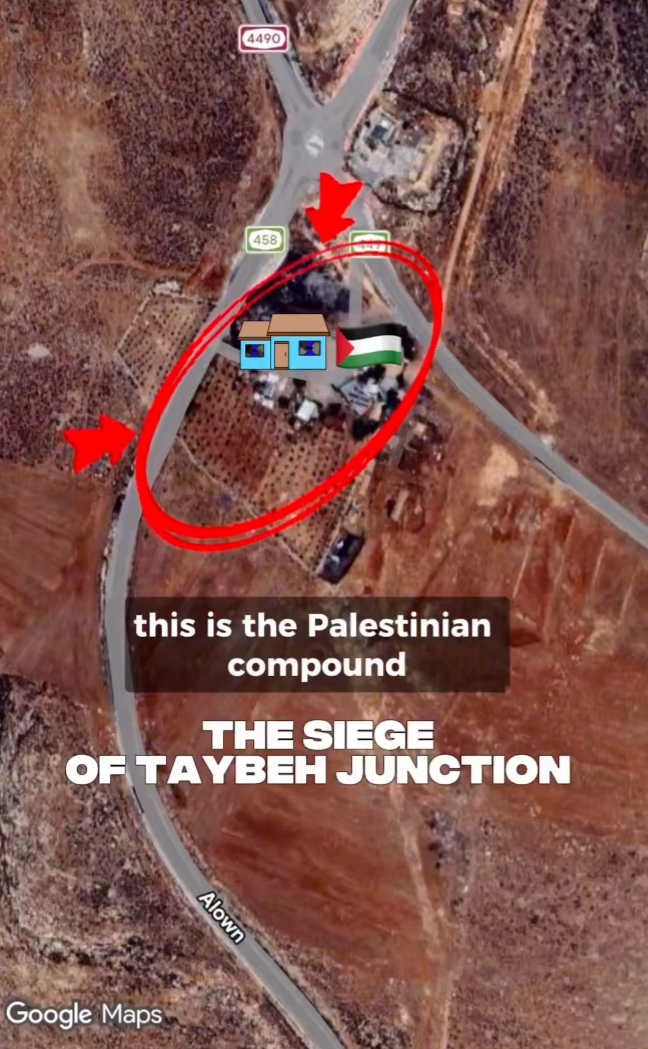
Settler pressure on the Christian village by occupying the Taybeh Junction (May 2026)
West Bank, Ramallah, Al-Taybeh, Dar Faza'a
02 May, 2026
In Taybeh, one of the few Palestinian communities with a Christian majority in the occupied West Bank, are under and a growing pressure by illegal settlers backed by Israel. Attacks on farmland and property could push more families to emigrate, threatening the town’s demographic character and historic Christian presence. Palestinian officials have repeatedly warned that Israel seeks to empty Palestinian lands of Christians, by surrounded the town with illegal outposts and settlement, in an attempt to separate them from the core of the national struggle and promote a false narrative to the world that the conflict in Palestine is religious rather than political.
Since then, dozens of Jewish settlers have been harassing Palestinians at all hours of the day and night, including damaging their property and restricting their freedom of movement. This is an outpost located in a strategic position on a main road connecting Ramallah to the Jordan Valley. The danger is twofold: not only the expulsion of one of the last communities in the area, but also a fatal blow to Palestinians’ freedom of movement on this route, which would fall under the total control of violent, including on the Christian village of Taybeh.
## **The siege of the Taybeh Junction in Dar Faza'a**
**On May 2, 2026**, new group of settlers, many of them involved in the ethnic cleansing of Palestinian communities in the area, including Ras al-Auja (Avishai Horowitz, Zohar Sabah and Neriya Ben Pazi) in the Jordan Valley, established a new illegal outpost 200 meters away from a Palestinian farm in the outstrikes of the village of Taybeh, in Deir Abu Faza'a, at the junction—just dozens of meters from a Bedouin community of about twenty families
**On May 3, 2026,** Israeli settlers threw rocks at Palestinians and activists, cut the fence and circled the area the whole night. The Israeli army eventually declared the area a closed military zone, kicked out the activists, and allowed the settlers to remain.
**On May 10,** Herd of Justice spreaded an“emergency call: The Deir Abu Faze’ community at the Taybeh Junction is under immediate threat of expulsion.
**Broader context:**
In recent years, Israeli occupiers have established several illegal settlement outposts around Taybeh, the latest in the end of April. The town is now surrounded by several illegal settlements and pastoral outposts where occupiers from the right-wing Hilltop Youth group are active. Occupier attacks on Taybeh and nearby Bedouin communities have included burning vehicles, stealing sheep and blocking access to farmland, residents said.
On February 28, 2026, a group of Israeli settlers backed by soliders and military armored vehicle attacked the town of Al-Taybeh, east of Ramallah, by foot and driving ATV; They seized a horse and a foal from in front of a local home. They roamed the streets near residents' homes, causing fear and disruption before stealing the two animals. Israeli occupation stormed the town to provide protection for the settlers.
This happened while warning sirens were sounding across the country following Iran being attacked by Israel and the United States, and the Iranian retaliation.
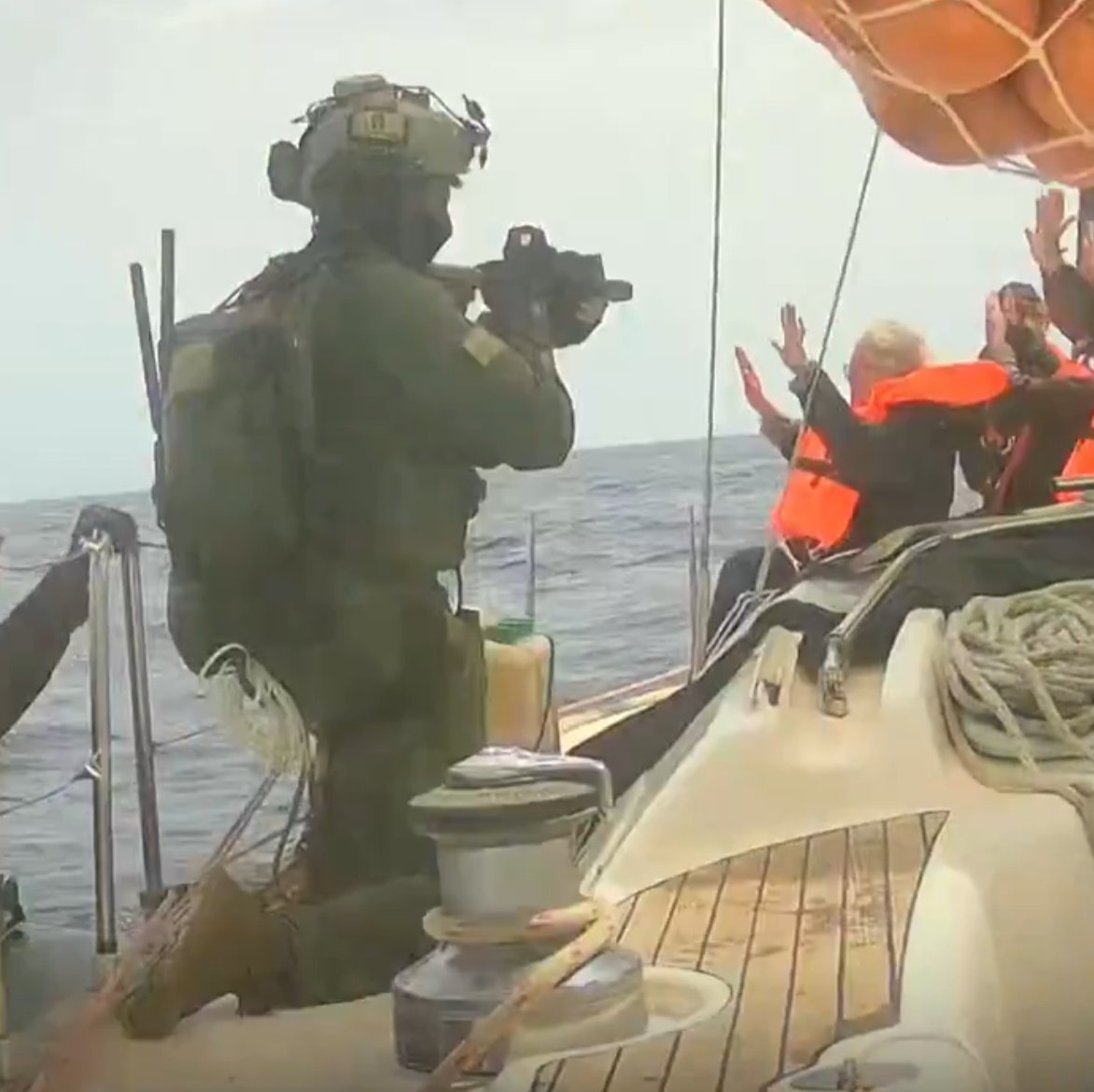
Piracy and abduction of members of the Global Flotilla (April -May 2026)
Mediterranean Sea
29 Apr, 2026 - 21 May, 2026
*WARNING: Due to its nature and the very many actors involved, this event is likely to be continuously improved*
To consult previous events concerning Humanitarian Flotilla: [See](https://genocide.live/events/search?query=flotilla)
This campaign of the flotilla, launched on April 5 from Europe, aimed to challenge Israel’s longstanding maritime blockade and deliver aid to civilians facing severe shortages in Gaza. The flotilla included dozens (70) of vessels and more than 1,000 participants from multiple countries, marking one of the largest civilian-led maritime efforts to reach Gaza in recent years.
## **Timeline fo the events**
**On 30 April 2026**: unlawful interception and seizure of vessels belonging to the Global Sumud Flotilla by Israeli naval forces in international waters near the Greek island of Crete, over 1,000 kilometres from Gaza. At least 22 boats with 175 activists from a flotilla carrying aid for Gaza have been intercepted in international waters off Crete. The Global Sumud Flotilla reported that “military speedboats, self-identified as ‘Israel’, pointing lasers and semi-automatic assault weapons ordering participants to the front of the boats and to get on their hands and knees”.
According to what was reconstructed by activists and various media sources, the raid began in the early hours of 30 April with the deployment of drones, communications jamming systems, and armed naval units. The flotilla boats were progressively surrounded by large military ships, from which fast speedboats were launched for boarding operations.
Before the intervention, Israeli forces allegedly interfered with radio frequencies, broadcasting direct warnings to activists: the route to Gaza, described as “illegally blocked,” would put their lives at risk. Shortly after, naval commandos reportedly ordered civilians to move to the bow and kneel, while weapons and lasers were aimed at them.
**On April 30, 2026,** The Trump administration stated, via Mark Rubio, against the
@gbsumudflotilla, threatening not only States that give safe harbor to the flotilla, but also U.S. citizens who dare to bring critical aid to Gaza. ([archive](https://archive.md/OYeBr) )
**On May 1, 2026,** participants from the Global Sumud Flotilla testified they were violently treated after being intercepted by an Israeli warship in international waters more than 500 nautical miles from Gaza. They say some were punched, kicked, dragged with tied hands, and shot at with live and rubber bullets during the operation, particularly when resisting the detention of two organizers, Thiago Ávila and Saif Abukeshek, who remain held.
According to Lautaro Rivara (@LautaroRivara), writer and member of the Global Sumud Flotiall, Saif (did not intend to travel to the occupied territories, but rather to dock safely at a prior port; Israeli intelligence was aware of this. "Saif, who holds Spanish and Swedish nationality, could be detained under the harsh system of “administrative detention” because of his Palestinian background".
The Global Sumud Flotilla says eyewitnesses confirmed that Saif Abukeshek, a Spanish-Swedish national of Palestinian origin, was tortured aboard an Israeli military vessel after Israeli forces illegally intercepted 22 flotilla boats in international waters roughly 80 miles west of Crete. Witnesses say they heard Abukeshek’s screams after he was separated from the group.
175 civilian participants were taken aboard the Israeli vessel Nahshon to Greece. All were eventually released except Abukeshek and Brazilian national Thiago Ávila. They were not allowed to disembark in the Greek port of Ierapetra, despite the fact that the ship was in territorial waters of Greece Greek authorities did not act on legal interventions to prevent the transfer, GSF said, and the Nahshon has now left Greek waters and is expected to arrive in Israel on May 2.
Organizers report that 36 participants, including two British nationals, have been hospitalized in Crete with injuries such as broken bones, broken ribs, broken noses, and neck injuries. One person reportedly lost consciousness, and others showed signs of bloodied clothing and serious trauma. Nearly 200 additional participants are being held on buses by Greek authorities, which flotilla organizers accuse of closely cooperating with Israel. Activists also claim that during roughly 40 hours aboard an Israeli frigate they were denied sufficient food and water and forced to sleep on flooded floors. Sixty participants have begun a hunger strike in protest. Organizers say only 22 of 57 boats were intercepted, and the remaining vessels intend to continue toward Gaza.
*RSF Condemns Seizure of Journalists as Israel Intercepts Gaza Flotilla:*
Reporters Without Borders said Israeli forces “kidnapped” three journalists aboard a Gaza-bound aid flotilla intercepted in international waters, escalating concerns over press safety and legal accountability in a conflict already marked by extensive restrictions on media access. The Paris-based organization identified the journalists as Hafed Mribah and Mahmut Yavuz of Al Jazeera, and Alex Colston of U.S.-based outlet Zeteo, and said Israel bears responsibility for their safety following detention.
**On May 2, 2026,** David Adler @davidrkadler testify: "I can confirm that both Saif and Thiago have been *severely* beaten and tortured by Israeli authorities. This is not a “questioning.” It’s an extrajudicial abduction to brutalize Israel’s critics without charge — but with blessing of the United States."
According to their lawyer, Miriam Azem, the international advocacy coordinator at Adalah, and confirmed by the Embassy of Brazil in Israel, Flotilla activists Thiago de Avila and Saif Abukeshek, kidnapped by Israeli occupation naval forces in international waters on April 30, have been beaten, blindfolded, held in stress positions, and interrogated by Shin Bet, the two faced “severe physical abuse amounting to torture,”. De Avila lost consciousness twice and faces possible Mossad interrogation on "terrorist" suspicion. No charges have been filed against them but they face accusations including affiliation with a “terrorist organization and contact with foreign agents.”Both are on hunger strike and are due in court on May 3.
The court extended the activists’ detention by two days for further "interrogation".
**On May 5, in the evening**, The Freedom Flotilla Coalition reports that Israeli Naval forces are attempting to intercept its vessels off the coast of Greece, with ships approaching and heightened military activity in the area. Activists say the flotilla is under intensive aerial surveillance, including aircraft and drones reportedly linked to U.S. defense systems, while warning of fears over potential unlawful abduction and mistreatment following previous attacks involving participants.
**On May 7**, the Global Sumud Flotilla states that Palestinian-Spanish-Swedish activist Saif Abukeshek’s condition is deteriorating inside Israel’s Shikma detention facility after escalating his hunger strike into a dry hunger strike. A newly disclosed report from Swedish consular officials following a prison visit says Saif was subjected to threats, psychological abuse, violent transfers, prolonged blindfolding, and interrogations where Israeli officers allegedly told him he would “spend his life rotting in jail” and never see his family again. Officials also warned about his worsening health.
**On May 9, 2026**, the Shabak Israeli intelligence agency informed Adalah’s legal team that Global Sumud Flotilla (GSF) activists and leaders Thiago Ávila and Saif Abukeshek would be released from Israeli detention this day, Saturday 9 May 2026. They will be handed to Israel’s immigration authorities later today and kept in custody pending their deportation. Adalah stated it is closely monitoring development to make sure that the release from detention goes ahead, followed by their deportation from Israel in the coming days. Adalah stressed that Ávila and Abukeshek have been held unlawfully by Israel for over a week after being taken into Israeli detention, since the early hours of Thursday, 30 April 2026 when they were abducted by the Israeli navy. Throughout their detention, they were held in total isolation under punitive conditions despite the purely civilian nature of their mission. Both activists have been on a hunger strike since that time, which Abukeshek escalated to refusing water on the evening of 5 May. The activists were abducted from an Italian-flagged vessel, placing them under Italian jurisdiction. The operation is a clear violation of international law. The Italian government has already condemned Israel’s move as illegal.
**On May 10,** Saif Abu Keshek and Thiago Avila were released. Samidoun, The Prisoner Solidarity Network states that "Their release was the direct result of international popular mobilization, protests organized in numerous countries, and the resistance maintained by the activists themselves during their detention, including an ongoing hunger strike until their liberation. This victory once again demonstrates that popular pressure and international solidarity have an impact, and that organized struggle can win victories even against one of the most violent colonial regimes in the world and its imperialist sponsors."
**On May 18, 2026**, the Gaza-bound Global Sumud Flotilla was intercepted and seized by the Israel Naval Forces while sailing in international waters. The military action took place approximately 250 nautical miles (450 kilometers) off the coast of Gaza, inside Cyprus’s Search and Rescue (SAR) zone. Israeli naval warships encircled and boarded the civilian ships in broad daylight. Live stream footage from the boats showed armed Israeli soldiers boarding the vessels as activists raised their hands in life vests. Soldiers subsequently cut the live feeds and destroyed mounted cameras. The Israeli Foreign Ministry confirmed that the operation brought the "PR flotilla to an end," stating that all 430 activists were stripped from their boats and transferred to Israeli vessels. Detainees were held on naval ships acting as temporary floating holding facilities. They were abducted and deported to the Port of Ashdod in southern Israel. Among those captured were 12 Canadian citizens, 11 Australians (including doctors, academics, and filmmakers), and 96 Turkish citizens. There was also the sister of the Irish Prime Minister.The Israeli Foreign Ministry maintained that the naval blockade on Gaza is completely lawful, assertinf that "no aid" was found on the intercepted boats and dismissed the mission as a "PR stunt" serving Hamas. Convoy organizers fiercely disputed the claim that no aid was aboard, stating the vessels carried humanitarian relief including baby formula. International group strongly condemned the raid, calling it an act of "high-seas piracy" and a violation of international maritime law regarding freedom of navigation.
**On May 20, 2026,** Israeli National Security Minister Itamar Ben-Gvir published videos on his own X account showing the degrading treatment and taunting of hundreds of detained Global Sumud Flotilla activists at the Ashdod port facility. While the display sparked widespread international condemnation and internal political backlash, the criticism from internal Israeli politicians was heavily framed under the pretext that his behavior was a disastrous public relations (PR) strategy. None of these mainstream political critics condemned the underlying abduction of the civilian activists or the illegal seizure of the humanitarian aid itself.
In the footage, dozens of international activists are shown bound, handcuffed, and forced to kneel on the floor with their heads down while Israel’s national anthem blasts over a loudspeaker. Ben-Gvir is seen walking among them waving a large Israeli flag, shouting in Hebrew: "Welcome to Israel, we are the landlords!" At one point, an activist who shouts "Free Palestine" is violently shoved and bundled to the ground by security forces.
The video caused the instant publication of statements by Israeli politicians, including members within the Israeli government. Foreign Minister Gideon Saar publicly rebuked Ben-Gvir on X, stating, "You knowingly caused harm to our State in this disgraceful display." Even Prime Minister Benjamin Netanyahu issued a rare, direct reprimand, stating that while Israel had a right to stop the flotilla, Ben-Gvir's actions were "not in line with Israel's values and norms."
International allies and human rights organizations strongly condemned the footage, labeling it a campaign of "abuse and humiliation." Countries including Italy, France, Canada, Belgium, and the Netherlands immediately summoned their respective Israeli ambassadors to protest the inhumane treatment and demand the swift release of their citizens held in the makeshift Ashdod facility.
However, even as French Foreign Minister Jean-Noël Barrot announced, “I have ordered the Israeli ambassador to France to be summoned to express our indignation and obtain explanations,” and demanded their release, he simultaneously blamed the victims by adding: "Whatever one may think of this flotilla—and we have repeatedly indicated our disapproval of this initiative—our compatriots participating in it must be treated with respect and released as soon as possible."
On May 21, in the evening, hndreds of Flotilla members were released after 4 days of torture and abuses on the Israeli Naval ships, in the Ashdod Port and finally in the Ketziot Prison. They arrived in the evening in the Istambul airport.
Summary:
Activists from the Global Sumud Flotilla, intercepted by Israeli forces in international waters while attempting to bring aid to Gaza, described severe abuse and mistreatment after their detention.
Several activists gave testimonies after arriving in Istanbul:
Mousa Taher (New Zealand) said he was recognised by Israeli soldiers due to a previous flotilla attempt and claimed he was stripped, tightly restrained with plastic ties, beaten, humiliated, and photographed while pinned down. He said he later lost consciousness after a severe beating and described being forced to crawl and subjected to degrading treatment.
Isselmou Ould Maloum (Mauritania) said violence repeatedly escalated and reported that several activists suffered broken ribs. He argued that what the activists experienced was minor compared with what Palestinians allegedly face in Israeli detention.
A statement from the flotilla’s official X account alleged at least 15 cases of sexual assault, broken bones, and activists being shot with rubber bullets at close range.
Gregory Terry (US) described the detention process as extremely cruel and said activists were beaten, tased, forced to kneel for hours, and that some suffered broken arms.
Juliet Lamont (Australia) said conditions were more violent than on previous missions. She alleged beatings aboard detention ships, sexual assault, tasings, broken ribs, and activists being injected with unknown substances. She described being restrained, exposed to prolonged water exposure to the point she feared drowning, and physically assaulted.
The activists said the treatment was intended to intimidate and discourage future missions, but many stated they remained committed to continuing aid efforts toward Gaza. The allegations described in the article are claims made by activists recounting their experiences after detention.
## **Weapons and Military equipment:**
The second boarding and seizure of the 54 civilian boats was carried out by Shayetet 13, the elite naval commando unit of the Israeli army. They typically approach civilian targets using highly maneuverable, fast-attack rigid-hull inflatable boats (RHIBs), such as the Morena-class or Zaharon speedboats, launched from larger motherships. To conduct an operation 250 nautical miles out in international waters off Cyprus, the IDF deploys its primary surface fleet to encircle the flotilla and act as command centers. These are typically Israel's Sa'ar 5-class or newer Sa'ar 6-class corvettes, which possess the helicopter decks and endurance required for long-range maritime policing and carrying hundreds of detainees.
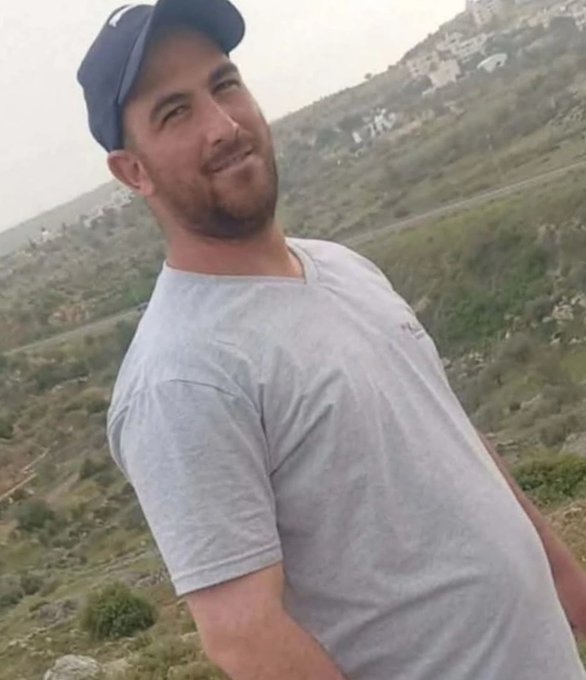
Summary execution of Abdel Halim Hammad during an home invasion in Silwad
West Bank, Nablus, Silwad
29 April, 2026
At least 1 martyred
On April 29, at 01:05, the Israel forces stormed the town of Silwad, raided and searched 2 homes, and also opened fire on a citizen, while raiding his house, which led to his death and the detention of his body.
Local residents reported that the invading force surrounded and then stormed the Hammad family home, where Abdul‑Halim lived with his relatives. Witnesses said soldiers broke into the house and ransacked it, before assaulting family members—including women. The assault inside the home led to a scuffle in which Abdul‑Halim reportedly stabbed two soldiers. The Israeli forces executed the young man inside his home in front of his family members after storming him for trying to defend his brother, whom the soldiers were abusing, as he was detained while he was injured, that leads to his death.
It is noteworthy thatAbdul-Halim is the father of a one-and-a-half-year-old girl, and he is the brother of Muhammad Hammad, killed in an alleged "stabling attack" in 2021, and which the body is still being held by Israel.
Before leaving Silwad, Israeli forces detained Hammad’s father and brother, subjected them to severe physical abuse, and caused extensive damage to the family home. The father was later released.
At 05:10, forces occupying the entrances to the town of Silwad and the villages of Deir Jarir, Yabroud and Ain Sinya were closed to traffic.
**Name of the martyr:**
Abdel Halim Rawhi Abdel Halim Hammad, 37 years old.
**According to sources from “the Wing,” the details of what happened in Salad are as follows:**
"A force from the occupation army carried out a raid into the town and attacked the home of the family of the martyr Muhammad Ruhi Hammad. Muhammad Hammad had carried out a stabbing attack five years earlier.
The force assaulted the men and women of the family and mistreated them.
The provocations by the occupation soldiers led the young Abdulhalim Ruhi Hammad to carry out a stabbing attack inside his family home.
During the incident, two occupation soldiers were injured, and the brother of the martyr Muhammad Hammad, Abdulhalim Hammad, was killed, and his body was seized by the occupation.
After arresting his father and brother and demolishing the house, the occupation forces withdrew."
Summary execution of Ibrahim Al-Khayyat, 15, in Hebron/Al-Khalil
West Bank, Al-Khalil/Hebron
29 April, 2026
At least 1 martyred
On April 29, 2026, at 23:30, during their storming of the city of Hebron, the Israeli forces fired live and rubber-coated metal bullets, stun grenades, and tear gas at citizens, under the pretext that they had been stoned, which led to the death of a child and the wounding of 3 citizens (including 2 children).
Earlier at 09:55, the occupation forces arrested the citizen Muhammad Fawzi Al-Rajabi in the Al-Kasara area in the Old City of Hebron.
At 17:20, Israeli forces occupied, in the Old City of Hebron, a house owned by the citizen Mashhour Al-Ajlouni and turned it into a military point.
At 23:30, they stormed the city of Hebron with a large number of military vehicles, closed the main road, and forced shop owners to close their shops, amid the firing of live bullets and toxic tear gas bombs towards citizens. Confrontations took place which led to three citizens (including 2 children) being injured by live bullets in the thigh and knee, and they were taken to the hospital. They severely injured another child who would succumb to his injuries later in the day, and they withdrew at 01:00.
The child Ibrahim Abdel Fattah Al-Khayyat (16 years old) died as a result of being hit by live bullets in the abdomen during their storming of the Al-Hawoz area in the city of Hebron. The Palestinian Red Crescent Society stated that the child Al-Khayyat was transferred to its hospital in Hebron in a private vehicle, and doctors announced that he died as a result of his injury.
Israeli forces arrested a citizen — whose identity is not yet known — after forcing him to stop his truck and get out of it.
The occupation forces also searched several homes in the vicinity of the Islamic Charitable Society for Orphan Care, which were stormed, searched, and had their doors closed with electric welding, as well as the doors of the Saeb Al-Nazer Institute for Vocational and Technical Education and Training several days ago. They also climbed onto the roofs of the surrounding homes, raided a medical clinic and shops, wreaked havoc on citizens’ property, broke windows, and cut off wires for citizens' surveillance cameras in the area.
**Name of the martyr:**
Ibrahim Abdel Fattah Muhammad Al-Khayyat, 16 years old.
**Other casualties:**
The 3 wounded in the city of Hebron are Alaa Ezz al-Din al-Tamimi, Shamil Bassam Dweik (17 years old), and Yassin Alaa Manna Abu Aisha (15 years old).
**Funeral and Mourning on April 30**:
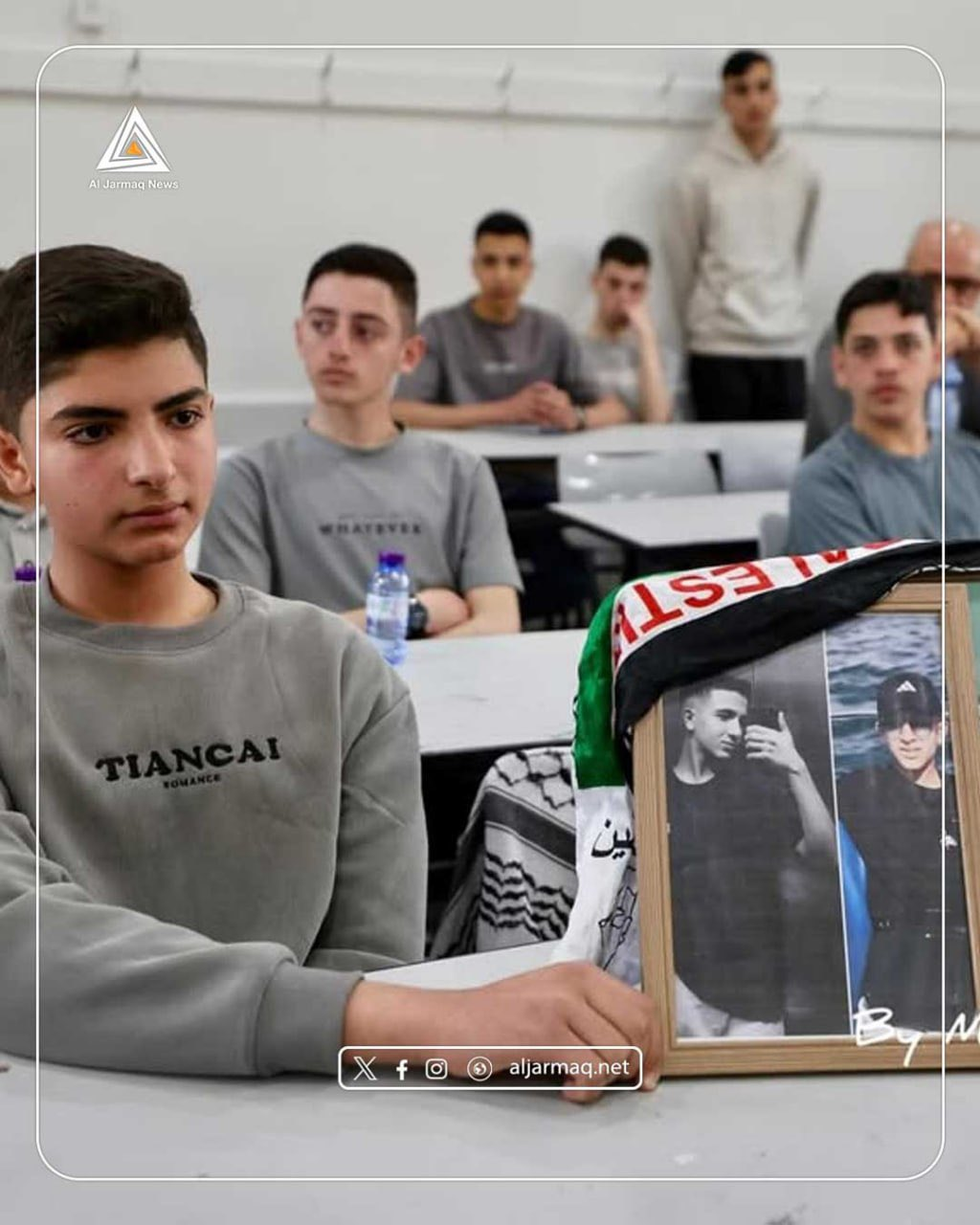
In a scene filled with grief and loyalty, teachers and students of Al-Hussein bin Ali School mourned their late classmate, Ibrahim Al-Khayat, who was killed by Israeli forces yesterday in Hebron, placing his picture along with the Palestinian flag at his desk.
Summary execution of the young student Youssef Samih Istiyeh, 15, in Nablus
West Bank, Nablus, Tell
23 April, 2026
At least 1 martyred
On April 23, 2026, around 07:10, Israeli forces stormed the city of Nablus, in the occupied West Bank. During the raid, confrontations erupted with residents while several homes were being searched. The forces used live ammunition, rubber-coated metal bullets, stun grenades, and tear gas against civilians, under the claim that stones had been thrown at them. The raid specifically targeted the Rafidia neighborhood, with additional live fire reported in the Beit Wazan area to the west of the city during the withdrawal phase.
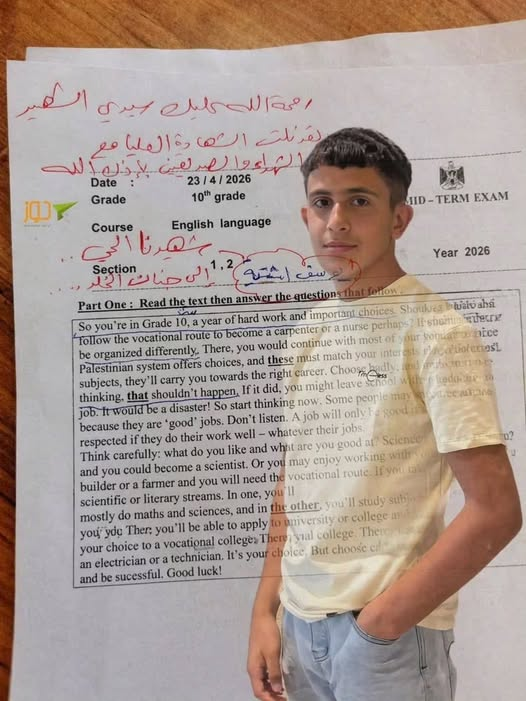
As a result of the gunfire, a child was killed in Nablus. Yousef Sameh Shtayyeh (also referred to as Youssef Samih Istiyeh) was critically wounded in the shoulder in the Beit Wazan area. He was transported to hospital, where he later died from his injuries. Local sources reported that the young man's injury occurred during the withdrawal of the occupation forces from the area, that the soldiers opened fire directly at the teeanger. Medical sources announced the death of a child (15 years old) later in the day.
“Through your martyrdom you have attained the highest degrees. May God have mercy on you and grant you eternal peace in paradise” That’s what Teacher Ahmed Attallah wrote on the English exam his student Yousef Ishtayeh completed hours before the israeli soldiers murdered him.
On April 24, from 02:10 to 05:45, the Israeli forces stormed the city of Nablus again during the early hours. During this incursion, they arrested three citizens. The 3 detainees in the city of Nablus are: Abdul Rahim Al-Fakhouri, Ashraf Al-Fakhouri, and Tayseer Mishal
**Israeli forces spin:**
According to The Times of Israel: *"The IDF says that troops opened fire on a Palestinian who hurled stones at troops during a raid in the West Bank city of Nablus earlier today.(...) In response to a query by The Times of Israel, the IDF says that “during operational activity by security forces in Nablus… a terrorist threw stones at the forces.”(...) “The troops carried out a suspect arrest procedure, at the end of which they opened fire at the terrorist,”* the IDF says, adding that it is aware of reports that one Palestinian was killed.
**Name of the martyr:**
Youssef Sameh Abdel Raouf Shtayyeh, 15 years old
Triple tap on journalists Amal Khalil and Zainab Faraj, and attack on the rescue teams
Lebanon, South Lebanon
22 April, 2026
At least 1 martyred
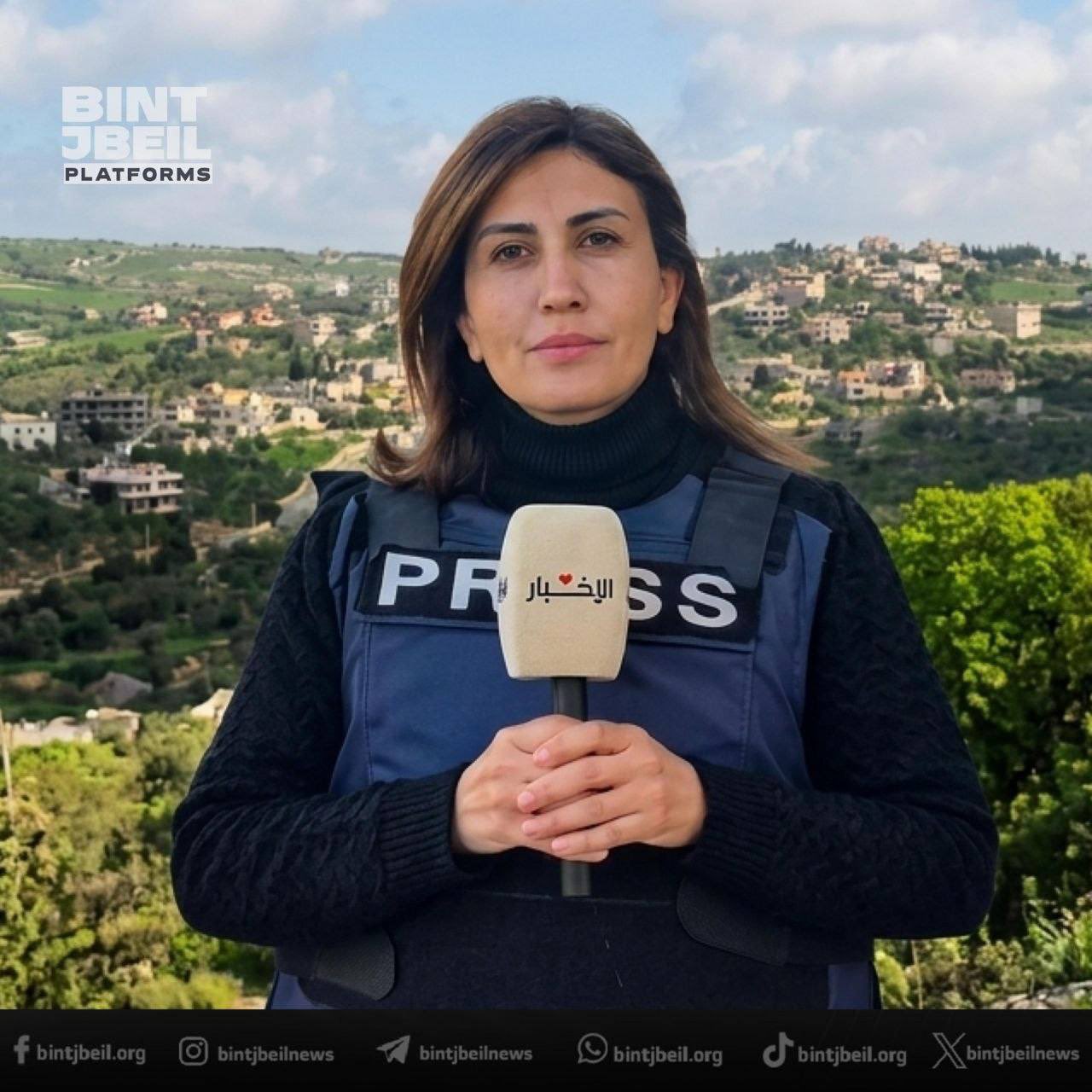
On April 22, 2026, around 14:30 and despites the "ceasefire", the Israeli a drone attacked a civilian car in the town of Al-Tiri that was accompanying the car of the two Al-Akhbar journalists, causing 2 deaths. They were in a delegate vehicle when a drone strike hit a vehicle behind them. So, the two journalists Amal Khalil and Zainab Faraj took refuge near a tree.
Immediately after the raid, contacts began with the ambulance teams and army intelligence, and the matter was entrusted to the Red Cross, which was waiting for permission from the "mechanism" to move at that time.
At 16:00, the drone struck again near the two colleagues, specifically targeting their car. At that point, Amal contacted a colleague and informed him of what had happened.
Both journalists were trapped at the scene finding a shelter in a close house. Amal contacted the Red Cross before her phone died. Her last message confirmed she was still safe.
Then, an Israeli airstrike cut off the road between the southern Lebanese towns of Haddatha and Al-Tiri, blocking access for ambulance teams trying to reach the two journalists. They are just 500 meters away.
At 16:27, after rumors circulated that Israel was refusing access to the location and had also instructed UNIFIL forces not to use the Haddatha-Bint Jbeil road, Israeli warplanes launched an attack towards the town of Al-Tayri. At this point, every observer suspected it was a bombing rather than an airstrike, but it later became clear that the target was the house where the two women had taken refuge.
Around 17:00, the Red Cross was heading to evacuate journalist Amal Khalil from the southern town of Tayri, along with the two who were killed in the airstrike, after approval by the Israeli army
Just ten minutes after the raid, permission was given for the Red Cross vehicles to move. Rescue workers were finally able to rescue Zainab Faraj and evacuate the bodies of the two other victims, but while attempting to evacuate Amal Al Khalil, the IDF bombed the site again, as well as the house where she had taken refuge. However, Faraj, who sustained injuries, had been rescued. Lebanon's National News Agency said that the Red Cross vehicle transporting Faraj from al-Tiri to the Tebnin Governmental Hospital came under Israeli fire, with visible bullet marks on the vehicle.
Around 19:00, reports confirm that Red Cross was hit by a stun grenade, forcing it to withdraw from the town, and is expected to return later to continue searching for Khalil, according to LBCI.
The rescue workers then evacuated the area, and, incredibly, Lebanese President Aoun reportedly had to request Israel’s approval in order to attempt another evacuation of journalist Amal Khalil, who stays trapped under the rubble.
Around 22:00, Al Mayadeen's correspondent in South Lebanon reported that search operations have begun in al-Tiri at the house targeted by Israeliforces, where journalist Amal Khalil was present at the time of the second Israeli attack.
Lebanon’s health ministry caimed Israeli forces “pursued” journalists Zeinab Faraj and Amal Khalil by striking the house where they had taken shelter after an initial attack on the town of at-Tiri.
Meanwhile, RSF calls "on the international community to immediately pressure the Israeli army into allowing the rescue of Al Akhbar journalist Amal Khalil, currently trapped near Tiri in southern Lebanon following an Israeli airstrike close to her vehicle. Her life is in danger right now! Continued Israeli airstrikes are preventing rescuers from reaching her."
The Committee to Protect Journalists (CPJ) stated it was “outraged” that the Israeli army had “apparently targeted Lebanese journalists Amal Khalil and Zeinab Faraj” in Tiri, southern Lebanon, on Wednesday, warning that “continued obstruction of rescue operations by Israel could constitute a war crime.” The CPJ added that journalist Amal Khalil had received a death threat in September 2024 attributed to the Israeli army, “raising serious concerns about a possible deliberate targeting.”
According to Ali Rida Sbeity (@AliRida_SB) Field Journalist & Visual Storyteller for RT: "It should be noted that our colleague Amal Khalil had previously received threats from the Israeli enemy, and therefore the Union holds the enemy fully responsible for her life, and considers what is happening a heinous crime."
Around 23:15 Beirut Time: as it was returning from the border Christian village of Ain Ibl, the convoy of apostolic nuncio Paolo Borgia stopped at the site of the Israeli strike in Tiri. The convoy joining UNIFIL, as well as the Lebanese Army and teams from the Red Cross on the site, according to the National News Agency (NNA).
Around 23:34, the Civil Defense confirmed it had recovered the body of the journalist Amal Khalil under the rubble. The General Directorate of Civil Defense announced in a statement that its teams “succeeded in recovering the body of journalist Amal Khalil, who was martyred as a result of an enemy strike that targeted a house in the town of Tiri.” It specifies that “search and rescue operations were carried out in the presence of the Lebanese army and the Lebanese Red Cross, and that the necessary procedures were applied in accordance with the protocols in force.”
**Testimony of Zainab Faraj:**
The injured photojournalist Zainab Faraj told The National that the initial strike killed two civilians in the car ahead, her relative and his friend. The two journalists jumped out of their car and took shelter in something resembling a bus shelter along the road. An hour and a half later, the Israeli military struck Ms Khalil’s car, two metres away from where they were standing, injuring both of them. The car caught fire – and so did Amal Khalil : “I saw Amal like that, burning, telling me, 'Zeinab, I’m burning,'" Ms Faraj said. She helped her friend into a nearby building as an Israeli surveillance drone hovered above. She told me: ‘Don’t fall asleep, don’t leave me,’”. She added that her eyes were starting to close from exhaustion when she heard Amal screaming. Another Israeli strike had hit the building where they were hiding, causing it to collapse on them. “Amal was gone," Ms Faraj said. “And I was left alone”.
**Israeli Army spin:**
The Israeli army stated it had "identified two vehicles in southern Lebanon that had departed from a military structure used by Hezbollah". "After identifying the individuals as violating the ceasefire understandings and posing an imminent threat, the Israeli Air Force struck one of the vehicles. Subsequently, the structure from which the individuals had fled was also struck," "Reports were received that two journalists were injured as a result of the strikes. The IDF is not preventing rescue teams from reaching the area."
Murder of Odeh Atef Awawda, by settlers in Deir Dibwan
West Bank, Deir Dibwan, Ramallah
22 April, 2026
At least 1 martyred
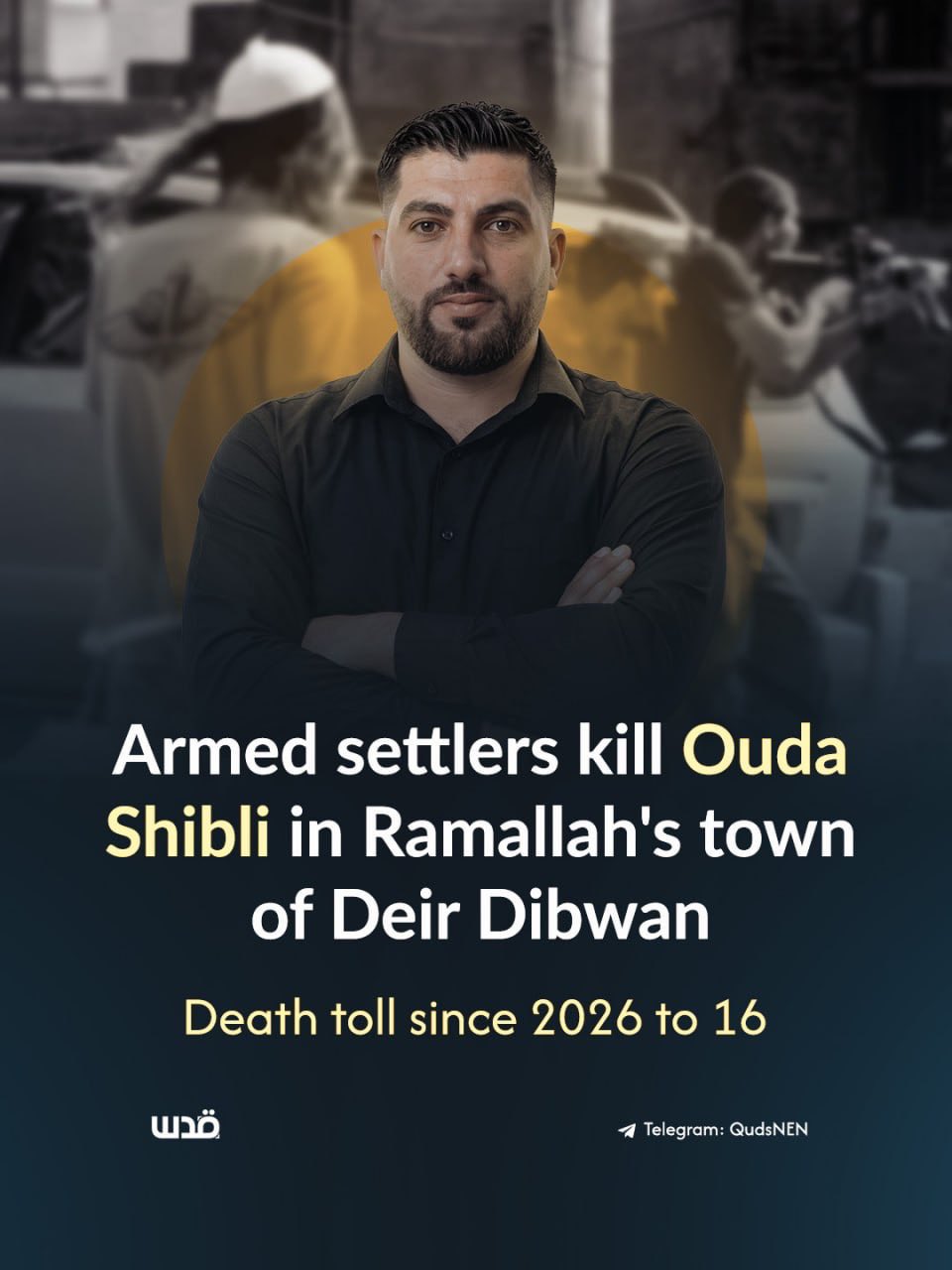
On April 22, 2026, in the town of Deir Dibwan, east of Ramallah, dozen of settlers attacked the outskirts of the town and fired live ammunition at residents. During the attack, a young man, Odeh Atef Awawda (25 years old), was critically injured by a bullet in the back.
At 15:55, a group of settlers entered the outskirts of the town of Deir Dibwan, released their sheep into citizens’ agricultural lands, and also opened fire on citizens while they were trying to confront the attack, which led to the murder of a citizen: Odeh Atef Odeh Awawda, 26 years old - resident of the town of Deir Dibwan.
According to Medical sources at the Palestine Medical Complex Awawda died shortly after his arrival at the hospital due to his wounds.
Following the initial attack, Israeli forces closed the entrance to the town. At 17:25, they stormed the town of Deir Dibwan (following a settler attack) and conducted an arrest operation involving approximately 30 residents that they made them march in a line, holding each other by the shoulders.
19 of them were detainees in the town before being released: Youssef Muhammad Ghannam, Ahmed Muhammad Ziadeh, Youssef Muhammad Ziadeh, Saqr Jibril Awawda, Kamel Jibril Awawda, Abdel Ahmed Manasra, Murad Najah Al-Far, Ahmed Harb Abu Al-Layl, Sayyaf Abu Al-Layl, Yahya Abu Al-Layl, and Ahmed Adly Al-Asmar, Ezz Abdel-Jabbar Awawda, Hashem Barakat Awawda, Suleiman Ali Awawda, Khalil Ibrahim Awawda, Hassan Funun Awawda, Samir Awawda, Atta Jabr Awawda, and Odeh Atef Awawda.
**According to the Arab Israeli journalist Nurit Yohanan:**
*"Earlier today, a 25-year-old Palestinian was shot dead by settlers in the village of Deir Dibwan in the Ramallah area. After the incident, IDF forces arrived in the village and arrested dozens of Palestinians according to footage. The IDF later stated that the forces responded after a report of Israeli civilians entering the village, and that they detained Palestinian suspects of stone-throwing, who were later released. The IDF also said that “the entry of Israeli civilians into the village was not properly coordinated.”
The police said that an investigation has been opened and several individuals have been detained for questioning."*
**Name of the martyr:**
Odah Atef Odah Awawda, 25
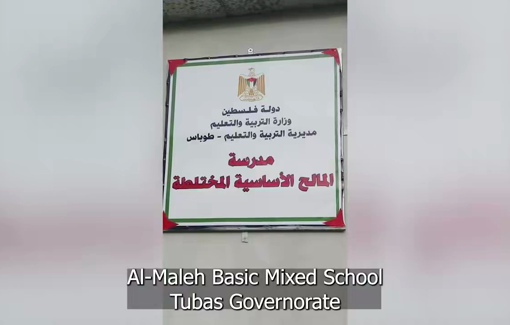
Israeli settler attacks on the Hammamat Al-Maleh School
West Bank, Jordan Valley, Hammamat al-Maleh
21 April, 2026
**On April 20, 2026, at 18:00**, a group of settlers stormed the Al-Maleh Bedouin community in the northern Jordan Valley (Tubas governorate), and demolished with bulldozers the Al-Maleh Basic School and the surrounding housing, after all the families had previously been displaced from it under threat.
Meanwhile, Azmi Balawneh, the Director of Education in Tubas, stated that approximately 70 students, from kindergarten through fourth grade were receiving their basic education at the targeted school. But due to the settler attacks that caused families to flee the area, the number of students dwindled to 30, then to 16, before the school was completely emptied after all the families were displaced. The school employed seven staff members, including the principal, five teachers, and a services courier.
The settler attacks included vandalism, destruction of facilities and obstructing the access of its students.
**On April 24, 2026** The Latin Patriarchate of Jerusalem issued a statement condemning Israeli settler encroachments on Church-owned lands in the Tayasir and Hamam Il-Maleh areas of Tubas Governorate in the northern West Bank. A few days ago, Israeli settlers demolished a school built on the church's land. The Patriarchate's Endowment Department submitted a formal complaint detailing Israeli settler attacks on Patriarchate lands and local residents. The Patriarchate called for the immediate removal of all damage, an end to future intrusions, and legal protection for its properties. Cardinal Pierbattista Pizzaballa was fully briefed on the developments and personally instructed that the matter be pursued seriously and that all possible support be extended to local residents. The Endowment Department of the Latin Patriarchate confirms that protecting Church endowment properties is a red line.