
Genocide .live

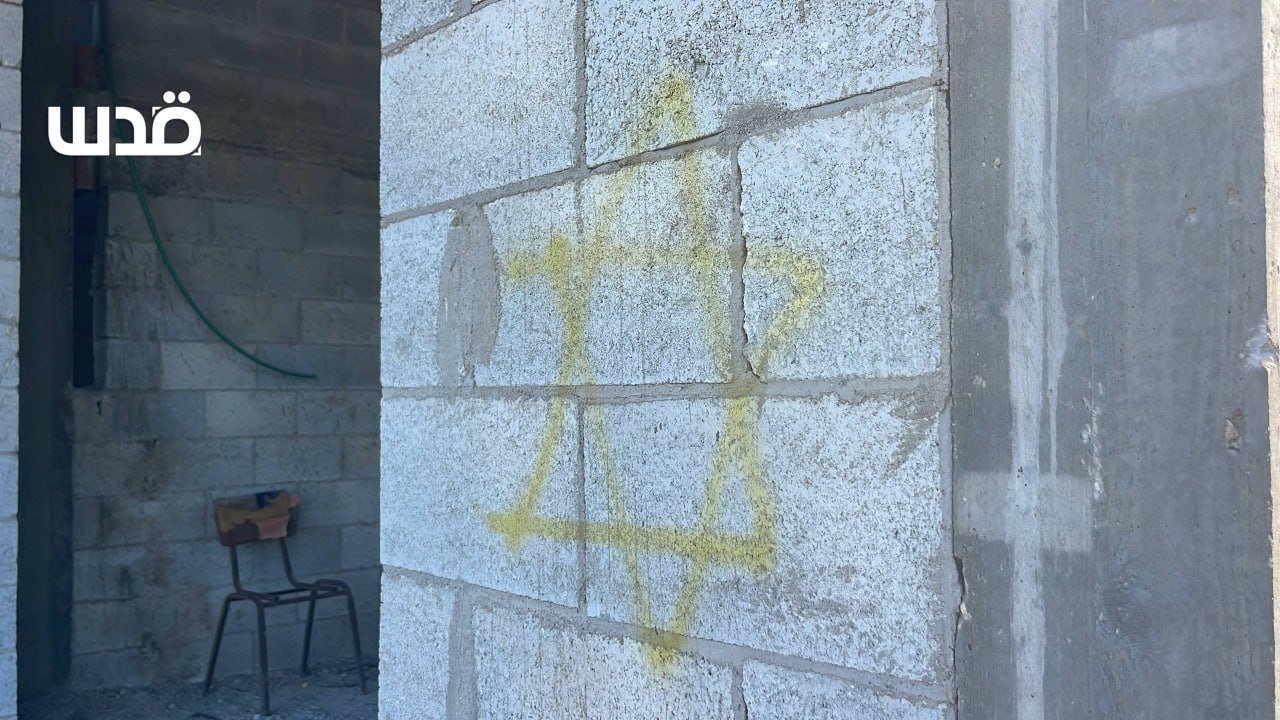
Settler attacks in Beit Imrin
West Bank, Nablus, Beit Imrin
08 June, 2026
**On June 9, 2026:**
Around 01:30, a group of settlers attacked the outskirts of the village of Beit Imrin, set fire to a vehicle owned by the citizen, Bilal Yaqoub Abdo, a Volkswagen Passat, before residents managed to extinguish the fire. Residents confronted the attackers, preventing further damage after settlers allegedly tried to target additional homes and vehicles before withdrawing at 02:00.
Pogrom in Huwara, Nablus
West Bank, Nablus, Huwara
06 June, 2026
On 6 June 2026, around 9:00, dozen of masked settlers, armed with baton and small arms, invaded the town of Huwara, near Nablus. They arrived in pickup trucks and carried out widespread violence, including beating residents, throwing stones at homes and buildings, damaging vehicles, and setting fire to an auto repair shop. They also stole property, including a car, a bicycle, and around 35 sheep. Video footage showed masked assailants attacking property, while some appeared to wear religious garments.
**Timeline:**
At 09:00, a group of settlers stormed the Al-Harayek area near the town of Huwwara, raided a number of homes, under the pretext of searching for missing sheep from them, and stole a number of sheep heads belonging to the two citizens: Youssef Abdullah Ahmed Odeh and Saeed Masoud Khamous, and also attacked a number of Citizens and opened fire randomly at them, wounding 7 citizens (one of whom was shot) and they were subsequently transferred to the hospital and medical centers for treatment.
At 1:00 p.m., a group of settlers entered the outskirts of the town of Huwwara and stole a vehicle belonging to the citizen: Amjad Mahmoud Jabr Hamad - member of the Ainabous Village Council, in front of a vehicle maintenance shop
At 13:10, a group of settlers near the "Yitzhar" settlement roundabout, north of the town of Huwwara, set fire to vehicles owned by the citizen: Sultan Saris.
At 18:50, the occupation forces stormed the village of Madama, where confrontations took place with citizens, and also detained a number of Palestinian residents, and later released them after conducting a field investigation with them. During their storming of the village of Madama, the occupation forces fired stun grenades and tear gas towards citizens, under the pretext that they had been stoned.
**Incidents:**
An Israeli soldier was also filmed alongside settlers beating Palestinian men, repeatedly punching one of them. The Israeli military acknowledged the footage, calling the conduct serious and inconsistent with its values, and said it had launched an investigation and disciplinary proceedings.
According to the IDF, forces were deployed to the area following reports of suspected livestock theft, and later clashes broke out involving stone-throwing and the use of clubs. Riot dispersal means were used, and no arrests were reported. Israeli police also opened an investigation about the soldier filmed as he was beating a man on the ground, and claimed thay collected evidence at the scene.
The Palestinian Ministry of Foreign Affairs and Expatriates condemned the settler attack in Huwara. The ministry described the violence as part of an organized policy of settler attacks carried out under Israeli military protection, aimed at intimidating Palestinians and forcing displacement. It accused Israel of enabling impunity for such acts and warned of a broader strategy of territorial control and displacement. It called on the international community to intervene, impose sanctions, boycott settlement-related entities, and enforce international law to stop settler violence and hold those responsible accountable.
**Casualties:**
Nine Palestinians were wounded. Injuries included a local councilman hit by shrapnel in the leg, four people beaten, and four others affected by tear gas, with at least one person suffering head wounds. Here is the list of 7 injured as a result of a settler attack in the Al-Harayek area near the town of Huwwara: Ibrahim Jasser Odeh, Hassan Abdullah Assi, Hossam Muhammad Dhamidi, Saeed Odeh, Zakaria Radi Dhamidi, Abdul Rahim Hafez Aqili, and Saed Hamdan
**According to the Israeli journalist Matan Galan:**
"Dozens of masked settlers attacked four different villages near Yitzhar starting at 11:00 a.m., throwing stones, setting property on fire, attacking residents, and stealing livestock herds.
According to a [Israeli]security source, the incident began after settlers reported that an Israeli livestock herd had been stolen. According to Palestinian residents’ testimonies, settlers raided several villages simultaneously for a prolonged period without intervention by security forces. According to the Red Crescent, eight Palestinians were injured, most from tear gas inhalation and rubber bullets after IDF forces arrived at the scene. The IDF said around 1:00 p.m. that forces were deployed to the locations and are working to disperse the clashes. In practice—this is what dispersal looks like at one of the sites.
In the village of Huwara, dozens of masked settlers were documented throwing stones, damaging property, attacking inhabited buildings, and stealing livestock. In another recording, a young Palestinian is seen bleeding from the head while settlers are nearby; it appears that he was attacked in the same incident alongside an IDF soldier. Testimonies indicate that the young man was struck in the head with an iron bar and was evacuated for medical treatment, with his condition described as serious according to medical sources.
In another recording, settlers are seen in the village of Einabus and, according to local reports, they threw stones and attacked a residential home. In Asira al-Qibliya, settlers were documented, some in Sabbath shirts and others masked in black clothing, holding batons.
Another recording shows a large group raiding quarries between Asira al-Qibliya and the village of Urif.
This week, the IDF decided to dismiss the security coordinator (Rashatz) of the Yitzhar settlement after armed settlers prevented a Palestinian harvest, even though it had been coordinated with the Civil Administration. In Palestinian footage from the scene, armed settlers were seen blocking the main road and pointing weapons at Palestinian vehicles. The IDF said the coordinator was dismissed “due to repeated incidents of exceeding authority and repeated warnings on the matter.”
Since then, over several days there has been an increase in incidents in the area, including arson attacks near Palestinian villages, peaking on Saturday morning."
Israeli forces open fire on a vehicle killing infant Sam Abu Haikal
West Bank, Al-Khalil/Hebron
05 June, 2026
At least 1 martyred
On June 5, 2026, around 20:00 seven-month-old Sam Fahd Abu Haikal was killed after Israeli forces opened fire on his family's vehicle in the Tel Rumeida area of Hebron, in the occupied West Bank wounding the father.The father is a lecturer at the National University in the city of Bethlehem.
According to medics and Palestinian officials, the family was driving home from Bethlehem when soldiers shot at their car near Tel Rumeida. Sam was struck in the jaw by a bullet that passed through his body and wounded his mother. His father was also injured in the hand. The infant was rushed to a local hospital in critical condition, where he was later pronounced dead.
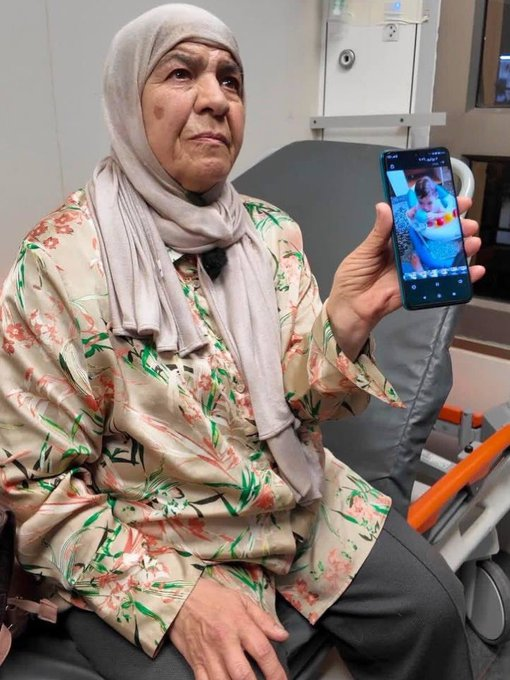
His grandmother, Sam Abu Haikal, said the family had taken the Wadi al-Hariya road to avoid traffic and that the vehicle was completely stopped when the shooting occurred. Witnesses and Palestinian sources told local media that soldiers stationed in the area opened fire on the vehicle as it passed through the neighborhood.
“We were on our way back from Bethlehem to Hebron when an Israeli soldier opened fire directly at us from less than 10 meters away, even though the car was fully stopped and posed no threat,” she said. “Sam had just completed his seventh month on the day he was killed. The bullet pierced his jaw and lodged in his mother’s body. We did nothing to warrant this, and we do not know why they shot at us.”
In an interview with Israeli newspaper Haaretz, the father, Fahd Abu Haikal, a lecturer at Bethlehem University, said that “a bullet passed through his hand and struck his son, Sam, who was being held by his mother in the back seat”. Abu Haikal said the family, which also included the couple’s 11-year-old son and Abu Haikal’s mother, had been driving through Hebron on Friday evening when soldiers signalled for the vehicle to stop.it was still daylight and that the soldier who opened fire could clearly see the occupants were a family. “The soldier signalled me to stop. I brought the car to a complete halt and raised my hands on the steering wheel. Immediately afterwards, they opened fire on the vehicle,” he told Haaretz.
The Israel Defense Forces first claimed its troops “perceived a vehicle accelerating toward them” and one of the soldiers “responded with single shots toward the vehicle”.
The Israeli military later confirmed that the family were “uninvolved civilians” and said “the incident is under review” and expressed “deep sorrow for any harm caused to uninvolved individuals”.
Abu Haikal rejected the military’s account: “The soldier was about 10 metres away from me. He saw me, he saw my wife and the children,” he told Haaretz. ‘‘The windows were not tinted, it was broad daylight and everything was clear. You can’t say he didn’t see that it was a family. “I stopped as I was instructed to, and then they simply shot at the car,” he added. “There was no clear checkpoint, just soldiers standing in the street. I stopped when I was asked to, and then the shooting started". Abu Haikal called for an investigation and said the soldier responsible should be held to account. “I demand and expect, if there is any conscience, any law, any morality, that the soldier who fired the shots will be held accountable for his actions. This case must not be closed without an investigation and without accountability. At the very least, I do not intend to give up.”
Israeli airstrike in the immediate vicinity of Jabal Amel Hospital in Tyre
Lebanon, South Lebanon, Tyre
01 June, 2026
At least 4 martyred
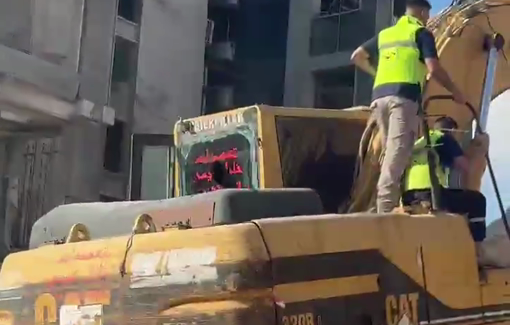
On June 1, 2026, an Israeli strike hit a two mid-rise buildings and the Chamouni parking (hospital parking lot ), near Jabal Amel Hospital in Tyre, damaging the hospital.
According to Ahmad Baydoun @weatherwar "Two buildings were completely leveled in Tyre by Israeli airstrikes, and as a result the hospital of Jabal Amel sustained heavy damages, as it was 30 meters away. Geolocations: First building: 33.277416, 35.217865, Second building: 33.277544, 35.217690.
The Lebanese Ministry of Public Health released footage showing destruction inside a hospital ward, with rubble, collapsed ceilings, shattered glass, blood on the floor, and smoke rising from a heavily damaged adjacent parking area.
According to Lebanese authorities, the attack killed 4 people and injured 127 others, including 39 hospital staff—among them 4 doctors, 27 nurses, and 8 administrative employees. Four of the medical staff were reported to be in critical condition in intensive care.
The strike also caused extensive damage across several floors and departments of the hospital, as well as its parking facilities.
The Ministry praised hospital staff for continuing to operate under extreme conditions, despite what it described as unprecedented danger, and condemned the attack as a violation of international law.
Drone strike on a family vehicle in Qlaaya (Lebanon)
Lebanon, South Lebanon, Qlayaa
01 June, 2026
At least 3 martyred
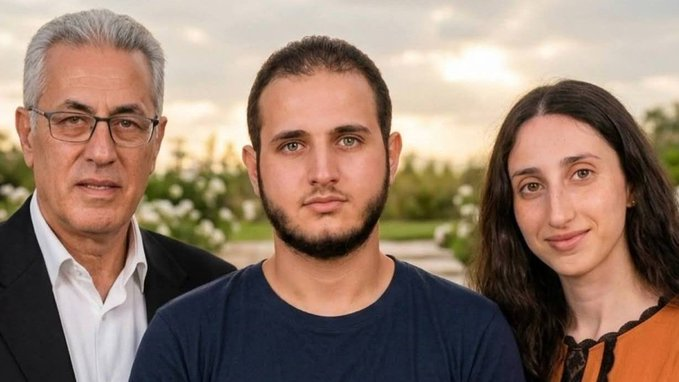
An Israeli drone strike on the Nabatieh–Khardali road in southern Lebanon killed 61-year-old dentist Dr. James George Karam and his two children, Theodosia and Tony Karam, members of a Christian family from the border town of Qlayaa in Marjayoun.
The family was returning home after Theodosia, a third-year science student, had completed her end-of-year university exams in Sidon. Their civilian vehicle, reportedly a Mercedes E320, was struck while traveling through the area, killing all three instantly.
The strike occurred amid intensified Israeli drone operations across southern Lebanon. Theodosia, her father, and her brother were all civilians, highlighting the growing human toll of the conflict.
Israeli seizure of Beaufort Castle (Qalaat al-Shaqif)
Lebanon, South Lebanon, Qalaat al-Shaqif (Beaufort Castle)
31 May, 2026
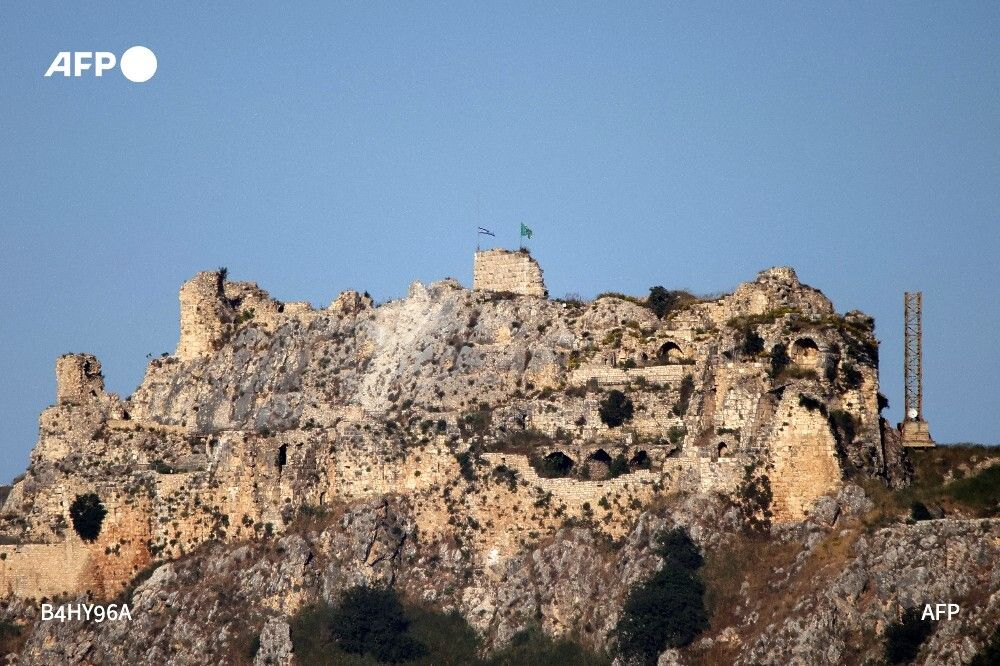
On May 31, 2026, Israeli forces captured the historic Beaufort Castle in southern Lebanon for the first time in 26 years, marking a symbolic moment in an escalating military campaign. Troops raised the Israeli flag over the hilltop fortress under cover of white phosphorus smoke, a move widely interpreted as psychological messaging rather than strategic necessity. The site, once used by various forces including the PLO and heavily contested during Israel’s earlier 1982–2000 occupation of southern Lebanon, carries strong historical and emotional weight for both Lebanese and Israelis.
The takeover came amid a renewed Israeli offensive across southern Lebanon, following a largely ineffective ceasefire. The advance was accompanied by intensified airstrikes, including heavy bombardment of the coastal city of Tyre.
For many Lebanese residents and officials, the loss of Beaufort Castle evoked memories of the long Israeli occupation of southern Lebanon from 1982 to 2000. The incident was described locally as a deep psychological blow, symbolizing vulnerability even in places once considered defensible.
Meanwhile, Hezbollah and Lebanese authorities condemned the escalation but appeared unable to halt the military advance, as residents once again fled their homes amid widening conflict.
Pogrom in Madama
West Bank, Nablus, Madama
30 May, 2026
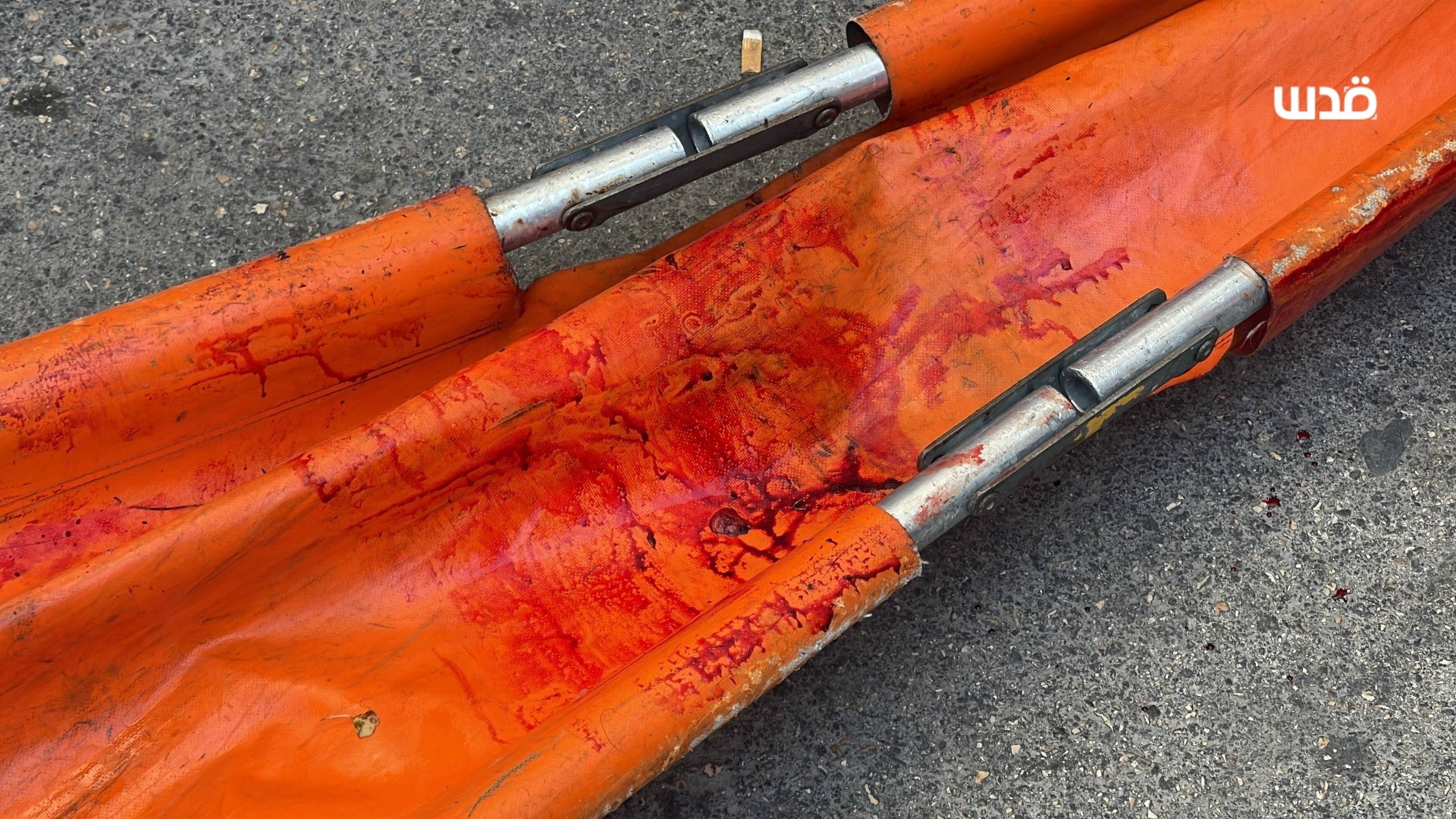
On May 30, 2026, around 10:55, dozens of Israeli settlers from a recently established outpost on lands north of Madama attacked Palestinian shepherds and opened live fire. According to local officials, Israeli forces subsequently blocked access roads with earth mounds and iron gates, preventing residents and medical crews from reaching the injured.
The gang of settlers along the bypass road in the western area of the village of Madama attacked citizens’ homes, and assaulted citizens by beating them, throwing stones, spraying pepper gas, and shooting randomly, severly wounding 5 citizens (including a female citizen), and lightly two others (with bruises).
**Casualties (7 injured):**
The 5 wounded as a result of a settler attack in the western area of the village of Madama are: Mansour Hassan Muhammad Ziadeh, the citizen - Linda Amin Fayez Nassar, Mamoun Amin Fayez Nassar, Amir Amin Fayez Nassar, and Muhammad Amin Fayez Nassar.
1. Male, 72 – shot in the foot with live ammunition.
2. Male, 40 – injured after being physically assaulted.
3. Male, 46 – suffered bullet shrapnel wounds to the face.
4. Male, 53 – shot in the thigh with live ammunition.
5. Male, 43 – injured after being beaten by settlers.
6. Female, 45 – injured after being assaulted.
7. Female, 53 – injured after being assaulted.
Total casualties: 7 injured (2 by live ammunition, 1 by bullet shrapnel, 4 by physical assault).
Raid and siege of Beit Ummar
West Bank, Nablus, Beit Ummar
28 May, 2026
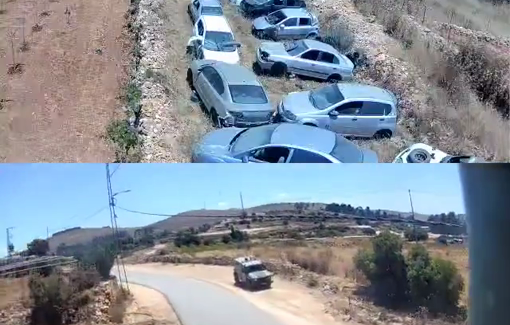
On May 28, 2026, at 18:15, the Israeli forces stormed the town of Beit Ummar, imposed a curfew, and confrontations took place with citizens while they raided and searched a number of homes, and arrested 4 citizens (including 3 female citizens).
They fired stun grenades and tear gas towards citizens, under the pretext that they had been stoned.
Massacre of a family in Adloun
Lebanon, South Lebanon, Sidon, Aadloun
28 May, 2026
At least 6 martyred
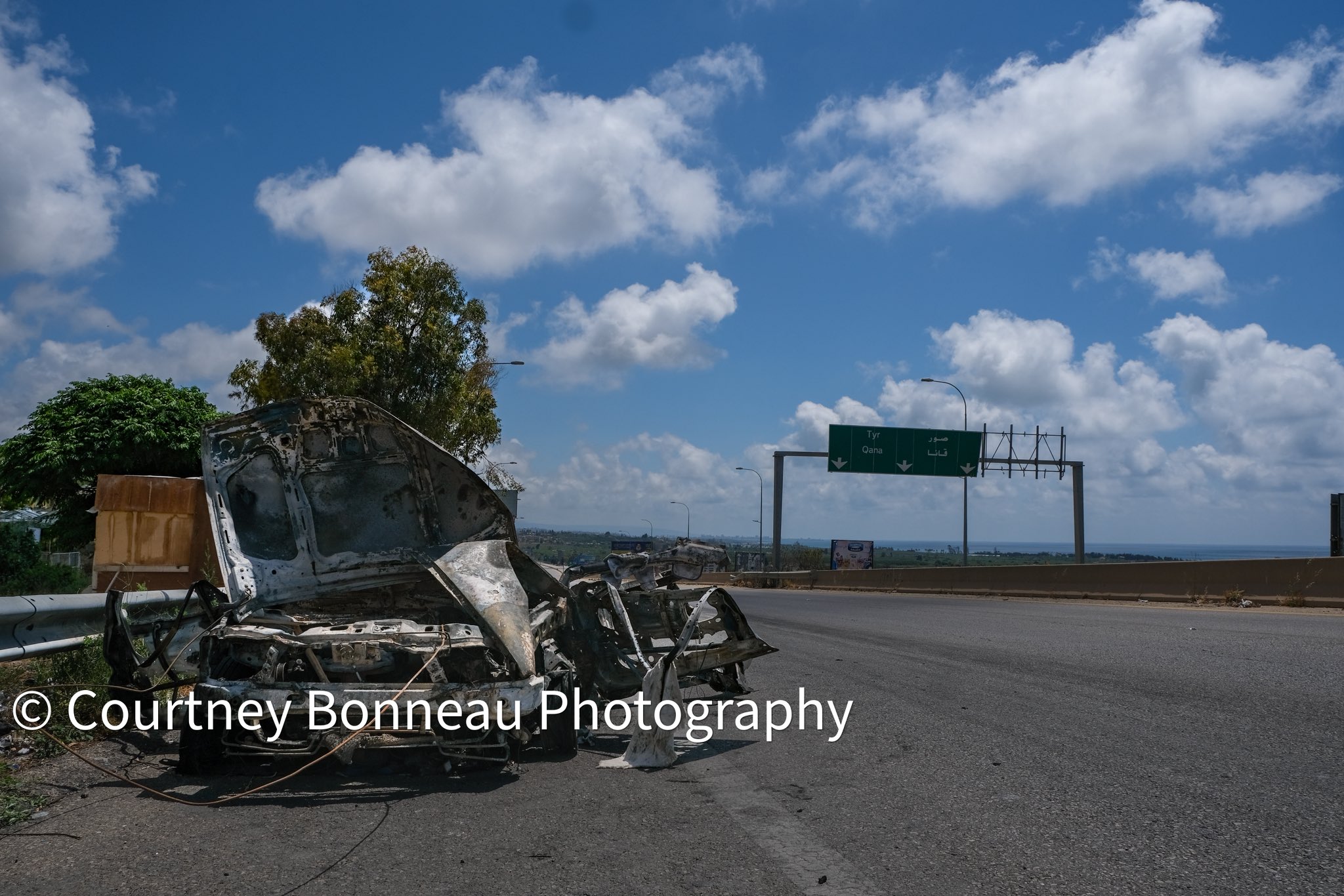
On 28 May 2026, an Israeli drone strike targeted a civilian vehicle in the town of Adloun, south of Sidon, Lebanon. The strike killed six people. Reports indicate that the victims included two children and their parents, with some sources describing all six victims as members of the same family. The attack occurred amid intensified Israeli military operations across southern Lebanon.
Fatalities: 6 killed
**Names of the Martyrs:**
- Ramadan Ajami,
- Ibtissam Kassab, his wihe
- Nadine, Mohammad, Zahra, and Fatima, their children
Israel kills a man in Zawayda
Gaza, Deir al-Balah, Zawayda
26 May, 2026
At least 1 martyred
Around 3:45 pm, an Israeli airstrike targeted a group of Palestinians in the Chalets area western Zawayda area, in central Gaza, killing at least one person.
**Name of the martyr:**
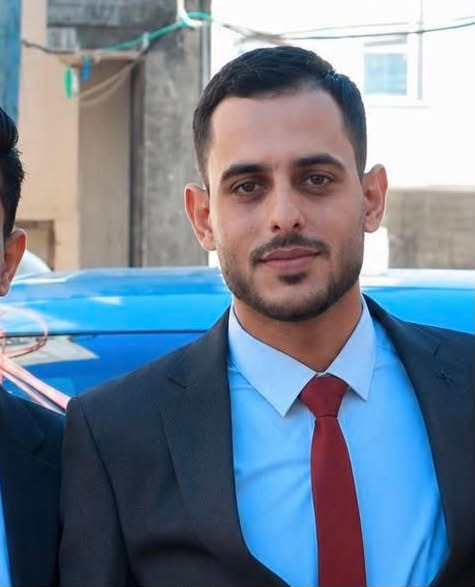
1. Hail Khalil Al-Kurd (31 y/o)