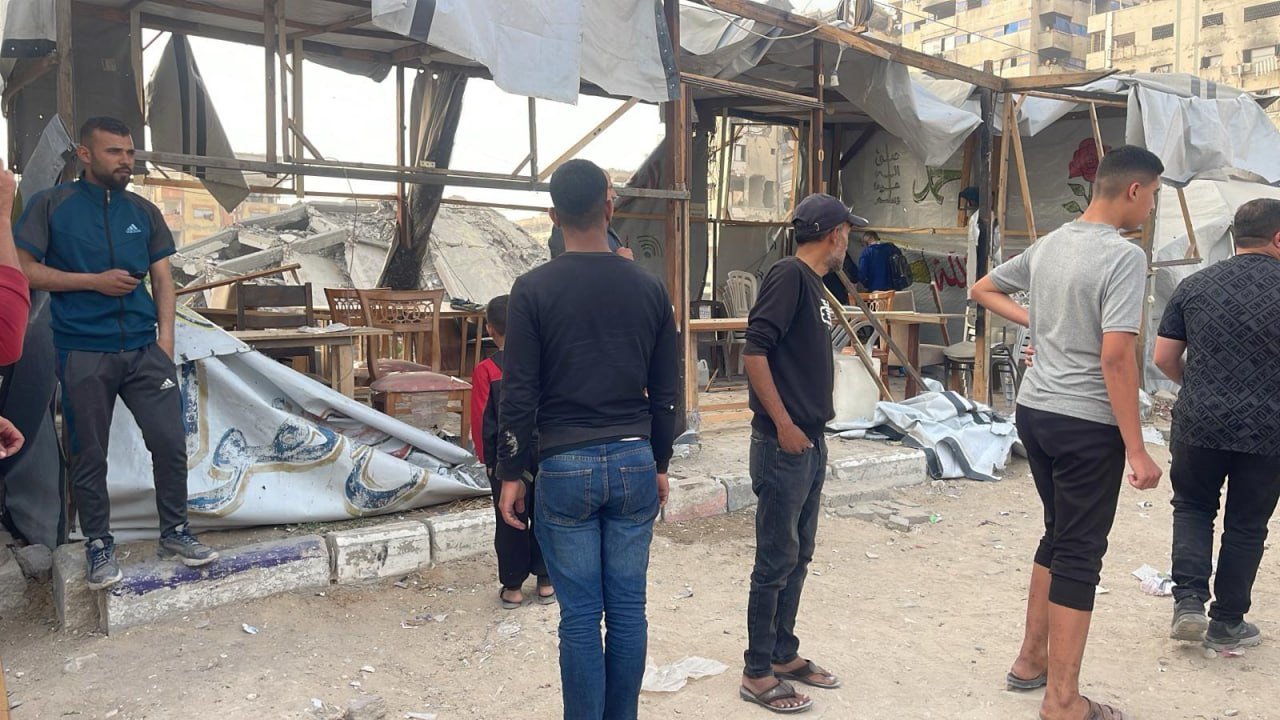

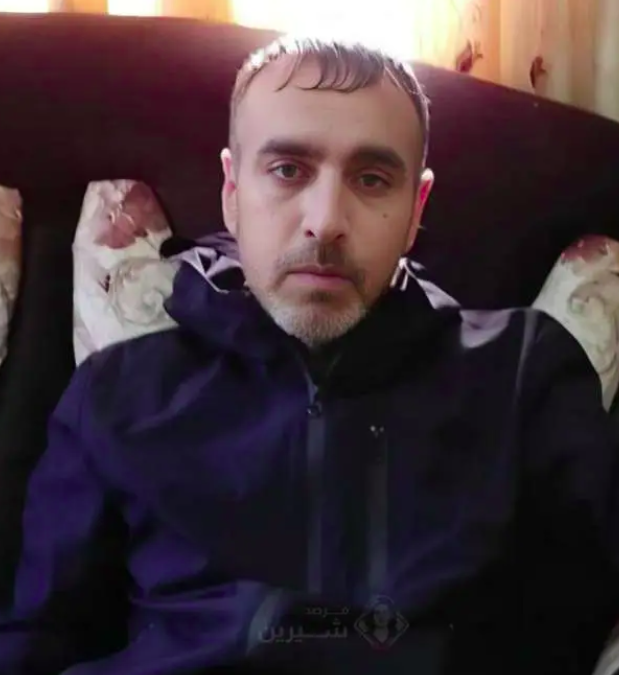
West Bank, Al-Khalil/Hebron, Wadi a-Rakhim, Susiya
07 March, 2026
At least 1 martyred
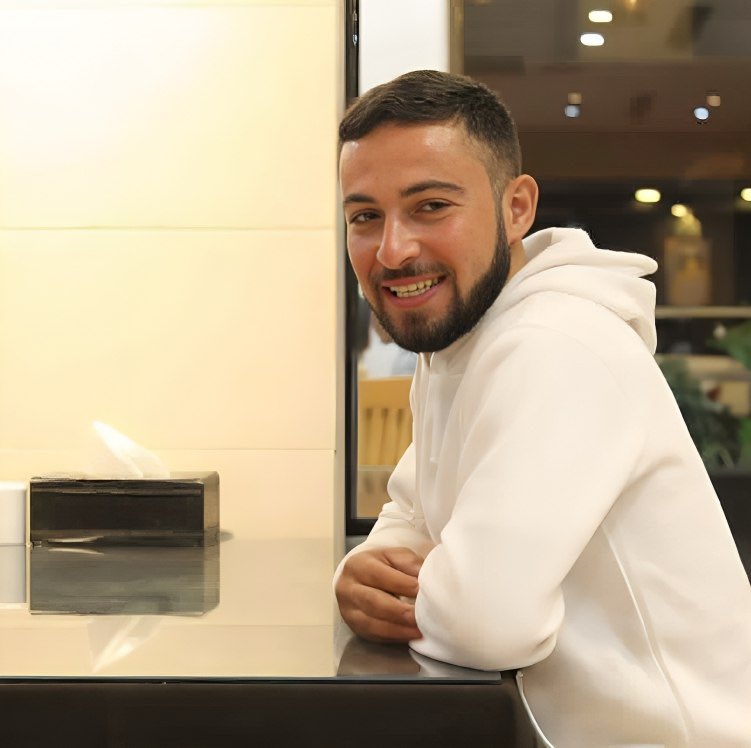
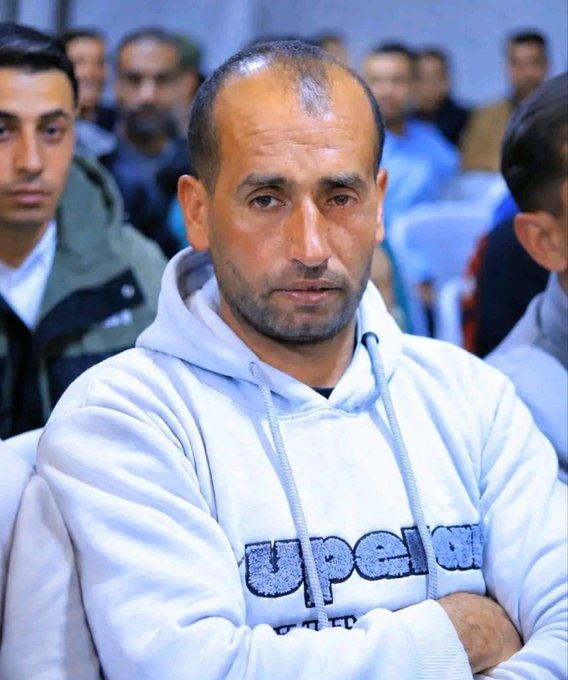
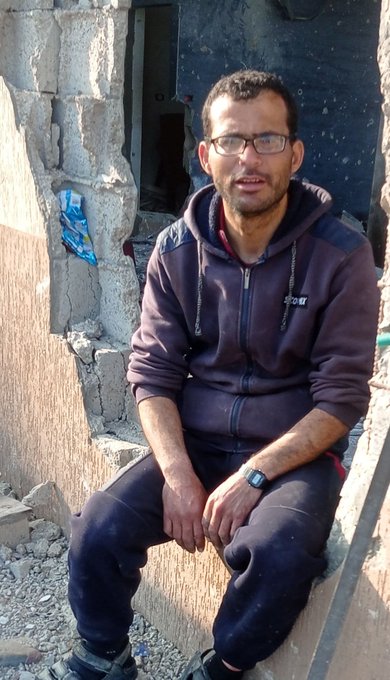
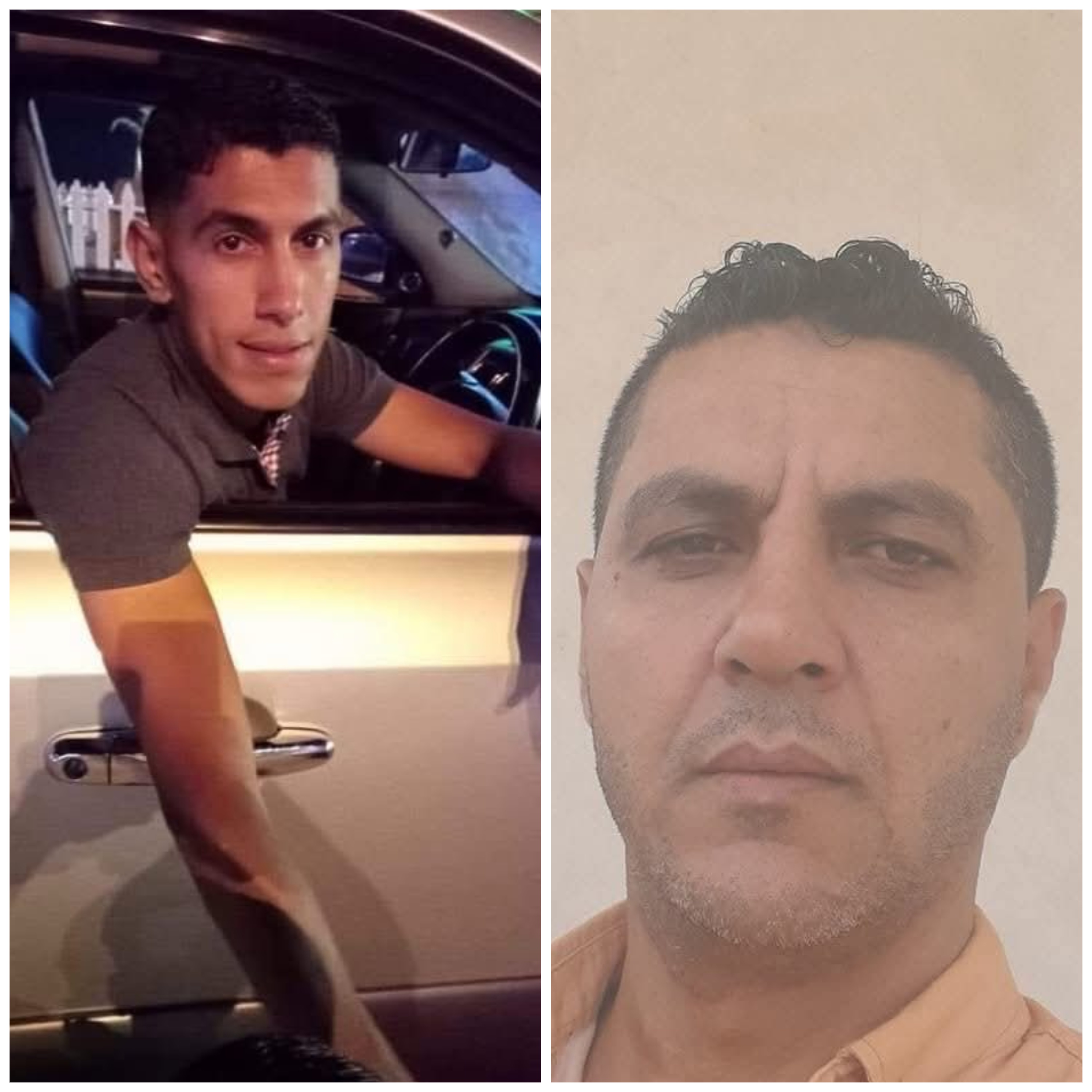
On the afternoon of March 7, an Israeli settler known to local residents opened fire on Palestinians in Khirbet Wadi al-Rakheem in Masafer Yatta, killing Amir Mohammad Shanaran and critically injuring his brother.
According to medical sources and local anti-settlement activist Osama Makhamreh, Amir Mohammad Shanaran (28) was shot in the neck and killed, while his brother Khaled Mohammad Shanaran (33) was shot with live ammunition and hospitalized in critical condition.
Witnesses said the brothers were near their home when armed settlers from the illegal settlement of Susya opened fire on them.
## **Casualties:**
Martyr:
1) Amir Mohammad Shanaran (28)
Severly injured:
2) Khaled Mohammad Shanaran (33)
During the same attack, several members of the Shanaran family were injured while attempting to confront the settlers.
1) The brothers’ father was severely beaten, suffering head injuries and bruises.
2) Their aunt sustained a fractured leg.
3) Their uncle and two cousins were also beaten, leaving them with multiple bruises.
In total, five family members were hospitalized after severe physical assaults during the attack.
## **Israeli Army statement:**
The Israeli military said the shooter was a reservist soldier who arrived after reports of clashes between settlers and Palestinians.
Israeli Military Police said a preliminary investigation had found that the shooter was a reservist soldier who arrived on the scene after being alerted to the confrontations between Palestinians and settlers. According to the IDF, troops and police officers were dispatched to a Palestinian village in the Masafer Yatta area “following a report of a violent confrontation between Israeli civilians and several Palestinians, in which several individuals were injured.” Military police opened an investigation into the incident, the findings of which will be submitted to the Military Advocate General for review, the IDF said. The Israel Police also launched an investigation and collected findings at the scene.
## **Investigation of the Naboth's Vineyard @nabothVin org:**
In the Palestinian village of Susya, last Saturday (7 March 2026), tragedy struck. Amir Muhammad Shanran was shot and killed, and his brother Khaled critically wounded. What happened that day is only the latest chapter in a story that began nearly 30 years ago : the perpetrators belong to the Luski family, settlers living in an illegal outpost at the archaeological site known as Ancient Susya. The outpost was established decades ago on land expropriated by the Israeli state in 1986. Although demolition orders were issued, they were never enforced. Over the years, the family received state support—including a mortgage from the WZO Settlement Division intended for carpentry and livestock—allowing them to expand their presence. Originally sheep farmers, the Luskis eventually moved into cattle ranching, building an illegal cowshed near their home. The herd routinely trespasses onto Palestinian fields, destroying crops.
On Saturday, March 7, 2026, the Luki family drove their cattle more than a kilometer into Shanran farmland, sparking a confrontation. When the Shanaran brothers tried to drive the cows away, Luria Luski, armed with a weapon supplied by the Israeli army, opened fire. The video footage shows Amir lying motionless, while the cows continued grazing calmly nearby—a stark contrast to the violence unfolding.
Violence runs in the family. Luria’s father, Gadi Luski, and brother, Shem Tov Luski, have long records of attacks on Palestinians, including incidents so severe they occasionally led to prosecution. Yet accountability remains rare.
This killing is not an isolated event. In the same week, four other Palestinians were shot by settlers in nearby villages. Experience shows that perpetrators rarely face consequences—even when attacks are recorded on video.
The IDF’s response to the Shanran killing illustrates how normalized such violence has become. Their statement described the shooter as “an IDF reservist who arrived following a report of an assault” and noted that two Palestinians were hit, with one dying from his wounds.
In the West Bank today, under a government that often turns a blind eye, any Israeli holding a weapon has, in effect, a license to kill Palestinians. And in Susya, decades of state-backed settlement expansion and unchecked settler violence have made that deadly reality painfully clear.
## **Testimonies gathered by B'tselem field investigator:**
B’Tselem field researchers Manal Ja’bari and Nasser Nawaj’ah collected testimonies from several witnesses on 9 March 2026:
**Muhammad Shinaran, 57, a father of 10 including Amir, related:**
Members of the Shinaran family demanding a settler remove the cattle from their land at the beginning of the incident. From video footage courtesy of the family
I live with my wife Sumayah, 57, and two of our sons, Khaldun, 24, and Hani, 22, in Khirbet Wadi a-Rakhim. Our three married sons – Amir, Khaled and Ayman – live nearby with their families. My brothers also live here with their families. I work as a farmer.
I’ve been living on this land since I was born. It was passed down to us from our parents and grandparents. Over the years, we have suffered repeated attacks by settlers on our land and our families, but since the events of 7 October, their attacks have become more violent and brutal.
The settlement of Susiya was established about two kilometers from our homes and land. Then, after 7 October, settlers set up several new outposts in the area, only about 400 meters from our homes.
On Saturday, 7 March 2026, at around 4:00 P.M., after finishing the evening prayer, I left the mosque with my sons and brothers. On our way home, we heard my grandchildren shouting at settlers who were grazing their cows on our planted fields, about 200 meters from the house. I saw four settlers – two boys aged about 14-16, a man in his 50s, and the settler “Nahman,” who has set up outposts in the area and whom we know from previous incidents. They were grazing about 15 heads of cattle in our wheat and barley fields.
The moment the settler grabbed Muhammad Shinaran’s phone to prevent the attack from being filmed. From video footage courtesy of the family
I shouted at them, too, but they ignored us and refused to leave.
I went towards them with my brother Hussein, 49, his son Muhammad, 24, and our nephew Hareth, 18. The settlers were holding clubs and sticks. We spoke to them calmly and asked them to stop grazing the cattle on our land. I documented what was happening on my phone, so they wouldn’t accuse us of attacking them or doing anything violent afterwards. The settler Nahman snatched the phone from me, threw it on the ground and stomped on it until it broke.
They refused to leave and continued grazing the cattle on our land. I was holding an irrigation pipe, and Hussein and Hareth were holding sticks we use for herding. We tried to get the settlers and cattle to move away by ourselves, and then the settlers attacked us, swinging clubs. Nahman punched me hard with brass knuckles in my left eye. I felt sharp pain and started bleeding above my eyebrow. We decided to leave and head home.
Khaled Shinaran lying wounded on the ground after being shot. From video footage courtesy of the family
We had only taken a few steps when an ATV drove up carrying two settlers – one in a military uniform with a rifle, whom we know as Luria (Luria Luski), and the other, whom we know as Shem Tov (Shem Tov Luski), in civilian clothes. As soon as they arrived, Nahman said to them: “Kill them all.”
The armed settler fired a shot in the air. At the same time, Nahman beat me with a club on my head and legs, and the others attacked my brother Hussein and Hareth.
My son Amir arrived and saw Nahman beating me. Amir shouted at him, but the armed settler shot him from about five meters away, hitting him in the neck. Amir fell to the ground, bleeding heavily.
My son Khaled and my daughter-in-law Hajar, Ayman’s wife, also arrived. The settler fired again and the bullet hit Khaled – it went through his right arm and lodged in his abdomen. Hajar screamed hysterically and tried to film what was happening while the armed settler stood there with his gun, showing no remorse.
Amir, Khaled and I were taken in private cars to Abu al-Hasan al-Qassem Hospital. The doctors pronounced Amir dead upon arrival. Khaled was transferred to al-Ahli Hospital in Hebron, where he had surgery and is now in intensive care. I was treated and the wound above my left eyebrow was stitched. My left eye was swollen and I could barely see.
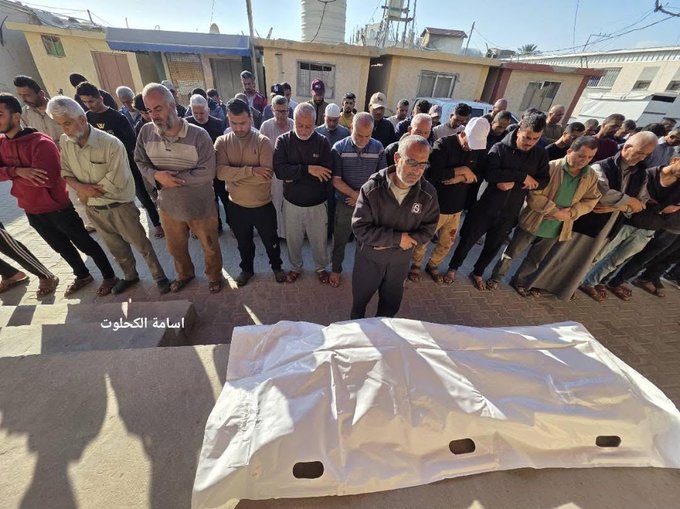
I was discharged that evening and returned home, heartbroken over my son’s death. Soldiers had closed off the area and confiscated the recording device of our security cameras. Amir’s funeral was held on Sunday at the family cemetery in Yatta.
**Hajar Shinaran, 35, a mother of five, recounted:**
One of the settlers with the cattle on the Shinaran family’s field. From video footage courtesy of the family
On 7 March 2026, at around 4:00 P.M., while I was preparing the iftar meal, I heard noise outside. I looked out the window and saw four settlers leading a herd of cows into our wheat and barley field and setting them to graze on our crops.
My brother-in-law’s children called out to them and asked them to leave. At that moment, my father-in-law Muhammad Shinaran arrived with his brothers and relatives after finishing prayers at the mosque. He went over to the settlers with his brother Hussein and nephew Hareth. I watched from my yard as they spoke to the settlers and tried to move the cows away from the field.
A settler called Nahman attacked my father-in-law, and then I saw him and Hussein leave the spot. While they were heading away, an ATV drove up with two settlers – one armed and in military uniform, and the other in civilian clothes. I took my phone, started filming, and went towards them. Amir, my husband’s brother, arrived after me.
The settlers attacked Muhammad, Hussein and Hareth with clubs. I saw Nahman hitting Muhammad with a stick. When Amir stepped forward to defend his father, the armed settler fired a shot in the air and another one at Amir, from about five meters away, hitting him in the neck. Amir fell down.
Meanwhile, my brother-in-law Khaled arrived. When he saw the settler shooting Amir he started shouting at him. The settler fired again and hit Khaled in the abdomen. Khaled fell, and I shouted at the settler “God will break you” and went over to Amir to check on him. He was bleeding heavily from the neck. I screamed hysterically at the settler, who stood there holding his gun apparently unconcerned after shooting two people.
At the point, some young guys came and drove the wounded men in private cars to Abu al-Hasan al-Qassem Hospital in Yatta. I went home. At home were my mother Jabariyah, Amir’s wife Dalal and their two kids, 2 and 1.5 years old, Hussein’s wife Samaher, our neighbor Hanan, and several other women.
At that point, an Israeli police patrol car arrived, along with many soldiers who declared the area a closed military zone. Soldiers broke into our home and confined me, the children and the other women in the kitchen, while a soldier stood at the doorway pointing his gun at us. The children were terrified of him and trembled with fear.
Dalal was crying with worry over her husband Amir and hugging her children. The soldiers tried to check the security camera recorder and demanded I give them the password. I said I didn’t know it, so they called my husband from my phone and demanded it from him. I think he said he didn’t know it. Meanwhile,
we learned Amir was dead started screaming and wailing. Through the kitchen window, which overlooks the field, we saw the settlers outside dancing and celebrating, and the soldiers joined in. More settlers arrived, and they were about 30 in total.
While they were searching the house, soldiers found a plastic toy gun and some sticks we use to shepherd the flock. They showed us the sticks and toy gun and started shouting at us, swearing and saying we were terrorists who use the sticks to attack settlers. I told them it was just a plastic toy and the sticks are for herding.
They held us in the kitchen until around 9:00 P.M., and we couldn’t prepare the iftar meal.
At around 9:30 P.M., the soldiers left, taking the security camera recorder with them. My father-in-law came home later that evening from Abu al-Hasan al-Qassem Hospital, with his left eye swollen and bandaged. He was devastated by Amir’s death and cried all night. Khaled was taken to al-Ahli Hospital and is still in intensive care there.
**Broader context:**
According to the Wall and Settlement Resistance Commission, four Palestinians have been killed by Israeli settlers since the beginning of 2026, and 40 Palestinians have been killed by settlers since the start of the Gaza war on October 7, 2023.