
Genocide .live

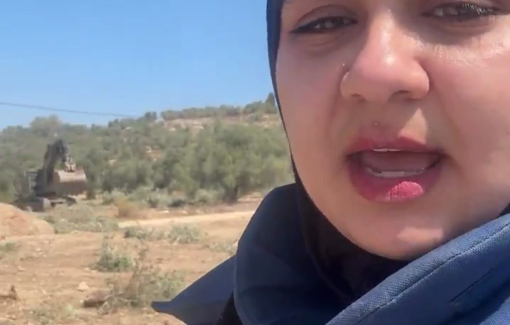
New settlement system around Arraba (Mabo Dotan / Emek Dotan)
West Bank, Jenin, Arraba
09 August, 2026
the 2026 developments appear to be creating a new territorial system around Arraba, combining military infrastructure, settlement expansion, a newly established settlement, road construction and restrictions on Palestinian land access. This is considerably broader than simply enlarging Mabo Dotan settlement (founded in 1978). But also seizing land around Arraba, establishment of a new settlement (Emek Dotan) and the consruction of a road between the both.
Mabo Dotan (Mevo Dotan) is an existing Israeli settlement, established 1978. The planned expansion is ~455 units.
Emek Dotan is a new Israeli settlement, established on August 9, 2026 for ~22 families initially on the former Menashe Brigade HQ evacuated in 2005 during the "disegngagement" wave.
The Military site at the east of Arraba: ~128.6 dunams seized + dedicated access road
**January–February 2026 — Military reactivation**
Israel began reactivating military infrastructure around Arraba.
A particularly significant site is the former headquarters of the Menashe Brigade, evacuated during Israel’s 2005 disengagement. The site would later become the location of the new Emek Dotan settlement.
From 1 March, three Palestinian families — 13 people, including five children — were forced to leave their homes in Arraba. According to OCHA, the Israeli military had been periodically using the houses as observation posts, near a military site reportedly being reactivated.
**March 2026 — Military land seizures and road construction**
On 13 March, Israeli military orders seized 128.6 dunams east of Arraba for the expansion of a military site; another 3.6 dunams for a road serving the site. A further order targeted 21.43 dunams for vegetation removal near the military site.
There is a separate military development directly east of Arraba.
**25 March / April — Decision to establish new settlements including Emek Dotan**
On 25 March, Israel's Security Cabinet approved the establishment of 34 new settlements/outposts in the West Bank. Emek Dotan was among the new settlements announced in this wave. The project was connected to the broader settlement-expansion strategy promoted in northern Samaria.
**May–July 2026 — Emek Dotan takes shape**
Preparations began to establish a new settler community on the former Menashe Brigade military site. The project was promoted by the Samaria Regional Council and Amana, with the settlement presented as part of a broader effort to establish new Jewish communities in northern West Bank. At the same time, plans were advancing to expand the existing Mabo Dotan settlement.
**July 2026 — Expansion of Mabo Dotan**
A plan was advanced for approximately 455 new housing units in the existing Mabo Dotan settlement. The expansion involves approximately 539 dunams of Arraba land.
**29 July 2026 — Major land seizures for roads**
The Israeli military issued 15 land-seizure orders in the Jenin governorate, covering roughly 200 dunams. Fourteen of the orders concerned roads, together exceeding 11 km. Several orders affect privately owned Palestinian land belonging to residents of Arraba and neighboring communities. The road network is intended to create territorial connections between the new settlements, including Emek Dotan and Noa.
**9 August 2026 — Emek Dotan officially established**
Israeli ministers and Knesset members inaugurated Emek Dotan on Palestinian land belonging to Arraba. Around 22 settler families initially participated in the establishment of the settlement.
Prefabricated structures were brought to the site and families began moving in. The location is particularly significant because it occupies the site of the former Menashe Brigade headquarters.
**9 August — Palestinian homes used as military positions**
On the same day, Israeli forces temporarily seized a Palestinian home in Arraba, expelled its resident and turned the house into a military post.
Other Palestinian homes were reportedly used as military positions in order to secure access to the new settlement inauguration.
**August 2026 — Encroachment on Palestinian properties**
A Palestinian family’s house was left approximately 50 metres from the new Emek Dotan settlement. Palestinian farmers were subjected to removal orders and restrictions affecting agricultural land. One farmer was reportedly given only 48 hours to remove his agricultural installation, forcing him to harvest grapes prematurely.
**September 1–5 2026 — Large-scale land clearing**
Israeli bulldozers began leveling agricultural land and uprooting olive trees along the Arraba–Ya'bad road, around Arraba station and toward Nablus Road. Approximately 223 dunams were reportedly affected.
Farmers were prevented from reaching their land.
At the same time, demolition/construction-stop orders were issued against four Palestinian houses belonging to the Rahhal family near Emek Dotan.
**The sequence of the colonization:**
Military reactivation
↓
Palestinian evictions / homes converted into military posts
↓
Military land seizures
↓
Construction of military roads
↓
Government decision to establish new settlements
↓
Expansion of Mabo Dotan
↓
Establishment of new Emek Dotan settlement
↓
New roads connecting settlement blocs
↓
Further restrictions / eviction orders
↓
Large-scale agricultural land leveling and olive-tree uprooting
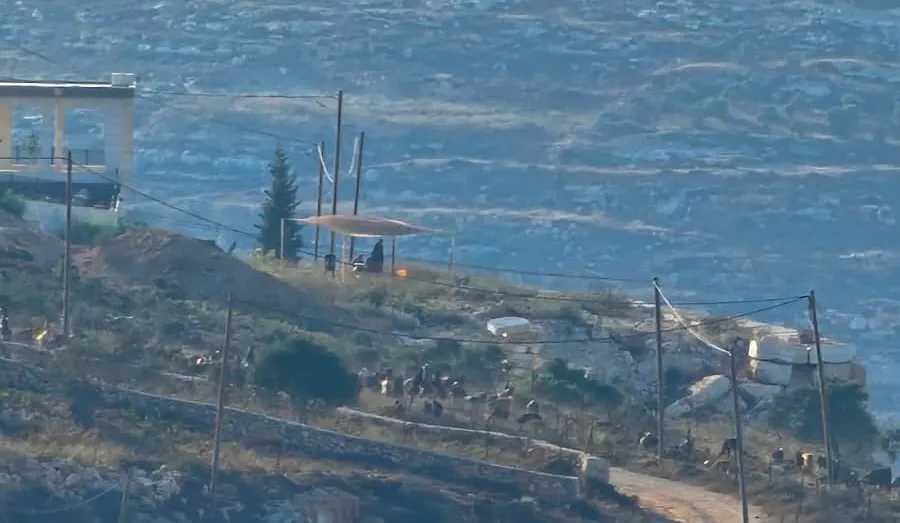
Palestinian houses besieged by settlers and soldiers in Qusra
West Bank, Nablus, Qusra
09 August, 2026
**On August 9**, Israeli settler gangs from the nearby outpost (Givat Tel Talpiot) surrounded three Palestinian family's homes on the outskirts of Qusra, (Ras Al Ain hamlet) south of Nablus, in Area B of the occupied West Bank, preventing the family from entering or leaving.
The targeted houses were a compound of three homes, behind walls and security gates, including the two-story home of Yousef Hassan, a Palestinian-American, and his family, where they have lived for five years. The people trapped inside were Yousef Hassan, his wife, their two young daughters (aged 2 and 4), his mother, brother, sister, and three neighbors. Two other Palestinian family in the area was also under siege. These houses had been targeted for months, on a daily basis, as the independent journalist Nathaniel Jasper reported six weeks before. The soldiers, when called, contributed to harassing residents by searching or arresting them instead of the perpetrators. Settlers engaged in nightly stone-throwing, obscene language, shouting, and attempts to break into the house. Hassan noted that while the harassment had gone on for seven months, it had escalated sharply in recent days.
This group of settlers is the one that besieged the Tabasi house in Jalud, on the other side of the mountain, and finally, with the help of the army, seized it and has continued to occupy it until now.
## **Timeline:**
**On Sunday, August 9**, the Israeli settlers set up a makeshift tent/structure (a "sukkah") directly outside the entrance of Hassan's home, under the mother outpost of Tel Talpiot, on the nearby mountain, an illegal hamlet several times evacuated and destroyed by the Israeli army and several times rebuilt. Settlers cut off the electricity lines and water supply to the property, while Hassan managed to maintain limited device power using a solar panel. They blocked the road with rocks and prevented the family from reaching essentials such as food and clean water. They attempted to break into the houses and threw stones towards the windows.
The IDF enforced a Closed Military Zone order, originally issued in June, officially to protect the family but, on the ground, to block journalists and solidarity activists. While the order, on paper, prohibits anyone except Palestinian residents from entering the area, in practice, the settlers were permitted to move freely and remain at the site.
On Sunday, spatial defense soldiers arriving at the scene were filmed praying with the settlers, taking photos at the encampment, and completing a quorum (minyan) for evening prayers at the outpost.
**On Monday, August 10**, the family's food supplies were running low, and Hassan's two-year-old daughter developed a high fever and began vomiting. Activists, including AndreyX and Adele Shoko, tried to reach the house to provide food and medicine, but were stopped by the soldiers posted in the zone. When they came back in the evening with an ambulance in order to transfer the toddler and her mother to hospital and to bring food to the residents, they were violently assaulted by settlers on quads and in SUVs. This episode of terror ended with the arrest of Andrey by the army.
The Haaretz team, led by Matan Golan, trying to report on the event, was assaulted by settlers and prevented from reaching the house.
**On Tuesday, Augustus 11**, the mother and her toddler were finally evacuated by ambulance. The grandfather, who was outside the house when the siege began, stayed for days in his car to watch over his family.
Human rights organizations, including Breaking the Silence, state that the army's enforcement of military zones and protection of settlers is crucial for maintaining the siege and facilitating the forced displacement of Palestinians.
The siege continues. Settlers maintain their presence despite the involvement of smeIsraeli security forces. Though, the Central Command chief, Maj. Gen. Avi Bluth, visits or becomes directly involved and promises that the settlers will be removed, but the siege is not effectively ended.
**On August 12**, Israeli army began a major military deployment.The Israeli army and Border Police enter Qusra in force. All the village, and not only the 3 targeted houses is declared a closed military zone. Senior officers, including Avi Bluth, arrive, ostensibly to remove a settler outpost established near the besieged homes on Ras al-Ain Mountain. The army dismantles the tent of the settler structure/outpost, but settlers continue to gather and, according to reporting, return. Instead of simply removing the settlers and ending the siege, Israeli forces take control of numerous Palestinian homes including homes of the besieged families. At least 16 Palestinian families of Qusra are ordered to evacuate or are forced out.
Troop Redeployment: On Wednesday evening, IDF Chief of General Staff Eyal Zamir met with senior commanders and ordered an infantry reserve battalion back from leave to reinforce West Bank troops and maintain operational control.
**On August 13, 2026**, forced evacuations and international outrage
Israeli forces forcibly remove two Palestinian families from their homes, despite earlier promises to end the settler siege. Other Palestinian homes remain occupied by soldiers. Reports describe damage and desecration of a Quran inside some homes after the military takeover. The settlers' siege of the three original homes continues.
U.S. Ambassador Mike Huckabee publicly condemns the attackers, calling the episode a “horrific act of terror” and referring to the perpetrators as “Israeli terrorists”—an unusually strong statement from him.
The Israeli military says it is acting to protect residents and remove the settlers, but the events on the ground expose its inability or unwillingness to permanently clear them.
For its part, the Israeli army announced, on Thursday, that its forces dismantled two sites set up by settlers on the outskirts of Qusra and the neighboring village of Jalud, confiscated equipment and arrested an Israeli, claiming that the deployment of forces in the area aims to "maintain security".
But the United Nations Human Rights Office said that, until Thursday, the settlers remained in the vicinity of the homes, despite the dismantling of the tent they had set up between them.
**On Augustus 14, 2026**, sixth day: the siege was still not over. Around 15 Palestinians remained trapped in three homes, with settlers still restricting access. The army withdrew from most of the Palestinian homes it had occupied, but the settler siege continued. About 80 Israeli activists, including members of the "Rabbis for Human Rights" organization, Jonathan Pollack and Houria Al-Saadi, attempted to bring food and supplies face military blockade and are prevented from directly reaching the besieged families; supplies have to be transferred under restricted conditions.M.K. Ofer Cassif managed to rach the house, with his Parelmentary immunity, and to bring food and water t the residents.
The mayor of Qusra describes the repeated military removal of the nearby settler outpost as “just a performance”, noting that the Ras al-Ain outpost had reportedly been evacuated nine times in seven months, only for settlers to return.
The UN human rights office and the Palestinian Foreign Ministry condemn the siege. The White House also pressures Israel to publicly condemn the settlers.
**On Augustus 15, 2026**, the situation remains unresolved. The immediate military operation had been scaled back and many of the houses occupied by soldiers had been vacated.. The families remained fearful that the objective was to force them to abandon their homes, allowing settlers to take control of the properties afterward.
On August 29, 2026, dozens of masked settlers attacked Palestinian workers in a building under construction, throwing stones. The IDF arrived afterward. The army later said the settlers barricaded themselves inside the building and injured several Palestinians.
A Palestinian resident told Haaretz that an ATV carrying three settlers arrived first; about 15 minutes later, dozens more armed and masked settlers arrived in a procession of pickups. Some surrounded the building, throwing stones from all directions. Police were called, but the military arrived 40 minutes later. Soldiers ordered the Palestinians inside, then threw two stun grenades into the building. The resident and two others were injured by stones. TThe soldiers detained the Palestinian for two hours, then taken away in military vehicles, beaten—including with rifle butts—and released near Duma. He said: “The soldiers took us off the vehicle and beat us, even with the butt of the weapon.” The soldiers stole their tools and equipement.
Journalist Matan Golan documented soldiers standing near the building while settlers threw stones and later entered through a window. She wrote that the settlers were not arrested, while the residents of the attacked house were.
Palestinian reports said the Red Crescent had difficulty reaching the village, with claims that the IDF prevented ambulances from entering. Three houses in the village had reportedly been occupied by settlers for three weeks.
Benjamin Netanyahu condemned the attackers as “a handful of rioters who cause injustice to the settlers and harm Israel's status in the world.” He claimed the security forces “acted quickly” and ended the incident rapidly, although Haaretz reported that settlers subsequently returned.
President Isaac Herzog called the violence “crossing a red line” and demanded that the government, security forces, judiciary and enforcement authorities act to bring the rioters to justice.
## **Official Military Responses & Actions:**
On Wednesday morning, Gen. Avi Bluth, the IDF regional commander, visited the site and promised Hassan that the settlers would be evacuated. A few reserve soldiers removed the settlers' tent but left their bedding and personal items. After clashes with settlers, troops withdrew, leaving the settlers at the site.
**IDF Spokesperson Statements on August 10:**
The IDF stated that commanders were "gravely concerned" about settler actions and that soldiers who supported them faced disciplinary action. It confirmed that the military was working with police to bring those responsible to justice, though no clear timeline was provided for lifting the siege.
**Troop Redeployment:**
On Wednesday evening, IDF Chief of General Staff Eyal Zamir met with senior commanders and ordered an infantry reserve battalion back from leave to reinforce West Bank troops and maintain operational control.
## **Historical Violence in Qusra:**
The current siege is taking place meters away from where 28-year-old Amir Moatasem Odeh was killed by a settler from the same violent outpost in March, and his father was stabbed. No arrests have been made for the attack, although six months of house arrest were ordered for one of the outpost's residents in connection with this murder.
## **Thread by Breaking the Silence on Augustus 11**
"A Palestinian family is besieged by the IDF and settler terrorists in Qusra, in the West Bank. No one is allowed in or out: no food, no ambulances, no journalists. This is a new method for carrying out the same policy: forcing Palestinians off their land. Here’s how it works🧵
The Hassan family, including two daughters aged two and four, lives in the home. After 7 months of harassment, settlers erected a hut outside the house two days ago and blocked anyone from entering or leaving. They also cut the electricity and tried to break in.
What are the soldiers doing? They’re in Qusra, too, praying with the perpetrators. The IDF’s involvement is not limited to hanging around with the criminals at the literal scene of their crime. The army’s involvement is crucial for maintaining the siege.
The army’s there for settlers’ protection, and no less important, to make sure journalists, solidarity activists, and ambulances can’t reach the family. For this purpose, the IDF is exploiting a closed military zone order it issued in June. On paper, the order bars anyone but the Palestinian residents from entering the area. In practice, violent settlers are more than welcome, while an ambulance trying to treat Hassan’s daughter is turned away. The idea is simple: scare the family out, then the settlers will take over the house.
In July, that’s what they did in Jalud. Back then, settlers, too, besieged a family for two weeks while the IDF issued a closed military zone to keep journalists out. Eventually, the family fled, and the settlers took over. To facilitate ethnic cleansing, the army uses Closed Military Zone orders a lot. Amid terror attacks, it systematically uses them to force solidarity and protective-presence activists out while allowing terrorists into Palestinian villages or Palestinian olive groves during harvest season.
Violent settlers may do the “dirty work” of daily terror against Palestinian men, women, and children, but neither this terror nor ethnic cleansing would be possible without the army’s support. Village after village, house after house. It keeps happening because it is policy."
**UN HROffice statement:**
The United Nations Human Rights Office stated that Israeli forces were present at the scene and did not initially intervene to end the siege, but rather prevented paramedics, solidarity activists, and journalists from reaching the families, before soldiers dismantled a settler tent on Wednesday, while settlers remained around the homes the next day.
The United Nations says that the settlement outpost from which settlers set off towards the Ras al-Ain area was established near Qasra in November 2025, and that the following months witnessed an escalation in home invasions, physical attacks, vandalism, theft and burning, including targeting a mosque.
The United Nations Human Rights Office said that what is happening in Qasra makes the lives of families "unbearable", and that the pattern of restrictions on them aims to force them to leave their homes and lands, warning of the danger of their forced displacement.
The United Nations considers all Israeli settlements and outposts in the West Bank, including East Jerusalem, illegal under international law, and demands that Israel stop settlement activity, protect Palestinians from settler attacks, and hold their perpetrators accountable.
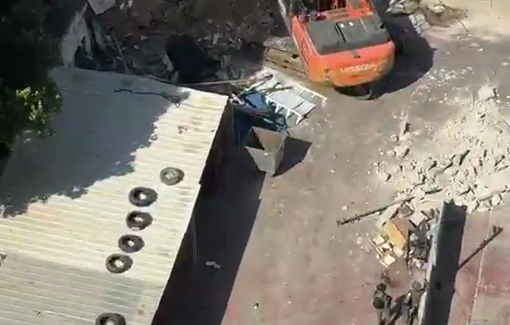
Military operation on Qalandia RC and Kafr Aqab
West Bank, East Jerusalem/Al-Quds, Qalandia RC
05 Aug, 2026 - 07 Aug, 2026
On Augustus 5, 2026, at 02:40, dozens of military vehicles stormed Qalandia camp, carrying boxes, equipment and maps. The Israeli forces stormed raided and searched a number of homes and the headquarters of the Popular Committee, occupied a house and turned it into a military point, detained a number of citizens, and released them after conducting a field investigation with them.
The Israeli soldiers distributed leaflets stating that “a large-scale operation” in the camp was under way.
Israeli forces deployed heavily inside the camp and carried out house-to-house raids. Israeli army had arrested at least 20 people including a woman. They kept 3 detainees: Al-Askari - Ghassan Al-Khatib, Al-Askari - Adham Naeem Badran, and Muhammad Karim Abu Latifa. Among them, 2 soldiers from The National Security and Customs Police.
They also demolished a vehicle wash on Airport Street, owned by the citizen Rabie Hamad - resident of Qalandia camp, under the pretext of not having a license.
At noon on 05. 08. 2026, the soldiers forces fired stun grenades and tear gas towards citizens and journalists, in an attempt to obstruct media coverage.
They beat 2 citizens (one of whom was the journalist Muhammad Sumrin) while he was covering the raid and fired stun grenades at other journalists.
They took up positions on residents' roofs after forcibly removed several residents from their homes. They occupied a house owned by a citizen of the Mansour family, and turned it into a military point.
Footage posted by Quds shows several Israeli soldiers aggressively confronting a Palestinian man, who appears to be unarmed, before tackling him to the ground while pointing assault rifles at him. Local mosques were prevented from holding dawn prayers.
They also raided an UNRWA vocational training centre.
The Palestine Red Crescent Society (PRCS) reported treating eight Palestinians beaten by Israeli forces and evacuating five patients after access to injured and sick residents was obstructed.
**Report on Augustus 6:**
Since 02:40 on 05. 08. 2026 The Israeli forces continue to storm Qalandia camp, closed a number of its entrances with dirt barriers, imposed a curfew, raided and searched many homes, occupied a number of homes and turned them into military points, detained many citizens, and released them after conducting a field investigation with them, and arrested 3 Citizens (including a female citizen), after demolishing part of one of them’s house with explosives before arresting him, and opened fire on a citizen, wounding him It severely beat 14 citizens (including a citizen and his son), and demolished a number of shops in the vicinity of the Qalandiya military checkpoint.
On Augustus 5, at 21:50, the soldiers opened fire on a citizen, Youssef Khaled Shehdeh Kasba, wounding him. He was subsequently admitted to the government hospital in Ramallah for treatment.
On Augustus 6, the Israeli forces in Qalandia camp and the town of Kafr Aqab severely beat 18 citizens, causing them to suffer bruises, among them, Alaa Ali Aslan, Youssef Khader, Ibrahim Musa Mutair, Muhammad Musa Mutair, and Shadi Suleiman Zayed. The soldiers in Qalandia camp opened fire on a citizen, Mahmoud Al-Afandi, and wounding him. He was subsequently admitted to the government hospital in Ramallah for treatment.
On Augustus 6, those known among the detainees in Qalandia camp are: Al-Askari - Rabie Muhammad Youssef Hamad, Khalil Asaad Manasra, Haitham Yaqoub, Muhammad Ibrahim Abu Latifa, Anas Ziyad Wahdan, Muhammad Jamal Ammar, Samih Abu Rumaila, Majd Awad Kharoub, Anas Wahdan, and Muhammad Karim Houria.
**On Augustus 7**, the Israeli forces withdrew from the Qalandia refugee camp north of occupied East Jerusalem late Thursday following a destructive two-day military raid that left 51 Palestinians injured, according to the Jerusalem Governorate.
**Israeli official statement:**
“The army has begun carrying out a wide-scale operation in Qalandiya camp,” Yoram Halevy, Israel’s coordinator of activities in the Palestinian territories, said on Facebook. Halevy did not specify how long the operation would last. He called on Palestinians to “comply with the instructions of security forces during the operation and avoid any unnecessary friction.”
"Security forces are operating in the Qalandia camp area in order to thwart terror and apprehend wanted individuals," a military official told AFP.
COGAT, the Israeli defense ministry body in charge of civilian matters in the Palestinian territories, said in an Arabic-language statement that the large-scale operation targeted "terrorist elements, terrorist infrastructure, and the possession and trafficking of weapons". "We will not allow the camp to become a center of terrorism or a safe haven for terrorists and criminals, just as we do not allow this in other camps throughout Judea and Samaria," the statement added, using the biblical name for the West Bank, which Israel has occupied since 1967.
**Broader context:**
In 2023, Israeli Prime Minister Benjamin Netanyahu's government advanced plans for the construction of a 9,000-unit settlement on the grounds of Jerusalem's former Atarot airport, adjacent to Qalandia. Palestinian residents have since voiced fear that raids and home demolitions could be tied to a strategy of eviction ahead of settlement construction, without any official word from Israeli authorities.
**Al Haq [statement:](https://x.com/alhaq_org/status/2085390248016544047?s=20)**
(@alhaq_org | الحق)
"On 4 Aug. 2026, Israeli Occupying Forces (IOF) launched an ongoing raid on Qalandiya Refugee Camp, north of Jerusalem, sealing all entrances, deploying bulldozers and heavy military vehicles, and besieging the Qalandiya Vocational Institute.
IOF are carrying out widespread raids on homes and arbitrary arrests across the refugee camp. Around 60 Palestinians have reportedly been detained, with released detainees reporting threats of re-arrest and some subjected to severe beatings.
Homes and property belonging to camp residents were reportedly vandalised and looted during the raid, including the theft of gold jewelry. IOF also destroyed doors and windows of the Jamil Ammar family home after removing the family from the property.
IOF prevented journalists from entering Qalandiya Refugee Camp and reportedly assaulted members of the press covering the raid, restricting independent documentation of events.
Nearly 19,000 residents of the camp face growing fears of forcible displacement amid repeated military operations and escalating pressure on refugee communities.
The ongoing raid on Qalandiya Refugee Camp comes amid a wider assault on Palestinian refugee camps. Last year, residents of Jenin and Tulkarm refugee camps were forcibly transferred, in the largest forcible transfer of Palestinians in the occupied West Bank since 1967.
This raid also comes after Israeli Defence Minister Israel Katz issued instructions to the IOF last week to expand the scope of the military assault on the occupied West Bank and prepare to occupy another Palestinian refugee camp."
**Perpetrators:**
The operation began during the night of 4–5 August in Qalandiya refugee camp and Kafr Aqab, and Israeli reporting identifies the area as being under the Binyamin Regional Brigade (חטיבת בנימין). The operation involved,
IDF, Shin Bet ( שב"כ ), Border Police / Magav (מג"ב) and Jerusalem District Police. Israeli reporting describes it as a coordinated operation for arrests, interrogations and "law enforcement. "The units involved include combat troops, intelligence and special units, and they operate in tandem with regular surveillance of the area."
**Urgent call from Israeli and Palestinian NGO released on Augustus 6:**
*Urgent Call for Diplomatic Action: Prevent Irreversible Displacement in Qalandia Refugee Camp*
"Today, Israeli forces launched a large-scale military operation in Qalandia Refugee Camp. Located between Ramallah and Jerusalem, adjacent to Qalandia Checkpoint, Qalandia is one of the largest refugee camps in the central West Bank, with more than 16,000 registered Palestine refugees. The operation has involved a sustained military presence inside the camp, raids on civilian homes, arrests, and the use of residential buildings as military positions and interrogation sites. Residents report of widespread fear and uncertainty.
These concerns are not speculative. Since January 2025, Israeli military operations in the Jenin, Tulkarm, and Nur Shams refugee camps have resulted in the prolonged displacement of tens of thousands of Palestinian refugees, extensive destruction of homes and civilian infrastructure, and the continued denial of residents' return. More than eighteen months later, tens of thousands remain displaced and continue to face a severe humanitarian crisis. Despite sustained legal and diplomatic efforts, including proceedings before the Israeli High Court of Justice, residents have not been permitted to return to their homes. What began as military operations has evolved into a prolonged displacement and lasting transformation of entire refugee camps. Prolonged displacement, widespread destruction of civilian infrastructure, and the effective emptying of entire refugee camps amount to grave infringements of international humanitarian law and international human rights law, including the prohibitions on forcible transfer, collective punishment, and arbitrary interference with the right to housing and family life.
Against this backdrop, recent statements by Defence Minister Israel Katz are particularly alarming. Last week, Minister Katz announced that he had instructed the military to prepare to take control of an additional refugee camp in the West Bank and displace its residents. According to media reports, the Security Cabinet has also discussed expanding military operations to other refugee camps. The ongoing operation in Qalandia therefore raises serious concerns that the approach implemented in Jenin, Tulkarm, and Nur Shams is now being extended to another refugee camp.
Qalandia may be One of the Last Opportunities to Prevent the Repetition of this Pattern
The experience of the northern West Bank demonstrates that once refugee camps are emptied, homes demolished, and residents prevented from returning, subsequent legal proceedings and diplomatic engagement have thus far proven unable to reverse the resulting reality. The window for effective action therefore exists now, before another refugee camp undergoes the same process. At this stage, sustained and coordinated international engagement may be the only realistic means of preventing another mass displacement and the creation of further irreversible facts on the ground.
We therefore urgently call upon diplomatic missions to:
1. Seek immediate clarification from the Israeli authorities regarding the objectives, scope, and anticipated duration of the operation in Qalandia Refugee Camp.
2. Convey clear opposition to any measures involving destruction of civilian property, the forcible displacement of protected persons, or the prolonged prevention of residents' return.
3. Communicate publicly and privately that the replication of the model seen in Jenin, Tulkarm, and Nur Shams in Qalandia or any other refugee camp would represent a grave escalation with profound humanitarian and legal consequences.
The coming days may determine whether Qalandia remains the site of a limited military operation or becomes the next refugee camp subjected to prolonged displacement and irreversible transformation. Immediate diplomatic engagement is therefore essential while there remains an opportunity to prevent another irreversible humanitarian and legal crisis.
The Association for Civil Rights in Israel, Yesh Din – Volunteers for Human Rights, Breaking the Silence, Combatants for Peace, Akevot: Institute for Israeli-Palestinian Conflict Research, Zochrot, Parents Against Child Detention, Bimkom – Planning for Human Rights, B’Tselem – The Israeli Information Center for Human Rights in the Occupied Territories, HaMoked: Center for the Defence of the Individual, The Public Committee Against Torture in Israel, Gisha – Legal Center for Freedom of Movement, Emek Shaveh, Zazim – Community Action, Physicians for Human Rights Israel, MachsomWatch, and Ir Amim."
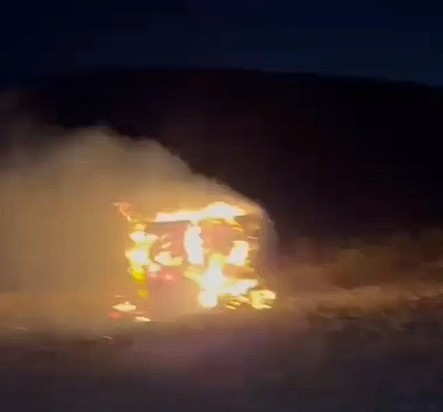
Overnight pogrom in Tuba
West Bank, Masafer Yatta, Al-Khalil/Hebron, Tuba
05 August, 2026
On Augustus 5, 2026, overnight, around 40 armed settlers entered the community of Khirbet al-Tuba, in Masafer Yatta, south of Hebron, and fled a short time later. Israeli settlers torch Palestinian homes injuring six including three women.
They assaulted citizens, and set fire to 4 citizens’ homes, resulting in 6 citizens (including women and children) suffering from suffocation, and they were taken to the hospital for treatment
six residents were injured after being attacked by settlers wielding sticks and throwing stones, the injured included a 6-year-old girl and a 36-year-old woman.
The residents subsequently filed a police complaint.
Media reports also say that Hebrew graffiti reading “Eretz Yehuda” (“Land of Judea,” a reference to the geographic region where the hamlet is located) was spray-painted at the scene.
The Palestine Red Crescent Society said its crews treated six people, including three women, for bruises sustained in the attack and transferred them to hospital.
**IDF Statement:**
IDF says settler arsonists fled before troops arrived at West Bank village. The military says that as the troops arrived, they scanned the area and “identified burned structures, graffiti, and damaged property.” However, the “suspects had fled before their arrival.” Police officers entered the village overnight with IDF escort to collect evidence and testimony for the investigation. The IDF says that it “strongly condemns incidents of this kind, including harm to residents, among them women and children.” “The IDF expects law enforcement authorities to bring the suspects to justice,” the army adds.police investigating
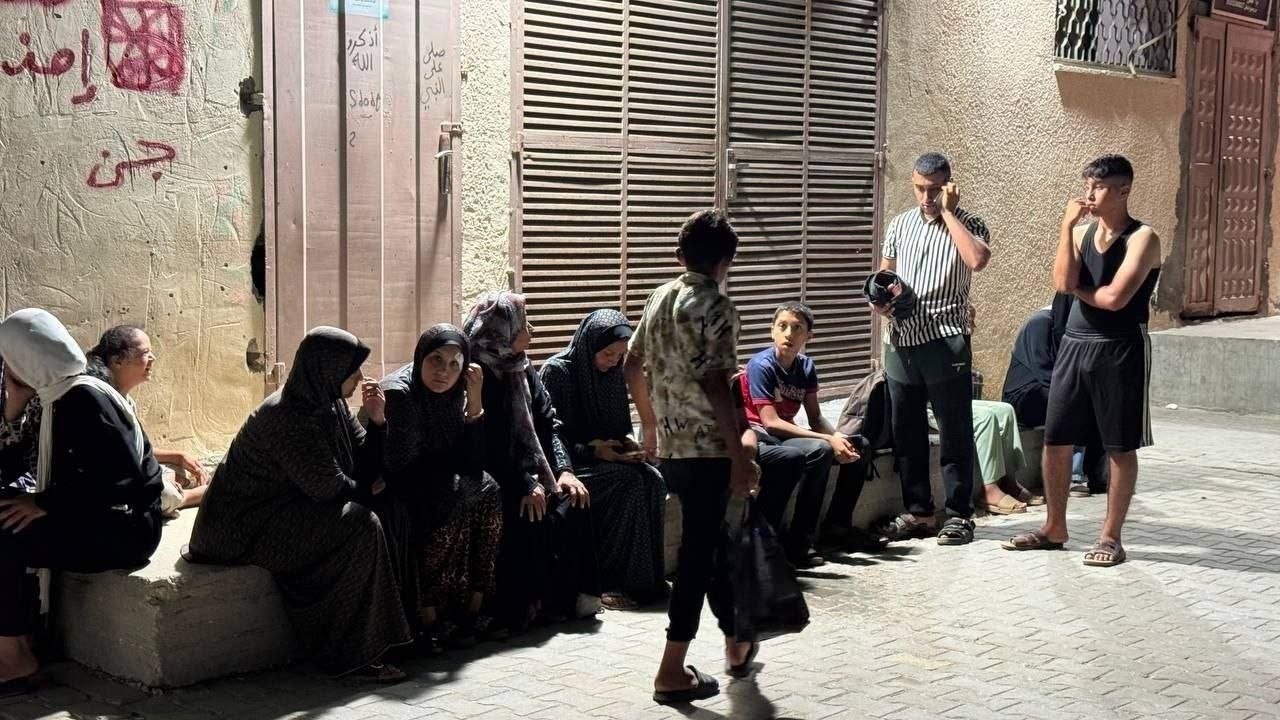
Israel bombs Al-Aqsa Martyrs Hospital's warehouse
Gaza, Deir al-Balah, Al-Aqsa Martyrs Hospital
01 August, 2026
Around 1:30 am, Israel issued forced displacement orders ahead of an impending airstrike around 2:20 am that targeted warehouses for medicine and medical supplies of Al-Aqsa Martyrs Hospital complex. The bombing completely destroyed the warehouse, damaged a clinic and tents for displaced people in the vicinity, and left behind a large crater.
This was Israel's 17th attack on the hospital.
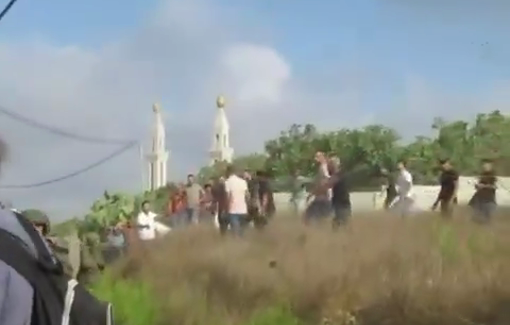
Massacre in Tell during a coordinated attack of settlers and soldiers
West Bank, Nablus, Tell
24 July, 2026
At least 4 martyred
On July 24, 2026, at 7:30, a large group of settler, including many children, went out from the Havat Gilad settlement or the Havat Gilad, near Nablus in the West Bank to an organized "hike" that turned to a pogrom in the nearby Palestinian village of Tell in the West Bank (Areas A and B, normally off-limits to Israelis). While attacking the locals, one of the victims managed to grab his attacker's weapon, and shot him to death before being martyred, to the sound of settlers (among them children) cheering and yelling "ARAB DOWN" and "REVENGE". One of the settlers then continued to execute three more Palestinians in cold blood, while soldiers were standing and watching from the side.
Four Palestinians were killed and eight wounded during the settler and security forces attack, while one Israeli settler serving in a settlement security unit was killed probably by Israeli gunfire and an IDF soldier after a Palestinian seized a rifle and fired at him in self defense: Farouq Adnan Ali Ramadan, a Palestinian sheikh snatched a rifle from one of the armed Israelis who charged at him in a threatening manner with his gun raised and aimed directly at the Palestinian. He then shot in direction of the Israeli forces. Israeli forces then shot and killed the Palestinian already on the ground. Three other Palestinians were shot dead immediately afterward in what Palestinian officials described as a field execution, and eight others were wounded in the Israeli settler and security forces attack
Shehab News reports that residents of the town of Tell confirm that the deceased settler was named "Yaakov", and he worked as a security guard for the "Havat Gilad" settlement. According to residents, he was known for his repeated assaults on Palestinian villagers in the area.
But according to Israeli medias and IDF, his name is Benyahu Mellet, Major Sergeant reservist, a member of the Havat Gilad emergency response team and responsible for agriculture in the community.
**Names fo the martyrs:**
The four martyrs, and cousins, from Telt executed in cold blood by Israel's soldiers by urging "Havat Gil'ad" terror outpost settlers, are:
1. Ibrahim Hussein Ali Ramadan, 32 years old,
2. Jawad Hussein Ali Ramadan, 27 years old,
3. Farouk Adnan Ali Ramadan, 41 years old,
4. Imran Ahmed Ali Ramadan, 37 years old.
**Other Palestinian casulaties:**
According to the Red Crescent, the number of people injured in the settlers’ attack on the village of Furayta, east of Qalqilya, has risen to eight, including six wounded by live ammunition, one struck in the head by a stone, and another injured by a rubber bullet. Three were wounded critically, as Israeli troops continued firing live rounds and blocked ambulances from reaching parts of the village. Meanwhile, settler groups set fire to homes, farms, and vehicles in widespread revenge attacks across Palestinian areas following the deaths of the two Israelis.
The 4 among the wounded (including 3 seriously) as a result of gunfire by the forces and settlers in the village of Tal are: Thaer Muhammad Ramadan, Urwa Hussein Ali Ramadan, Muhammad Khader Al-Saifi, and Nasr al-Din Hassan Asida.
**Israeli casulaties:**
1. Benayahu (Benaya) Mellet, 32 — a member of the civilian defense team/security coordinator of Havat Gilad. He was reportedly killed after a Palestinian man seized his rifle and opened fire. However, there are reports and video-based accounts suggesting that Mellet himself may have been hit by Israeli fire during the ensuing exchange, rather than being killed by the Palestinian who took his weapon. This point appears to remain disputed.
2. Maj. Yuval Ezra, 27 —a battery commander of the 411th Battalion in the 282nd Artillery Brigade an IDF officer— who was on the scene, backing the settlers, and was also killed in the exchange.
**Aftermath:**
Israel was deploying forces across the northern occupied West Bank and preparing what it calls “extensive counterterrorism operational activity” after the deadly confrontation near Tell, while settlers have begun carrying out revenge attacks on Palestinian villages. Minister Ben Gvir said Palestinian villages in the West Bank should be razed to look like Beit Hanoun in Gaza, a town Israel completely leveled, for revenge for the Palestinian resisting. The Israeli military said it postponed soldiers’ leave for the weekend, deployed additional forces, imposed roadblocks around Nablus and Tell. Israeli settlers have since launched revenge attacks on nearby Palestinian communities, wounding at least two people already, according to Israeli media, raising fears of a wider wave of violence under the cover of the military crackdown.
**Joint Statement from Prime Minister Benjamin Netanyahu and Defense Minister Israel Katz:**
Prime Minister Benjamin Netanyahu and Defense Minister Israel Katz have instructed the IDF today, following consultations with members of the Security Cabinet and the heads of the security establishment, on a series of steps in response to the terrorist attacks over the past 24 hours:
* Demolition of the home of the terrorist behind this morning's attack near the village of Tell.
* Forceful action in villages acting as terrorist hubs, including arms confiscation, revocation of work permits, and additional measures.
* Reinforcement of units throughout Judea and Samaria.
* Separation of traffic routes and checkpoints.
* Accelerating the legalization of farm outposts and establishment of new ones.
Prime Minister Netanyahu and Defense Minister Katz offer their condolences to the Mellet family, whose son Benayahu was murdered this morning in the heinous attack, wish a full recovery to the injured, and stand by the security forces and the residents in their steadfast stand against terrorism.
The Prime Minister and the Minister of Defense emphasize that the security forces must be allowed to operate freely and with full force against terrorism, and call to refrain from any action that could harm their operations or divert them from their primary mission of protecting the citizens of Israel and defeating terrorism.
**Visual investigation by Drop Site:**
1. The Palestinian man, Farouk Ramadan, initially appears to be trying to protect another Palestinian (likely his brother) when an armed settler hits him in the head with a rifle.
2. As he moves away, he is kicked or struck from behind. Still, he retreats again.
3. Israeli settlers or the surrounding soldiers (under whose protection the incursion appears to be taking place), then fire live shots. The sounds of gunshots can be heard clearly in the video.
4. An armed Israeli settler then charges directly at Farouq Ramadan and a fellow Palestinian with a gun raised and pointed at their chest, closing distance between them, as gunshots are heard in the background.
5. Farouq Ramadan disarms him, takes the rifle, and aims at the settler, and purportedly shoots him dead.
On the sequence visible in the footage, it is clear he is acting in self-defense against an imminent armed threat than the “terrorist attack” senior Israeli officials are calling it and using to justify pogroms in Palestinian villages.
Five Palestinians were ultimately killed in the broader settler and Israeli military forces attack in this incident. Dozens more have been wounded and property damaged since.
**Aftermath:**
At 09:20, the occupation forces stormed the city of Nablus, raided and searched Nablus Specialized Hospital, detained those inside, and arrested 2 citizens from inside: Al-Askari - Majd Hussein Ali Ramadan, and his brother Urwa (wounded) - residents of the village of Tell.
The Israeli forces involved was Duvdevan, under the Samaria Brigade and Shin Bet guidance, arrested two Palestinians allegedly involved in the shooting near the village of Tell, and transferred them for questioning. Israeli authorities said they had identified all those allegedly involved and were continuing efforts to arrest them.
The Israeli army imposed a closure on Nablus and a full curfew on Tell and Burin, announcing preparations for an extensive military operation.
These are the Palestinian villages attacked the same day by Israeli settlers in "retaliation":
Madama, Urif, Surra, Al-Naqoura, Sinjil, Asira al-Qibliya, Tall, Burin, Qabalan, Birzeit, Jiljilya, Fara'ata, Idna, Beit Furik, Imatin, and Umriha.
At 03:35, on July 25, the Israeli forces stormed the village of Tell, raided and searched many homes, and arrested 30 citizens (including 2 soldiers from the National Security Forces and a customs officer). The 30 detainees in the village of Tal are: Nimr Khaled Hindi, Ahmed Yamin, Nizar Hindi, Muhammad Ali Ramadan, Nizar Munther Ramadan, Ezz El-Din Ismail Ramadan, Hossam Hindi, Moayed Hamad, Jaafar Rayhan, Muhammad Asida, Mahmoud Asida, Bilal Shtayyeh, and Moaz. Shtayyeh, Malik Shtayyeh, Yahya Al-Wadi, Mahmoud Al-Ayoub, Muhammad Al-Ayoub, Mahmoud Asaad Ramadan, Muthanna Shtayyeh, Abdel Moneim Ramadan, Mahmoud Al-Sheikh, Al-Askari: Mashhour Helmy Ramadan, Radwan Ali Ramadan, and Al-Askari - Suhaib Radwan Ramadan Asim Asida, Issam Al-Saifi, Taher Al-Saifi, Nasrallah Asida, Sufyan Shtayyeh, and Muhammad Jamal Ramadan.
According to Quds News, senior Israeli officials and settler leaders demanded mass destruction and ethnic cleansing of Palestinian communities across the occupied West Bank, framing the attack on Tell as part of a broader campaign to impose new realities on the ground.
During the next week, the Israeli army raided every day the village of Tell, arresting surviving members of the Ramadan family or other residents.
IDF Chief of Staff Lt. Gen. Eyal Zamir viewed the off-duty soldiers’ participation in the hike with severity, but the IDF did not plan to punish them. Since the deadly incident, settlers **have established 13 illegal outposts in the area**, some close to Tell. The senior officer said that the military was currently being prevented by Israel’s political leadership from dismantling the outposts, which have placed a significant strain on the army. The official said that the IDF hopes that in the coming days the policy will change and permit the military to dismantle the illegal outposts.
**Investigation by IDF:**
Times of Israel published this article on Augustus 6, reflecting an investigation by the Israel Defense Forces into the previous month’s deadly clash in Tell
The Investigation "has found that the hike by Israeli settlers in the area was not coordinated with or authorized by the army, and that officers did not respond to an ensuing clash with Palestinians with sufficient manpower.
The investigation also could not rule out the possibility that one of the fatalities, a civil defense squad member for a nearby settlement who rushed to the scene, was shot by Israeli soldiers amid the incident.
According to the probe, the military’s Samaria Regional Brigade learned of the July 24 hike the night before it took place but was unable to obtain details on the route or contact the organizers.
A military official said the hike would not have been approved anyway due to its route through areas A and B of the West Bank, including in a Palestinian village. The Israel Police was investigating the organizers of the unauthorized hike.
The hike began at 5:30 a.m., with dozens of settlers, including minors and two off-duty soldiers, setting off from Har Bracha, located in Area C of the West Bank, which is under full Israeli control. Har Bracha (הר ברכה, meaning “Mount of Blessing”) is an Israeli settlement in the occupied West Bank, founded in 1982, located on the southern slope of Mount Gerizim, immediately southwest of Nablus (Shechem) and administrated by the Shomron Regional Council.
The Group briefly entered Area A — under Palestinian Authority control and off limits to Israelis — then returned to Area B as they headed toward the settlement of Havat Gilad.
IDF surveillance soldiers first spotted the Israelis walking inside Area B on the outskirts of Tell at 7:27 a.m. They dispatched a small number of troops of the 282nd Artillery Regiment’s 411th Battalion — who were stationed at an army outpost in the area — to the scene to, according to the IDF, "escort the settlers out."
A short while later clash occured with Palestinian residents and artillery battery commander Maj. Yuval Ezra, 27, began heading to the scene, while also dispatching the security coordinator for Havat Gilad and his deputy, civil defense squad member Benayahu Mellet, 32.
The three arrived at the scene at around the same time, as the clashes on the edge of Tell between the Israelis and Palestinians spun out of control.
Maj. Yuval Ezra, 27, and Cpt. (res.) Benayahu Mellet, 32, who were killed in a West Bank gunfight on July 24, 2026. (Courtesy)
At around 8:16 a.m., the security coordinator and Mellet engaged in a physical confrontation with the Palestinians, during which the security coordinator was seen in footage taking his gun off his shoulder to push the Palestinians back.
The security coordinator’s gun was snatched out of his hands by Tell resident Farouk Ramadan, who opened fire on the Israelis.
Amid the chaos, which lasted around 90 seconds, Ezra, Mellet, the security coordinator, the platoon commander and the two off-duty soldiers — one of whom is a reservist — opened fire back at the Palestinians. The coordinator fired with his handgun after his rifle was stolen.
According to the probe, Ezra was shot in the head by Ramadan and killed, while Ramadan was fatally wounded by a shot from Ezra. Footage showed Ramadan stumbling for a short while before collapsing and dying.
Mellet, who was also killed, may have also been shot by Ramadan, although the military believes he was possibly hit by one of the soldiers. Neither scenario can be probed because his body was buried without an autopsy. “The issue was examined during the investigation, but no definitive conclusion was reached,” the military said.
The IDF said the platoon commander and two off-duty soldiers killed another three Palestinians. Two other Palestinians, brothers, who were seriously wounded during the clash, were captured by Israeli commandos at a hospital in Nablus hours after the incident.
The investigation also noted that the soldiers were authorized to use fire, but said the force that responded to the scene “was too small relative to the scale of the violent incident, the number of hikers, and the number of attackers.”
Forces in the area “did not act optimally to develop a complete situational picture, dispatch additional forces, and deploy medical teams as required,” the probe found.
The IDF said that the investigation also revealed a “serious failure” by the troops who left Mellet’s body at the scene “for many minutes.” Mellet was treated by a civilian medic without the presence of soldiers, and only later did backup troops arrive and evacuate his body.
The investigation also noted that the soldiers were authorized to use fire, but said the force that responded to the scene “was too small relative to the scale of the violent incident, the number of hikers, and the number of attackers.”
Forces in the area “did not act optimally to develop a complete situational picture, dispatch additional forces, and deploy medical teams as required,” the probe found.
The IDF said that the investigation also revealed a “serious failure” by the troops who left Mellet’s body at the scene “for many minutes.” Mellet was treated by a civilian medic without the presence of soldiers, and only later did backup troops arrive and evacuate his body.
Mellet, who was in the process of becoming an officer in the reserves and had served for hundreds of days during fighting in the Gaza Strip under the Jerusalem Brigade, was posthumously promoted to the rank of captain, the military said.
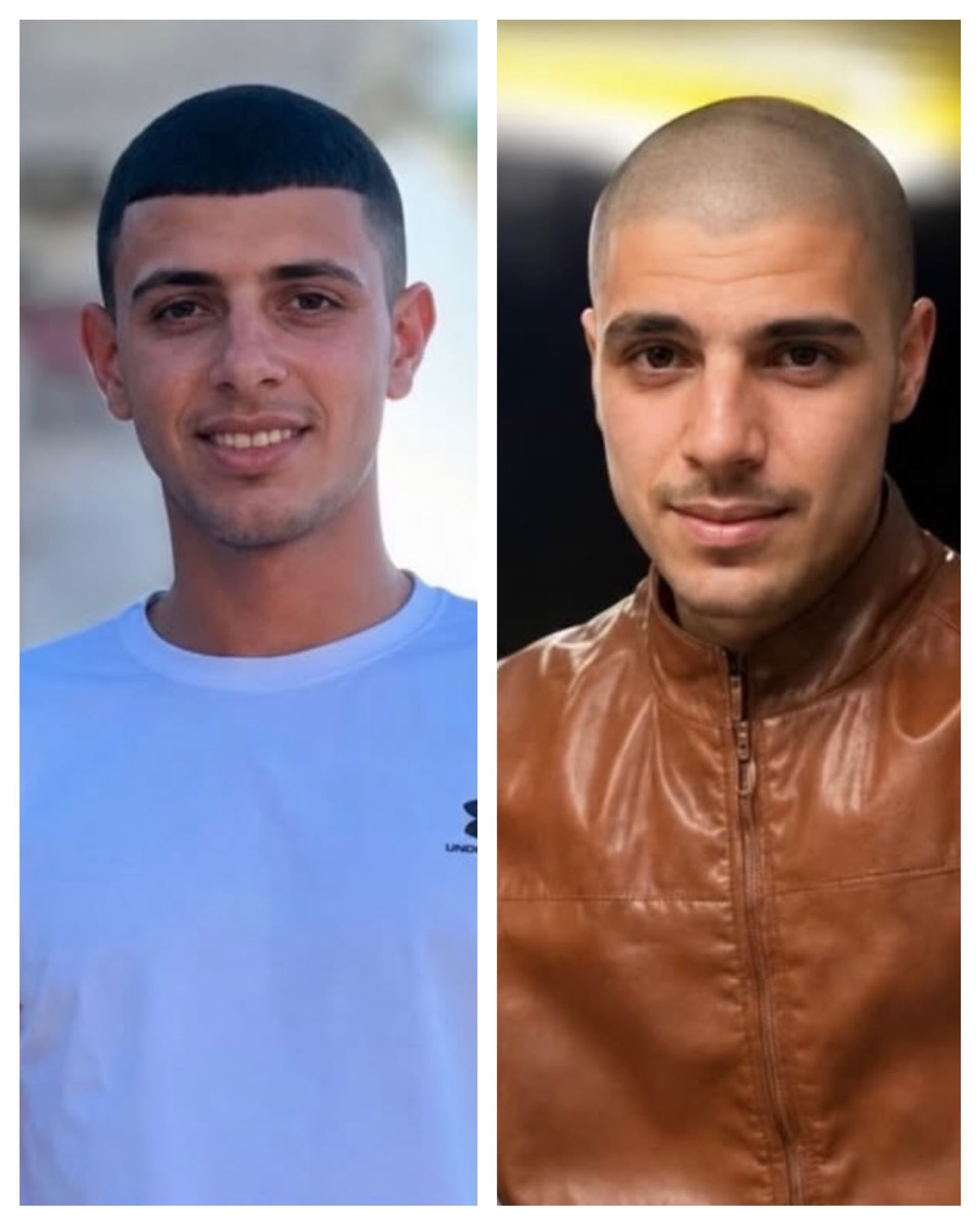
Summary execution of Mahmoud Hussein Abu Samra, 20, and Mohammad Samer Mleitat, 16, in Beit Furik
West Bank, Nablus, Beit Furik
23 July, 2026
At least 2 martyred
On July 23, 2026, Israeli settlers reportly set fire to Palestinian agricultural fields, in Beit Furik, east of Nablus. Residents who went out to extinguish the flames came under live fire and attacks from Israeli forces and settlers, wounding four, according to Felesteen Online. Two later died: Mahmoud Hussein Abu Samra, 20, and Mohammad Samer Mleitat, 16, per the Palestinian Health Ministry.
Two other citizens were transported to the hospital after sustaining live gunshot wounds during the attack.
The ARAB48 News website quoted an Israeli army statement which claimed that a fire broke out near the illegal “Itamar” colony, alleging that the two slain Palestinians had stabbed a colonizer, before another settler shot and killed them. Jerusalem Posts pulished that "According to Israeli security officials, two Palestinians were shot dead at the scene by an Israeli civilian after allegedly stabbing Cohen".
The Israeli Magen David Adom reported that its ambulance crews and then an helicopter transported a 51-year-old Israeli settler, Itamar Cohen, to the hospital after he suffered stab wounds to the upper part of his body. A 51-year-old Israeli, Itamar Cohen, was seriously wounded in a stabbing attack near the West Bank settlement of Elon Moreh on Thursday morning. The man was injured at the Derech Avraham Farm, allegly by two Palestinian attackers.
It's not clear weather the two Palestinians, including a minor, were defending themselves against an attack or were attacking the settlers. There is also two versions of the responsability of the initial arson according to Israeli media and authorities or to the Palestinian ones.
Later, Israeli Media published taht Defense Minister Israel Katz and Samaria Regional Council head Yossi Dagan spoke with Cohen, wishing him a speedy and full recovery and offering support to him and his family. Katz emphasized Israel's commitment to fighting terrorism, protecting its citizens, and strengthening settlement in the West Bank.
Youssef Hanani, the mayor of Beit Furik, told the WAFA News Agency that the Israeli aggression against the town was ongoing, amid a large-scale incursion by the army and settlers and residents rushed to extinguish the fires in their fields set by illegal settlers, when Israeli forces and colonizers opened live fire at them. After his death, the Israeli forces withheld their bodies.
Their killing occurred amid a widespread assault on the town, including the closure of its entrances and the deployment of soldiers and settlers in the Al-Sahl area, as well as the burning of vehicles and electricity poles and the forcing of families to evacuate their homes. The Israeli forces forced then a family to evacuate their home after attacking its owner near Hadath. Fires also damaged electricity poles, while settlers burned two vehicles. At the end of the day, dozens of residents remained unable to reach their homes after the Beit Furik military checkpoint was closed, while some workers are also unable to leave the town.
This incident occurred against a backdrop of settler violence since October 2023, including several pogroms and intentional arson attacks targeting Palestinian properties and crops in Beit Furik, carried out by settlers from nearby Israeli outposts.
**Names of the martyrs:**
Mahmoud Hussein Abu Samra, 20,
Mohammad Samer Mohammad Mleitāt, 16
**A new pretext to avance the annexion of the West Bank:**
On July 23, 2026, the Finance Minister Bezalel Smotrich ordered officials to accelerate the planned establishment of the Shalem settlement in Samaria following "a stabbing near Derech Avraham Farm". He also ordered the Civil Administration to map Palestinian structures he described as illegal and advance demolition/enforcement proceedings against them. Shalem is planned between Elon Moreh, Beit Furik and Beit Dajan, near Derech Avraham Farm that is currently an Israeli settlement outpost; the plan would transform it into a formally recognized settlement. Shalem is presented as strategic Israeli presence east of Nablus, creating territorial continuity between existing Israeli settlement points, and increasing control over roads and open areas. Critics argue the settlement would further fragment Palestinian territorial continuity between nearby villages and that the Israeli government is using a specific security incident to accelerate a long-term settlement and land-control project, alongside measures targeting Palestinian construction.
Authorities were investigating whether the fire had been deliberately set to lure people to the area before the attack.
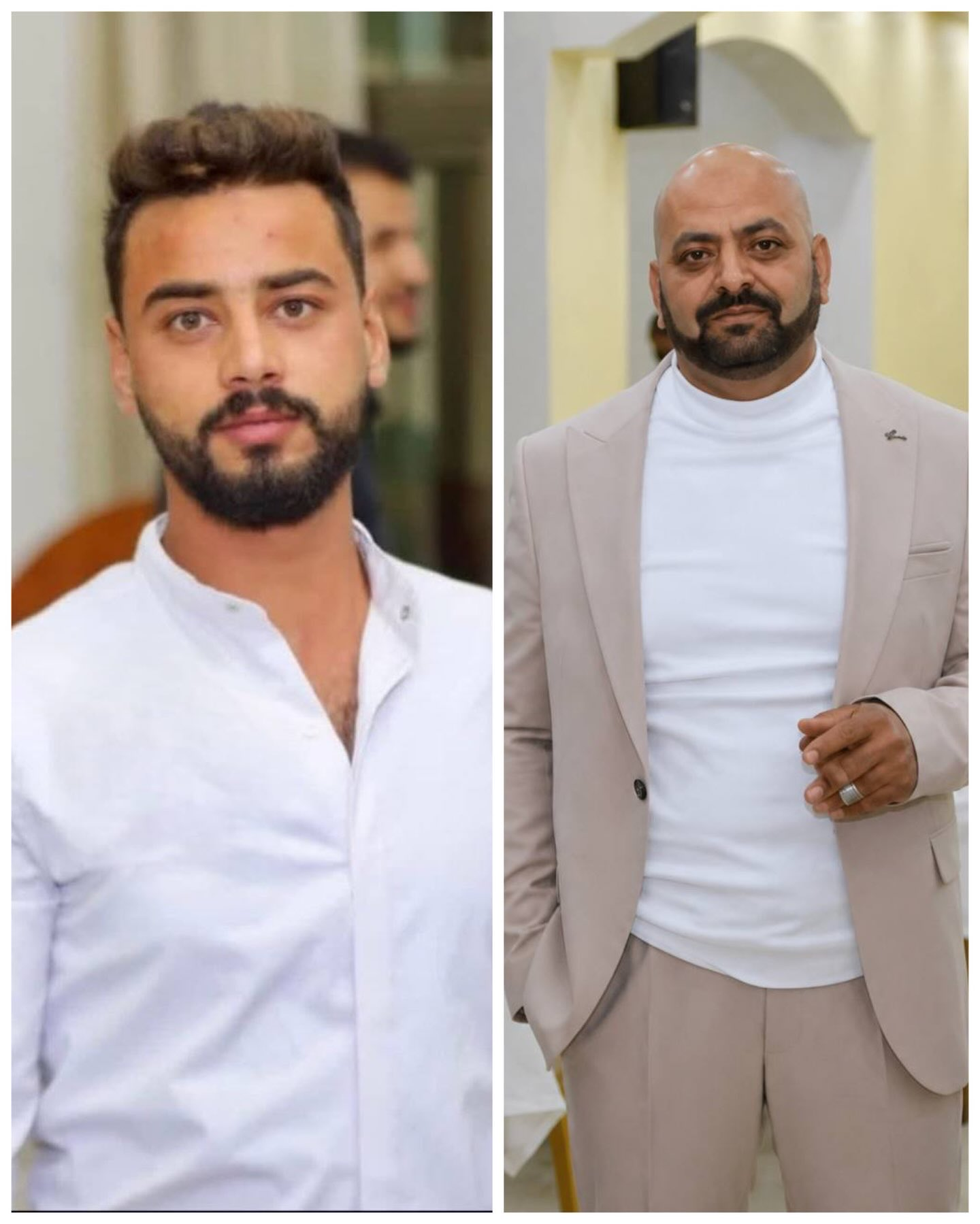
Summary execution of Ahmad Adel Rashid Abu Makho (26) and Awda Abdul Rahim Abu Salha(55) in Deir Jarir
West Bank, Ramallah, Deir Jarir
20 July, 2026
At least 2 martyred
On July 19, 2026, in the evening, Israeli settlers stormed the Palestinian town of Deir Jarir, northeast of Ramallah, stealing sheep and attacking the community under the protection of Israeli occupation forces, while the whole world was busy watching the world cup final.
As residents rushed to defend their town, Israeli soldiers fired live ammunition and tear gas at Palestinians instead of stopping the settlers, turning the assault into a deadly military-backed attack. Two Palestinian men were shot and killed by Israeli forces while confronting the settler attack.
Several other Palestinians were also injured as Israeli forces intensified their attacks with live fire and tear gas, providing cover for the settlers’ rampage.
The Palestinian Red Crescent Society said its crews treated a critically injured man who sustained a severe abdominal wound in the town. He was being transported to the hospital by a Silwad ambulance crew for treatment while the Israeli forces opened fire at the ambulance transporting him.
**The full IDF response/spin:**
"Forces rushed to the area of the village of Deir Jarir following a report that Israeli citizens had entered the village to retrieve animals belonging to them. The forces entered the village to prevent friction and to extract the Israeli citizens. Afterward, the forces secured individual Israeli citizens searching for the animals based on identifying marks indicating they belonged to them. A violent riot developed in the area, during which terrorists began throwing stones and blocks at the forces. As a result, two members of the security forces were injured and received medical treatment at the scene. The forces responded with gunfire to remove the threat, and hits were identified."
**Names of the martyrs:**
Ahmad Adel Rashid Abu Makho (26)
Awda Abdul Rahim Abu Salha(55)
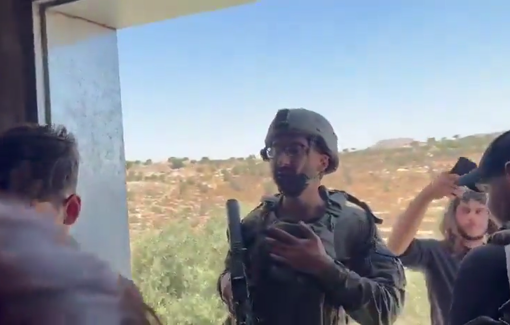
Settlers and soldiers attacks in Jurish
West Bank, Nablus, Jurish
17 July, 2026
**November 3, 2025:**
In the early dawn hours, Israeli settler militias attacked the outskirts of the Palestinian village of Jurish, south of Nablus, setting a vehicle on fire and spray-painting hateful, anti-Arab graffiti on walls.
**July 17, 2026:**
Testimony of Roy Sharon (Israeli journalist fro Khann)
There are incidents of this kind every day. Here is one example from this morning, in the Palestinian village of Jurish in the Nablus area: outpost activists attempt to forcibly break into a house in Area B. An IDF force arrives, does not arrest any of the attackers, issues a closed military zone order, and detains several Palestinians who refuse to evacuate (from within a Palestinian village). What is this called in the “deterred” Judea and Samaria Division: “gathering in the space”
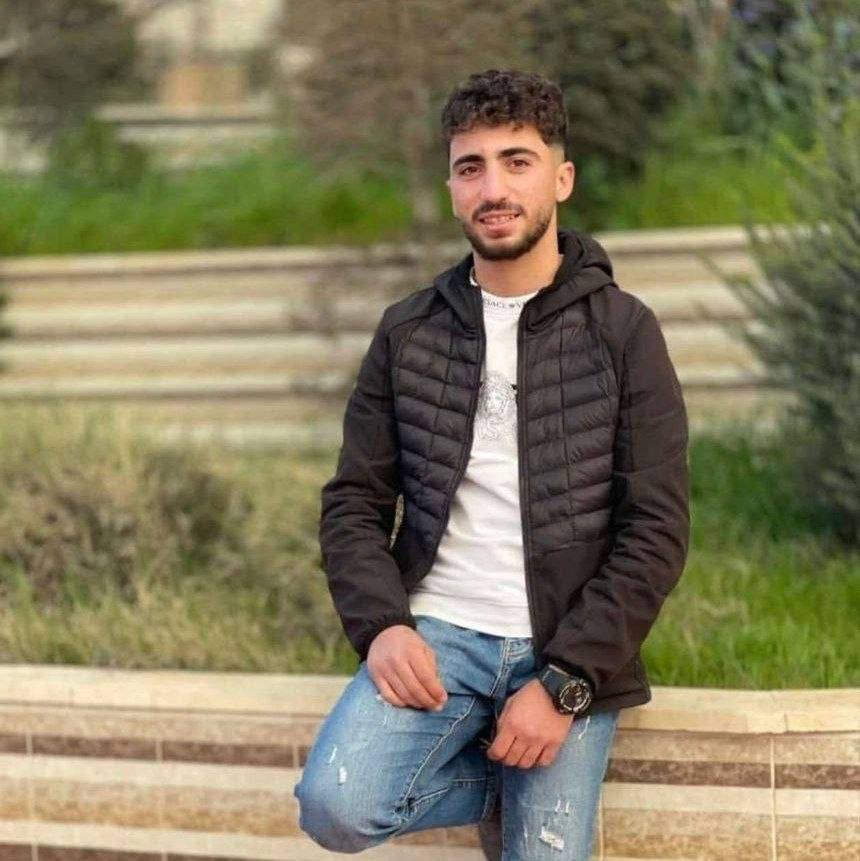
Assassination of Fadi Hamdallah Al-Naasan, 17 y/o, by Israeli soldier gunfire
West Bank, Ramallah, Al-Mughayyir
11 Jul, 2026 - 18 Jul, 2026
At least 1 martyred
On July 18, 2026, a Palestinian teenager, Fadi Hamdallah Al-Naasan, a player on the national youth football team, died at Hospital in Ramallah, several days after being wounded during an attack by Israeli soldiers in al-Mughayyir, in the Ramallah and Al-Bireh district, in the occupied West Bank.
**Chronology:**
On July 11, at 09:00, a group of settlers entered the eastern outskirts of the village of Al-Mughayir, and attempted to attack the house of Muhammad Hamid Abu Alia. Then, the Israeli forces intervened and fired live bullets, rubber-coated metal bullets, and stun grenades towards the Palestinian citizens while they were trying to confront the settlers, which It resulted in the injury of 3 citizens, among them, Fadi Hamdallah Al-Naasan, 17 years old. Fadi al-Naasan was shot in the thigh with live ammunition. "He loved football. When the settlers attacked, he heard the screams of girls and women (...) he went there, and he was killed," his father, Hamdallah Al-Nassan. Other residents were injured by rubber-coated metal bullets. A 10-year-old child, Raed Odeh Abu Alia, was also struck in the head by a stun grenade.
At 17:30, the same day (July 11) a group of settlers entered again the eastern outskirts of the village of Al-Mughayir and attempted to storm the house of the same citizen.
On a previous raid, on June 9, 3 other member of this family were wounded by Israeli live bullets: Khaldoun Abu Alia, Ismail Abu Alia, and Zaal Muhammad Fayez Abu Alia
Fadi Hamdallah Al-Nassan, 17, who played for the Al-Mughayyir club, died of his injuries on July 18, Saturday morning, according to the Palestinian Football Association, and was buried that afternoon in his village by a large crowd. Dozens of people dressed in black accompanied the young man's body from Palestine Hospital in Ramallah to his village. The association accused the Israeli army of shooting the teenager during a settler attack on the village, saying he had been "hit in the thigh by an explosive bullet" and had undergone an amputation before later dying from his injuries.
Fadi Al-Nassan, was the cousin of Aws Hamdi Al-Nassan, the 14-year-old killed when a settler shot up his school in April. Fadi was the first person to run toward Aws after he was shot in the head
Israeli forces sealed off the entrance to the village of Al-Mughayyir, northeast of Ramallah, on Saturday, ahead of the funeral procession for the slain Palestinian Fadi Naasan. They closed the western entrance to the village in both directions, preventing residents from entering or leaving. The western road is currently the only entrance to the village, while the eastern entrance has remained closed for the past four years. Israeli forces further fired a barrage of tear gas canisters toward the Al-Mughayyir Boys' School, causing a fire in the schoolyard.
Asked by Agence France-Presse (AFP) for comment, the Israeli military did not immediately respond.